The global economy is entering a more uncertain phase, according to a closely watched report released in March by the World Trade Organization (WTO), which warns that the forces shaping trade today are no longer purely economic.
After a stronger-than-expected rebound in 2025, global trade is slowing. But the deceleration, the report suggests, is not simply part of a normal cycle. It reflects something deeper: a world in which geopolitics and technology are increasingly pulling the global economy in different directions.
On one side is war. On the other is artificial intelligence.
Together, they are redefining how countries trade, invest and compete.
A Sudden Loss of Momentum
Last year, global trade appeared to regain its footing. The exchange of goods and services grew faster than the overall economy, buoyed by resilient demand and a surge in investment tied to new technologies.
That momentum is now fading.
The WTO expects trade growth to slow markedly in 2026, with only a modest recovery on the horizon. The cooling is broad-based, affecting both goods and services, and comes at a moment when policymakers had hoped for greater stability.
The shift underscores how quickly the outlook has changed.
What had been a story of recovery is becoming one of fragility.
War’s Expanding Economic Reach
The most immediate source of disruption is the conflict in the Middle East, which has begun to ripple through the global economy in ways that extend far beyond the region.
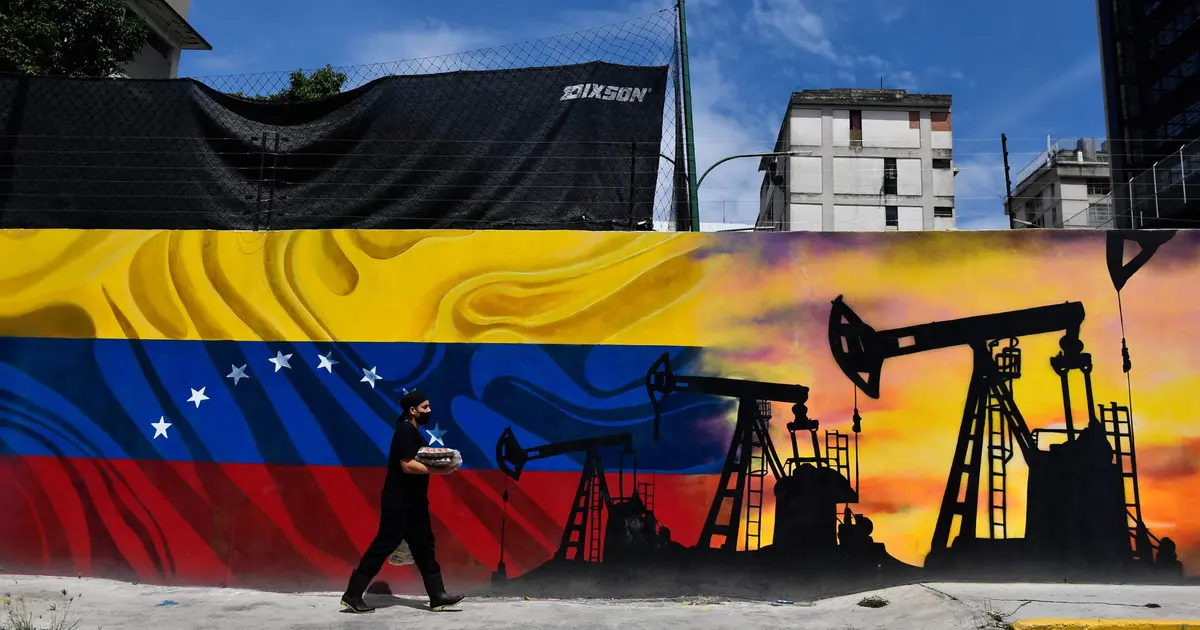
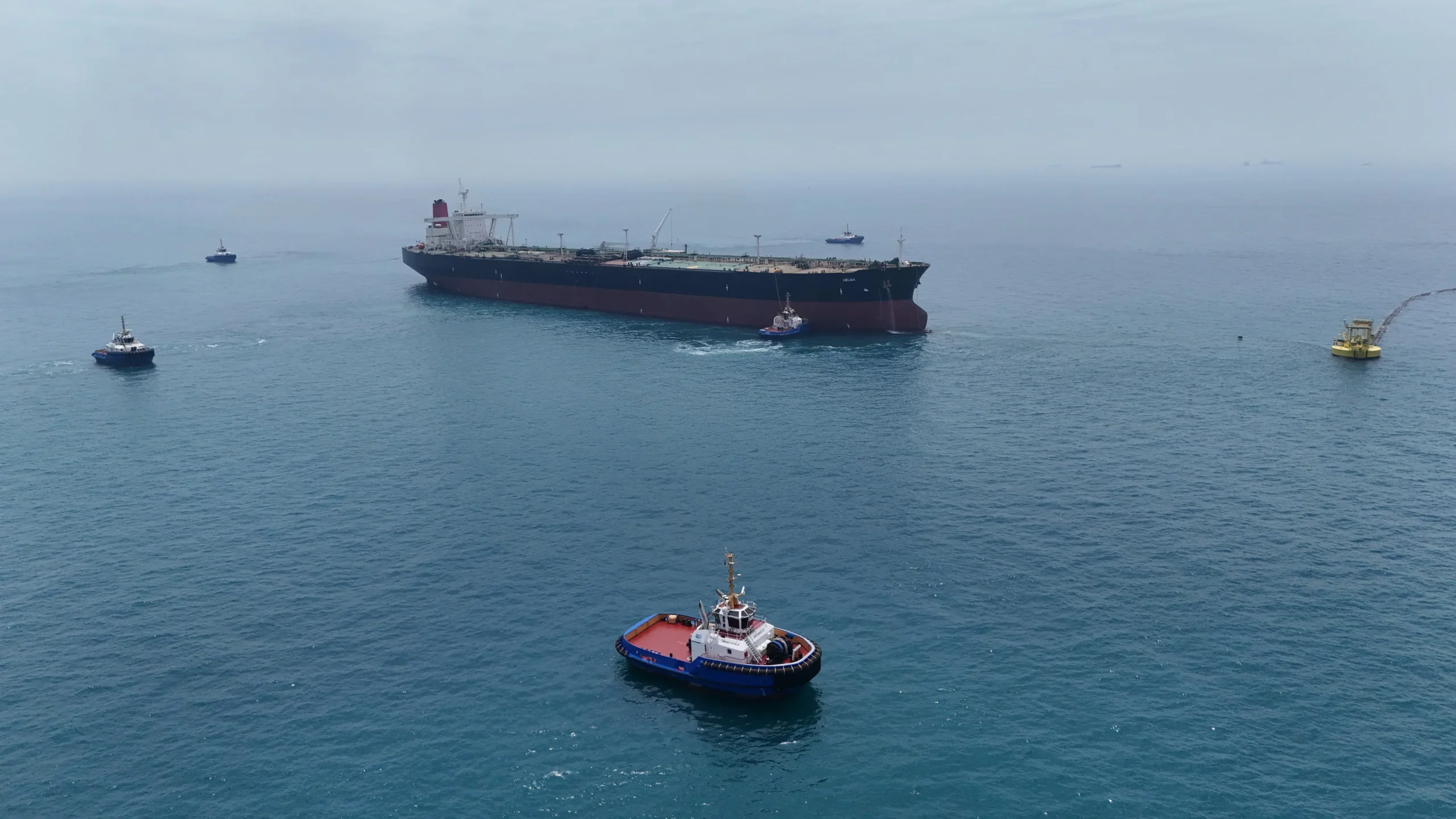
Energy markets have tightened. Shipping routes have been disrupted. The cost of moving goods has risen.
But the effects do not stop there.
Fertilizer exports, heavily concentrated in the Gulf, are also under pressure, raising concerns about agricultural production and food prices. Airlines have cut flights. Shipping companies are rerouting vessels. Insurance costs are climbing.
The result is a steady accumulation of friction across the global trading system.
If the conflict persists, economists warn, the consequences could deepen. Higher energy prices could slow growth in importing countries, dampen demand and further weaken trade.
Even a temporary disruption carries risks.
Trade, after all, depends not just on supply and demand, but on confidence. And confidence is becoming harder to sustain.
The Counterforce of Technology
At the same time, a very different force is pushing in the opposite direction.
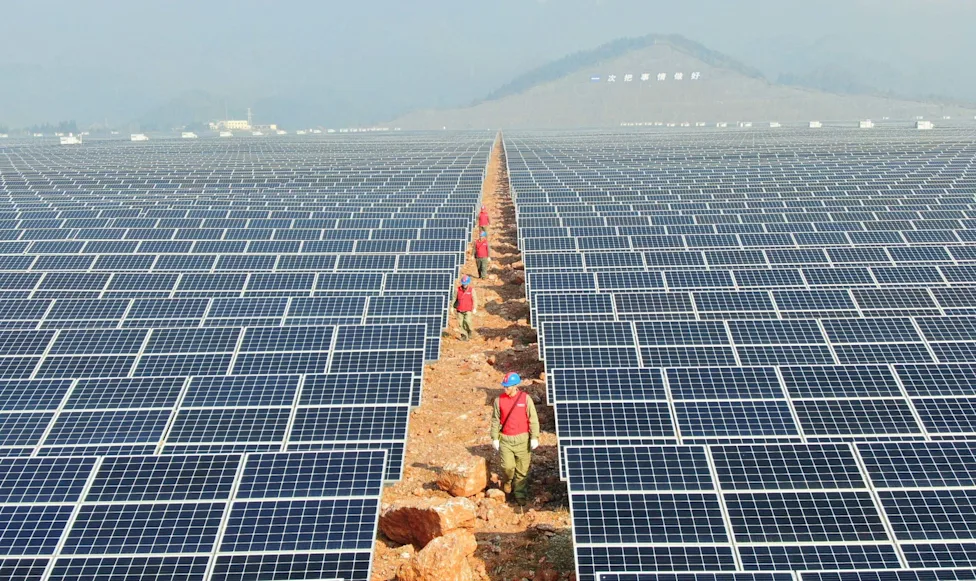
Investment in artificial intelligence is accelerating, reshaping industries and driving new patterns of trade. Demand for advanced chips, data infrastructure and digital services has surged, creating a powerful tailwind for certain sectors of the global economy.
In some regions, AI-related investment has become the dominant driver of growth.
It is also unusually global in nature. The components that power AI systems are produced across borders, assembled through complex supply chains and deployed worldwide. As a result, the expansion of AI is not only boosting output but also increasing the volume of trade itself.
For now, it is helping to offset some of the damage caused by geopolitical instability.
But whether it can continue to do so remains an open question.
A Changing Map of Trade
The geography of trade is shifting as well.
Asian economies continue to lead global trade growth, supported by strong exports and their central role in technology supply chains. At the same time, companies are looking beyond traditional markets, redirecting flows toward faster-growing regions in Africa and South America.
Beneath these shifts lies a more fundamental change.
The rules governing trade are becoming less uniform. Countries are increasingly relying on bilateral and regional arrangements, while policy uncertainty remains elevated. The result is a more fragmented system, in which the assumptions that once underpinned globalization are beginning to erode.
Trade is no longer just about efficiency. It is also about security, resilience and strategic alignment.
A More Uncertain Future
For policymakers, the challenge is growing more complex.
The question is no longer simply how to accelerate growth, but how to manage a system in which shocks can emerge from multiple directions at once. Energy markets, supply chains, financial conditions and geopolitical tensions are now deeply intertwined.
The WTO’s message is not that global trade is collapsing. It is that it is changing.
The balance that sustained globalization for decades is shifting, replaced by a more fragile equilibrium shaped by competing forces.
Whether that system holds will depend on decisions being made now, often under conditions of uncertainty.
What is clear is that the world economy is entering a new phase, one in which the lines between economics, politics and technology are becoming increasingly difficult to draw.
RELATED STORIES:
- Private Equity’s Role in Delivering the SDGs
- 2025 is a Pivotal Year for the World’s Oceans
- Global Applications for 2024 Young Scientist SDGs Award are Officially Open!
- Global CEOs Uncertain About Meeting 2030 Net Zero Targets, KPMG Survey Reveals
- Plastics Treaty Talks Collapse in Geneva — But Hope for a Real Solution Survives
 Follow SDG News on LinkedIn