The global economy has been thrown into fresh uncertainty following an urgent warning from the International Monetary Fund (IMF): the escalating war involving Iran is no longer just a geopolitical crisis—it is a direct and immediate threat to global growth.
In a sharply revised outlook released today, the IMF signaled that what had been a fragile but promising economic recovery is now at risk of unraveling.
Growth Downgraded as Shockwaves Spread
The IMF now expects global growth to slow to roughly 3.1% in 2026, a notable downgrade driven largely by the economic fallout from the conflict. Markets that had been stabilizing amid easing inflation and strong investment—particularly in technology—are now facing renewed volatility.
At the center of the disruption is a familiar but dangerous dynamic: rising energy prices colliding with slowing economic activity. Oil prices have surged past $100 per barrel, reigniting inflation just as central banks were beginning to regain control.
The result is a growing risk of stagflation—a scenario where economies stagnate while prices continue to rise—placing policymakers in an increasingly difficult position.
A Critical Chokepoint Under Threat
Much of the global anxiety is focused on the Strait of Hormuz, one of the most vital energy corridors in the world.
Any sustained disruption to this narrow passage—through which a significant share of global oil flows—has immediate consequences. The current escalation has already triggered supply concerns, sending shockwaves through energy markets and global supply chains.
From transportation and manufacturing to food production, the ripple effects are being felt across industries, driving up costs and amplifying economic uncertainty worldwide.
Uneven Impact, Global Risk
While the crisis is global, its impact is deeply uneven.
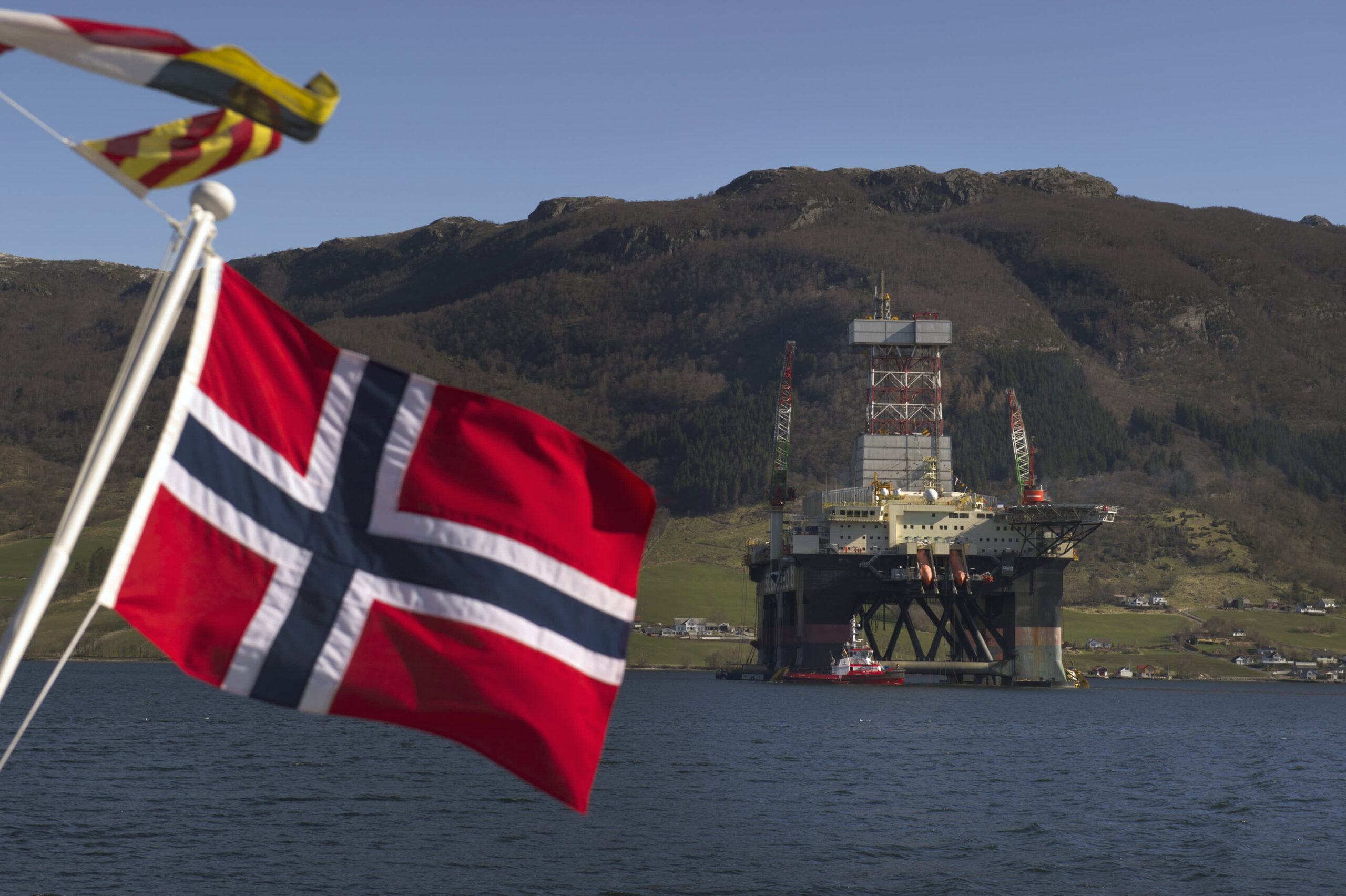
Energy-importing regions—particularly across Europe—are facing immediate pressure as higher fuel costs feed into inflation and constrain growth. Emerging markets are even more exposed, with rising food and energy prices threatening economic stability in import-dependent nations.
Some energy-producing economies may see short-term gains from higher prices, but the broader instability is expected to weigh on global demand and investment.
A Turning Point for the Global Economy
The IMF’s warning goes beyond short-term disruption. Even in the event of a swift de-escalation, the institution cautions that the economic damage may leave a lasting imprint.
Supply chains are already under strain. Investor confidence is weakening. And the risk of deeper geopolitical fragmentation is growing.
More severe scenarios—should the conflict drag on—could push global growth closer to 2%, while inflation accelerates further, forcing central banks into difficult trade-offs between controlling prices and sustaining economic activity.
A New Era of Economic Risk
This moment marks more than a temporary shock—it signals a shift in how the global economy operates.
The conflict has exposed structural vulnerabilities: heavy dependence on critical energy routes, fragile supply chains, and uneven resilience across nations. It has also reinforced a new reality for decision-makers: economic stability can no longer be separated from geopolitical risk.
As global leaders assess the path forward, one conclusion is becoming unavoidable—growth in the years ahead will be shaped as much by diplomacy and security as by markets and policy.
RELATED STORIES:
- All Roads Lead to Inflation: IMF Warns of a More Fragile Global Economy
- Global Economy at a Tipping Point as IMF Warns: “Resilience Is Running Out”
- Exclusive to Insiders – Global Economy at a Tipping Point as IMF Warns: “Resilience Is Running Out”
- Local Voices, Global Climate Chain: A Deloitte Report
- 2024 EY Report Highlights Slow Progress in Corporate Climate Action Despite Disclosure Improvements
 Follow SDG News on LinkedIn