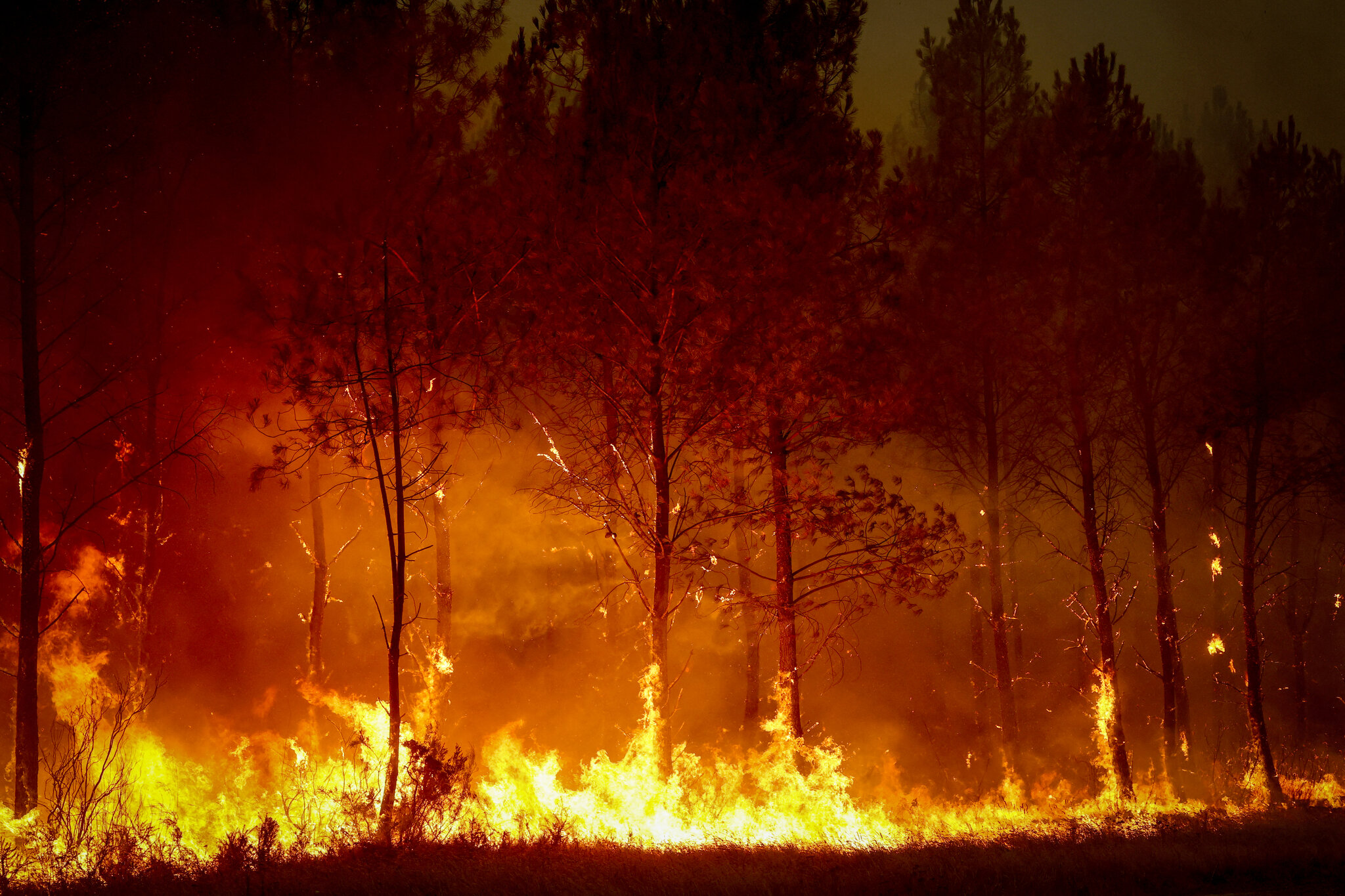
COP30 concluded in Belem with a sense of deflation that spread quickly from negotiation rooms to civil society halls. What was expected to be a pivotal moment for global climate cooperation became a stark reminder of how deeply fractured the landscape has become. Below is a deeper look at the key dynamics that defined this summit and what they signal about the future of multilateral climate action.
A Summit Overshadowed by Low Ambition
From the outset, COP30 carried high expectations. Many believed the gathering in the heart of the Amazon would galvanize urgent action and deliver a roadmap for collective progress. Instead, the final text offered little in the way of ambition.
Negotiators avoided major commitments and limited the scope of their conclusions. Missing entirely was a clear effort to push countries toward significantly stronger national plans. The world arrived at Belem looking for leadership. It left with a document that reflects hesitation and caution more than determination or clarity.
The sense of missed opportunity was shared widely among delegates who felt that the summit underestimated the scale of the crisis it was meant to address. Even countries that typically champion stronger action struggled to shift the mood toward boldness.
The Silent Absence of Fossil Fuel Language
One of the most glaring omissions in the final outcome was the lack of any reference to fossil fuels. This absence resonated across press rooms and civil society gatherings because it revealed an unwillingness to confront the central driver of the climate emergency.
Calls for a phase out or even a phase down of fossil fuels never gained traction. The negotiations skirted around the issue entirely, reinforcing the sense that several governments are unwilling to enter terrain that could spark political or economic pushback at home.
The silence around fossil fuels did more than weaken the text. It raised concerns that the global process is losing credibility by failing to address its most urgent challenge. For many, this was the moment the world expected clarity. Instead, it received avoidance.
Political Winds Without a Major Power in the Room
The dynamics at COP30 were shaped profoundly by the absence of the United States. While some believed the summit might be more productive without the complications often created by Washington, the reality proved far more complex.
Even without the US present, other political pressures filled the vacuum. Key regions arrived divided or cautious. Some countries hesitated to take strong positions without knowing how future geopolitical shifts might unfold. Others were emboldened by the lack of a major counterweight and used the moment to soften language or stall momentum.
The result was a process defined by fragmentation. Nations that traditionally drive ambition lacked the leverage they needed. Countries seeking slower progress found more space to maneuver. The world witnessed a global climate negotiation unable to align itself, even without the political shadow of the United States shaping the room.
Institutions Facing Budget Cuts and a Crisis of Relevance
Behind the scenes, a quieter but equally significant storyline shaped COP30. Many of the institutions responsible for supporting global action are facing deep budget cuts. Their capacity to implement programs or support countries is shrinking at the exact moment the world requires more coordination and technical expertise.
This financial strain exposed a growing concern: whether institutions created decades ago are still equipped to respond to today’s global crises. As conflicts escalate, disasters intensify, and political volatility spreads, the multilateral architecture is showing signs of stress.
Delegates quietly acknowledged that the structure of global climate cooperation is beginning to feel outdated. What emerged in Belem was a sense that the world needs something stronger, more unified, and more responsive. Yet the summit did not produce a plan to evolve or strengthen the system.
A Global Warning, Not a Turning Point
As delegates flew home from Belem, conversations converged around one stark conclusion. COP30 was not a step forward. It was a warning.
The gap between the actions the world needs and the politics it can produce has rarely been wider. The summit highlighted the fragility of global cooperation, the influence of domestic politics on international ambition, and the limitations of institutions that have not adapted to modern realities.
Many leaders used their final speeches to insist that the world is not out of time. But the collective outcome suggested otherwise. Without transformative shifts in political will, institutional reform, and global solidarity, future summits risk delivering more of what COP30 produced: statements of concern rather than commitments to change.
Belem was meant to energize the world. Instead, it revealed how much work remains to rebuild trust, reinvigorate cooperation, and restore the sense of shared purpose that multilateral climate action depends on.
RELATED STORIES:
- Live at COP30: Panama’s Climate Envoy Juan Carlos Monterrey Says COP30 Must Deliver an End to Deforestation
- BREAKING NEWS – FIRE ERUPTS INSIDE COP30 VENUE, DELEGATES EVACUATED
- Brazil Stands Firm on Belém for COP30, Despite Fears Over Soaring Costs and Scarce Lodging
- When Hotel Prices Threaten a Climate Summit: The Hidden Barrier to COP30
- Live at COP30: Palau Says Small Island States Are ‘Already Living’ the Climate Emergency
 Follow SDG News on LinkedIn