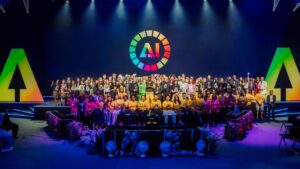
Panama Nature Summit 2025 opened this week alongside the UNCCD’s CRIC23 negotiations, bringing together leaders from government, science, finance and civil society as the global community confronts accelerating drought, biodiversity loss and shrinking climate finance. The summit marks the culmination of a year in which Panama became the only country to host high-level convenings linked to all three Rio Conventions—UNFCCC, CBD and UNCCD—solidifying its position as a regional and global hub for integrated environmental governance.
A Year of Convergence for Global Environmental Governance
The Nature Summit’s timing underscores a growing international push to break down long-standing silos between climate, biodiversity and land-management frameworks. Countries face compounding pressures: rising adaptation needs, deteriorating ecosystems, and constrained public budgets. By convening diverse actors during CRIC23, the summit functions as a bridge between global negotiations and the practical tools needed to implement commitments on the ground. For governments and multilateral institutions, the event provides a model for unifying policy approaches that traditionally operate in parallel. For investors and development partners, it highlights new opportunities to advance nature-based economies through coordinated financing and science-driven planning.
Convened by Panama’s Ministry of Environment, Global Resilience Partners and Pro Eco Azuero, the summit brings together business leaders, international organizations, carbon market specialists and scientists to examine solutions that integrate land restoration, biodiversity protection and climate resilience. Sessions explore regenerative land management, the expansion of green corridors, sustainable maritime strategies and evolving carbon market approaches.
“Panama is organizing this Summit with a focus on solutions that unite science, technology and social participation, and that allow us to recover its lands, protect its biodiversity and mobilize resources to support a new nature-based economy.”
Juan Carlos Navarro, Minister of the Environment, Panama
The event also completes the Nature Summit Series trilogy that unfolded across 2025: the first linked to UNFCCC’s Global Climate Week in May, the second aligned with CBD intersessional talks in October, and the final summit now running in parallel with UNCCD’s CRIC23. Across these convenings, the focus has remained consistent—breaking down institutional barriers, elevating scalable solutions and strengthening partnerships across sectors and conventions.
Where Science, Policy and Capital Meet
For national governments, the summit reinforces the need to connect scientific innovation, land-use planning, community leadership and carbon markets into unified policy frameworks. Panama’s emphasis on integrating technology and social participation into environmental restoration provides a governance model that other countries may draw upon as they refine national adaptation and biodiversity strategies.
For multilateral development banks, the summit signals rising demand for financing mechanisms that support green corridors, coastal protection and regenerative land use. The presence of carbon market specialists underscores growing interest in high-integrity market instruments capable of supporting restoration and resilience. As climate finance becomes harder to mobilize, the integrated strategies discussed at the summit highlight where de-risking and blended finance structures may be most effective.
For the UN system, the summit provides evidence of how non-negotiating spaces can advance implementation. While CRIC23 negotiators debate global policy frameworks under the Desertification Convention, the summit convenes practitioners and financial actors capable of operationalizing those commitments.
Panama’s Expanding Role in the Rio System
Panama’s role as host of all three Nature Summits in 2025 strengthens its diplomatic influence across the Rio Conventions and positions it as a leader in environmental collaboration in Latin America and beyond. The Nature Pledge has emerged as an important framing tool for countries seeking efficiency and alignment across climate, biodiversity and land agendas, and the summit’s cross-sector discussions help translate that ambition into practice.
The convergence of the summit and CRIC23 occurs against a global backdrop of intensifying drought, ecosystem decline and economic strain. As countries search for mechanisms to do more with fewer resources, the Nature Summit illustrates the growing appeal of integrated approaches that link scientific knowledge, community stewardship and financial innovation.
What Comes Next
As CRIC23 negotiations continue, delegates at the Nature Summit will assess investable nature-based solutions, coordinate joint initiatives and explore how partnerships can accelerate land restoration and resilience. The outcomes of the summit may inform implementation discussions within UNCCD processes and contribute to wider alignment efforts across the Rio system. With momentum behind integrated governance increasing, governments and financial institutions are expected to deepen their focus on cross-sector strategies that strengthen environmental outcomes while supporting long-term development goals.
RELATED STORIES:
 Follow SDG News on LinkedIn