Addis Ababa — As the 39th Ordinary Session of the Assembly of Heads of State and Government of the African Union concluded this weekend in Addis Ababa, the mood was measured, strategic, and quietly consequential. Africa’s leaders left with a shared understanding that the continent is entering a decisive phase, not only in its development, but in how it asserts itself amid a rapidly reordering global system.
A Continent Reading the Moment
The summit unfolded as geopolitical gravity continues to shift. Economic power is dispersing, technology is reshaping state capacity, and traditional alliances are under strain. Against that backdrop, African leaders framed the continent not as a bystander to these changes, but as an actor increasingly determined to define its own terms of engagement.
There was broad acknowledgment that Africa’s demographic weight, natural capital, and strategic geography place it at the center of 21st-century competition. The question, leaders suggested, is whether the continent can convert those assets into coordinated influence.
Water, Climate, and the Foundations of Resilience
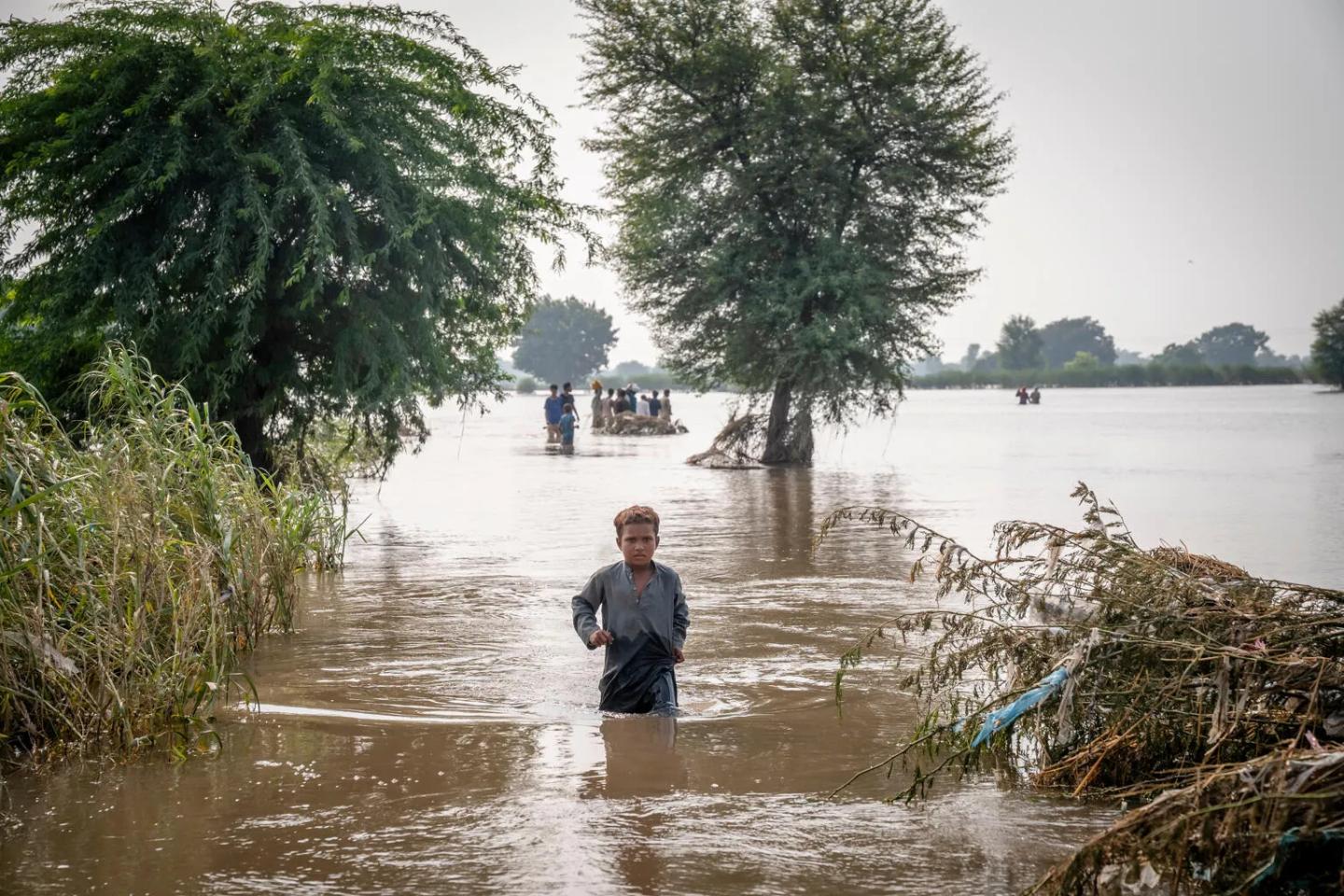
The formal theme of the summit centered on water security and sanitation, but the discussion extended far beyond infrastructure. Leaders cast water as a linchpin of resilience, touching health systems, food security, urbanization, and social stability. In a climate-constrained world, access to water was framed as both a development imperative and a strategic risk.
By elevating water and sanitation to the top of the continental agenda, the Union signaled a shift toward prioritizing systems that underpin long-term stability rather than short-term growth metrics.
Governance, Peace, and Institutional Credibility
Deliberations on peace and security reflected a similar realism. Heads of state reaffirmed opposition to unconstitutional changes of government while acknowledging that conflict drivers are increasingly transnational, shaped by climate stress, economic shocks, and global power rivalries.
Strengthening African-led peace and security mechanisms was framed as a matter of institutional credibility. In a world where external interventions are often contested, leaders emphasized the importance of African solutions backed by predictable financing and political unity.
Economic Integration as Strategic Leverage
Economic discussions returned repeatedly to the promise and urgency of continental integration. Progress under the African Continental Free Trade Area was positioned as central to Africa’s ability to compete in a world defined by industrial policy, regional blocs, and strategic supply chains.
Leaders argued that deeper intra-African trade and value-chain development are no longer optional ambitions. They are prerequisites for negotiating with global partners from a position of scale, rather than fragmentation.
Frontier Technologies and the Investment Question
Notably, this year’s summit placed new emphasis on frontier technologies and investment as drivers of sovereignty and competitiveness. Discussions highlighted digital infrastructure, artificial intelligence, advanced manufacturing, and energy technologies as areas where Africa must move quickly to avoid being locked into extractive or dependent roles.
Rather than viewing technology solely through a development lens, leaders framed it as a strategic domain requiring coordinated policy, patient capital, and public-private partnerships. Investment attraction, particularly from long-term institutional and sovereign sources, was discussed alongside the need for regulatory clarity and continental standards that can de-risk innovation at scale.
The message was clear: Africa intends to be a site of technology adoption, experimentation, and increasingly, origination.
Global Representation and a Rebalanced Order
Africa’s place in global governance featured prominently as well. Leaders reiterated calls for reform of the United Nations Security Council, arguing that current structures no longer reflect geopolitical realities. These demands were framed not as symbolic gestures, but as necessary corrections in a system struggling to maintain legitimacy.
Engagements with the G20 and other global forums were cited as evidence that Africa’s collective voice is gaining traction, even as the rules of multilateralism are rewritten in real time.
The Long View: Agenda 2063
Threaded throughout the summit was a return to Agenda 2063, the continent’s long-term blueprint for transformation. Leaders emphasized continuity, stressing that Africa’s rise will depend on disciplined execution across decades, not cycles of crisis response.
Youth employment, digital skills, industrial capacity, and climate-aligned growth were framed as mutually reinforcing pillars of that vision.
A Quiet Assertion of Agency
As the summit drew to a close, there was little sense of grand declaration. Instead, what emerged was a quieter but firmer assertion of agency. Africa, leaders suggested, is no longer content to react to global change. It is positioning itself to shape outcomes, leveraging unity, investment, and technology to secure its place in a new world order still taking form.
The 39th Assembly may be remembered less for headline announcements than for the clarity of its direction: a continent preparing to move from the margins to the negotiating table, on its own terms.
RELATED STORIES:
 Follow SDG News on LinkedIn