Cuba and the United States have quietly opened diplomatic talks amid a deepening energy and economic crisis on the island, marking a significant moment in one of the world’s longest-running geopolitical standoffs.
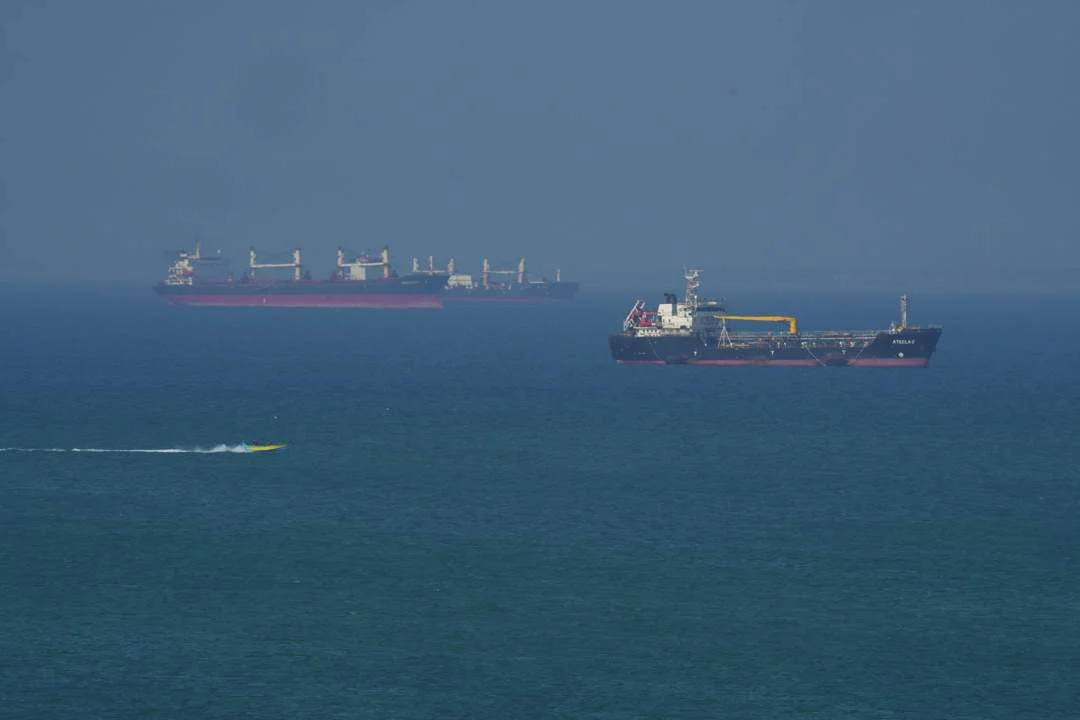
Cuban President Miguel Díaz-Canel confirmed that discussions with U.S. officials have taken place in recent weeks as Havana seeks relief from mounting economic pressure and widespread fuel shortages. The talks come as Cuba faces one of the most severe energy crises in decades following a U.S.-led oil blockade that has cut off petroleum shipments to the island for months.
The crisis stems from a chain reaction triggered earlier this year when the United States intervened in Venezuela and removed President Nicolás Maduro, disrupting one of Cuba’s primary oil supply lines. Venezuela had historically provided a substantial share of the island’s fuel imports. With Venezuelan shipments halted and Washington threatening tariffs on any country that supplies oil to Cuba, the Caribbean nation has struggled to secure alternative energy sources.
Energy Crisis Grips the Island
The consequences have been severe.
Cuba has experienced widespread blackouts across major cities, forcing disruptions to transportation, communications, education, and healthcare. Hospitals have delayed thousands of surgeries, while fuel shortages have limited the movement of goods and people across the island.
The crisis has placed the Cuban government under intense domestic pressure while raising concerns among international observers about humanitarian conditions and economic stability in the Caribbean.
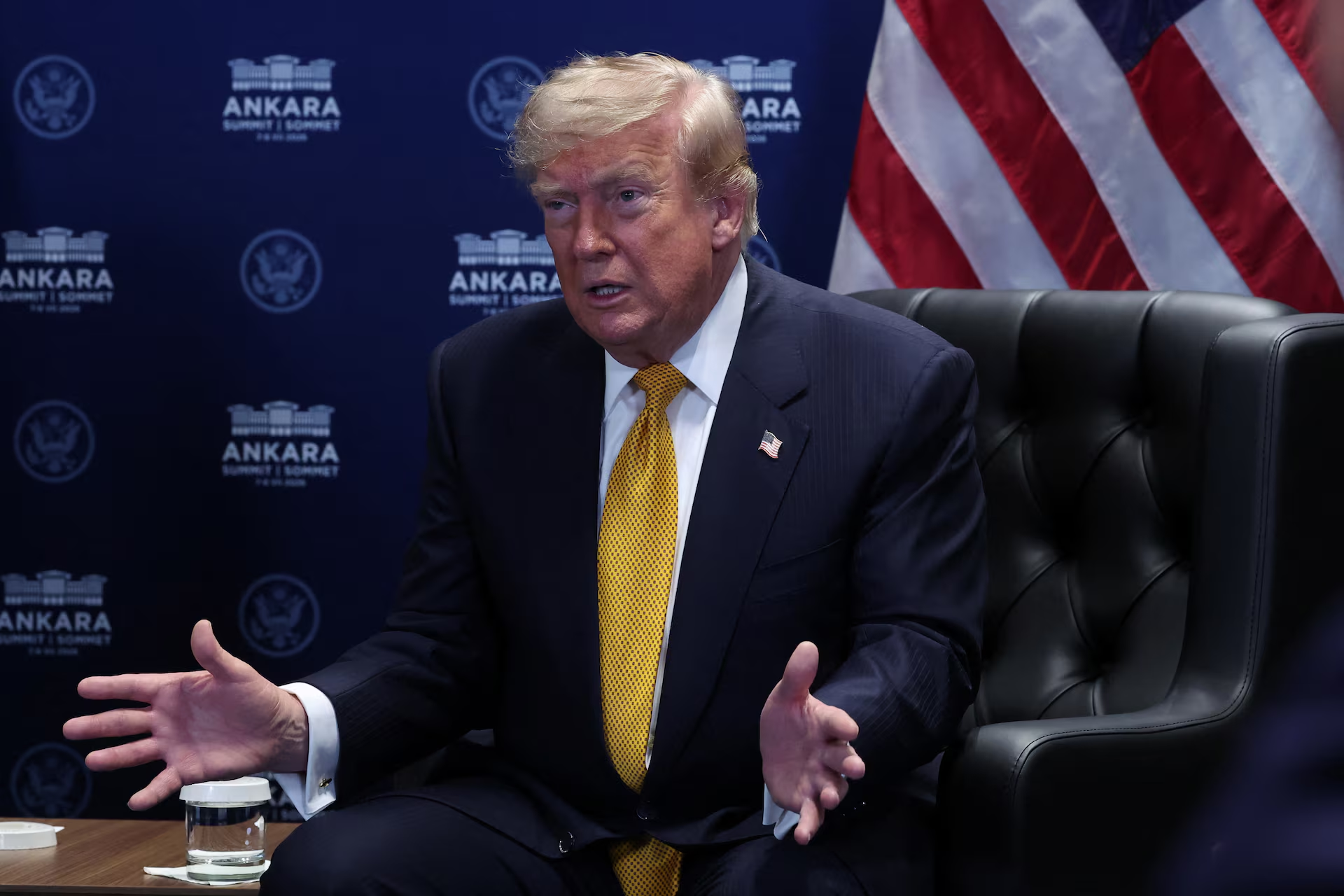
At the same time, U.S. President Donald Trump has framed the pressure campaign as an opportunity to force political change in Havana. Trump has suggested the island’s government is nearing collapse and has hinted that negotiations could lead to a major political shift, even floating the possibility of what he called a “friendly takeover.”
Diplomacy in a High-Risk Moment
Despite the sharp rhetoric, both sides now appear to be exploring whether dialogue could prevent further escalation.
Díaz-Canel has emphasized that any negotiations must respect Cuba’s sovereignty and political system, describing the talks as highly sensitive. Cuban officials say the discussions are focused on reducing tensions and identifying areas of cooperation that could stabilize the situation.
Behind the scenes, reports suggest that informal channels may have involved figures connected to Cuba’s political leadership, including relatives of former president Raúl Castro, as intermediaries between Washington and Havana.
Global Implications
The diplomatic maneuvering is unfolding against a broader geopolitical backdrop that has reshaped the Americas.
The collapse of Venezuela’s leadership, tightening U.S. sanctions across the region, and the global energy shocks associated with the widening Iran war have all heightened the strategic stakes surrounding Caribbean energy security.
Meanwhile, Cuba has been strengthening ties with other global powers. Its foreign minister recently consulted with counterparts in Russia and China as Havana seeks political support and economic partnerships amid the confrontation with Washington.
A Critical Test for the Region
Whether the talks produce tangible results remains uncertain.
For Cuba, the negotiations could offer a pathway out of a crippling energy shortage and economic emergency. For the United States, they present an opportunity to reshape political dynamics in the Western Hemisphere after decades of stalemate.
But the outcome could also determine whether the island stabilizes through diplomacy or faces a deeper humanitarian and political crisis.
For now, the opening of talks suggests that even at the height of pressure, both Washington and Havana recognize the risks of letting the crisis spiral further.
RELATED STORIES:
- Fuel Scarcity and Sanctions Push Cuba Toward Rooftop Solar
- US Government’s National Security Strategy, Decoded: The Signals Washington Is Sending the World
- Small Islands, Big Stakes: How the Pacific Islands Forum Has China and the U.S. on Island Time
- Global Family Offices Quietly Redefine Sustainable Finance in Asia Pacific
- Brazil Launches Three Weeks of COP30 Climate Events Across São Paulo, Rio, Belém
 Follow SDG News on LinkedIn