The world’s most important economic arteries are narrowing—and fast.
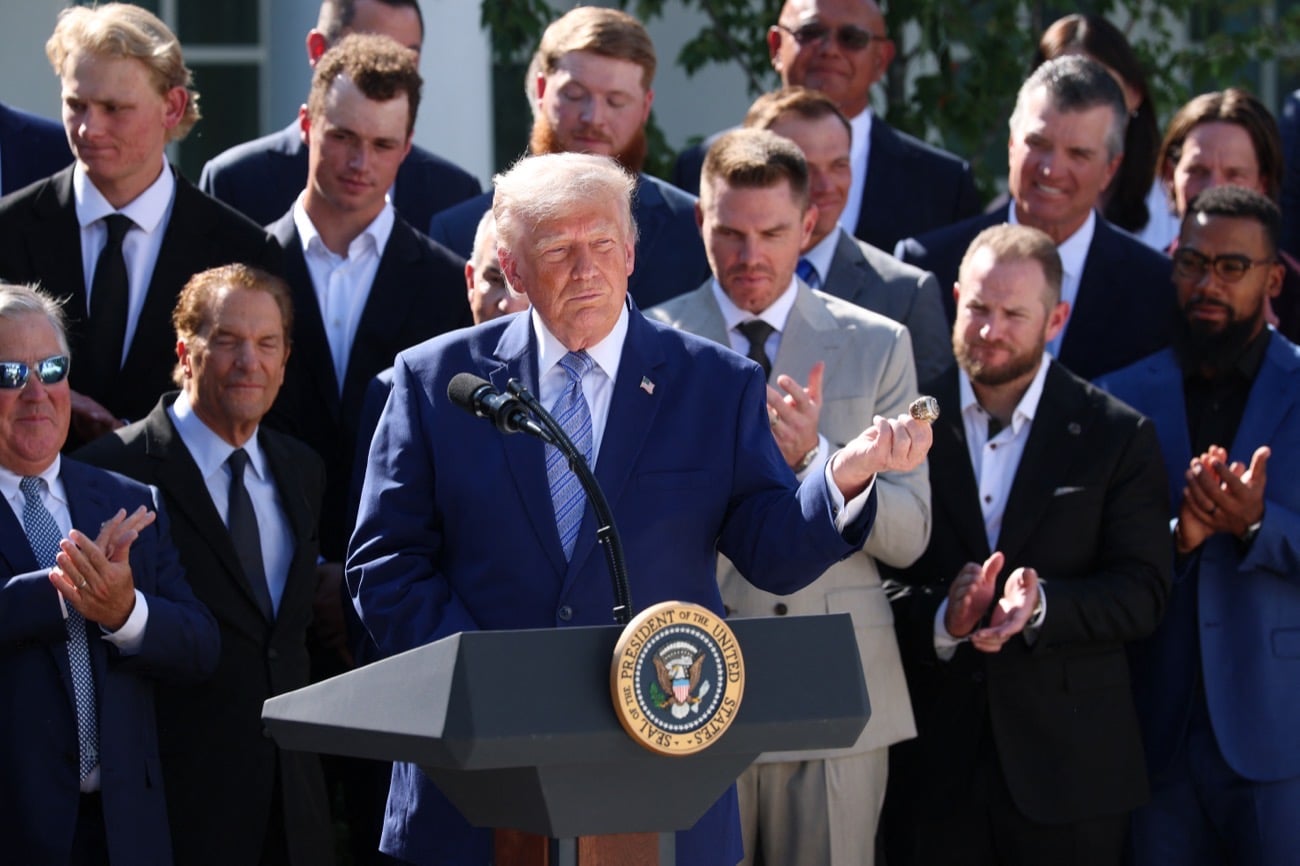
At the center is the escalating conflict between the United States and Iran, where President Donald Trump has embraced a strategy that goes far beyond conventional warfare. It is a strategy built on choke points, strategic geographic and economic bottlenecks that can determine the fate of global markets, alliances, and supply chains.
What is unfolding is not just a regional war. It is a structural shift in how power is exercised in the global economy.
The Return of Strategic Choke Points
For decades, globalization was defined by openness—free trade, interconnected supply chains, and the relatively seamless movement of goods. Today, that system is being replaced by something far more fragile.
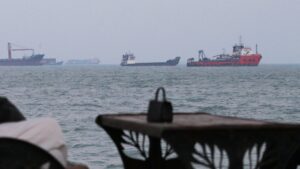
Nowhere is this clearer than the Strait of Hormuz, a narrow passage through which roughly a fifth of the world’s oil supply flows. Since the start of the 2026 Iran war, traffic through the strait has sharply declined, sending shockwaves through global energy markets.
The consequences have been immediate. Oil prices have surged, supply chains have tightened, and governments are scrambling to secure alternative routes. The vulnerability of a single passage has once again become a defining feature of global stability.
Trump’s Strategy: Pressure Through Disruption
The Trump administration’s approach reflects a deliberate shift toward leveraging these vulnerabilities.
Rather than relying solely on sanctions or diplomacy, the United States has combined military force with economic pressure, targeting infrastructure, energy flows, and maritime access. The implicit goal is to force geopolitical outcomes by constricting the physical pathways that sustain economies.
But this strategy cuts both ways.
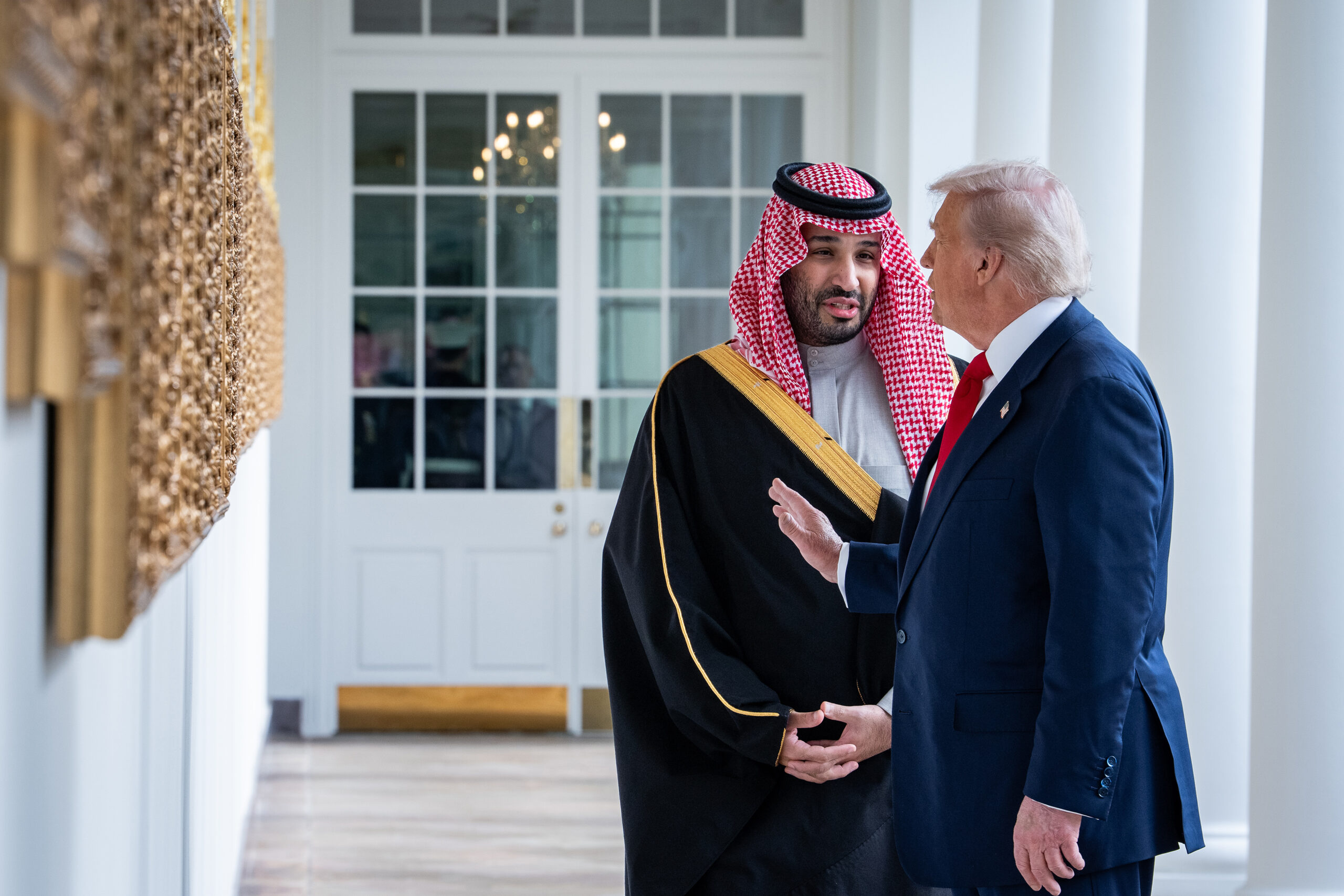
Iran has responded asymmetrically, using its geographic advantage to threaten or restrict passage through Hormuz, effectively weaponizing the global energy system. The result is a feedback loop of escalation, where each side seeks leverage not just on the battlefield, but across global supply chains.
China Enters the Equation
While the conflict is centered in the Middle East, its ripple effects extend far beyond.
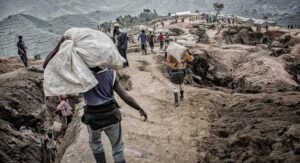
China, heavily dependent on energy imports flowing through the Gulf, now finds itself directly exposed to disruptions. At the same time, Beijing is increasingly positioned to exploit alternative choke points, from rare earth supply chains to critical manufacturing hubs, creating a broader contest over economic control.
This convergence signals a deeper shift. Choke points are no longer just geographic. They are systemic.
Energy, shipping lanes, semiconductors, minerals, and data infrastructure are all becoming pressure points in a new era of strategic competition.
A Fragile Global System
The immediate economic consequences are already visible.
Markets have reacted sharply to uncertainty, with equities falling and energy prices climbing amid fears of prolonged disruption. Allied nations, particularly in Europe and Asia, are confronting a new reality: reliance on global systems that can no longer be taken for granted.
Even within the United States, the strategy carries risks. The administration’s mixed signals—declaring the war near completion while simultaneously escalating actions—have contributed to market volatility and growing skepticism.
The deeper issue is structural. A world built on interconnected supply chains is now being reshaped by fragmentation and strategic control.
The Emerging “Choke Point Economy”
What is emerging is a new model of globalization, one defined not by efficiency, but by control.
Geography is once again destiny. Infrastructure is becoming a tool of coercion. Supply chains are evolving into instruments of geopolitical power.
For governments and investors alike, the implications are profound.
Energy security, once assumed, is now contingent. Trade routes are no longer neutral. The stability of the global economy increasingly depends on a handful of narrow passages, both physical and digital.
The Strategic Question Ahead
The central question is no longer whether choke points will define the global economy.
It is who will control them—and at what cost.
As the conflict between the United States and Iran continues to unfold, and as China positions itself within this evolving landscape, the world is entering a new phase of geopolitical competition, one where the flow of goods, energy, and data may prove more decisive than the outcome of any single battle.
The era of open globalization is fading.
What replaces it may be far more constrained—and far more contested.
RELATED STORIES:
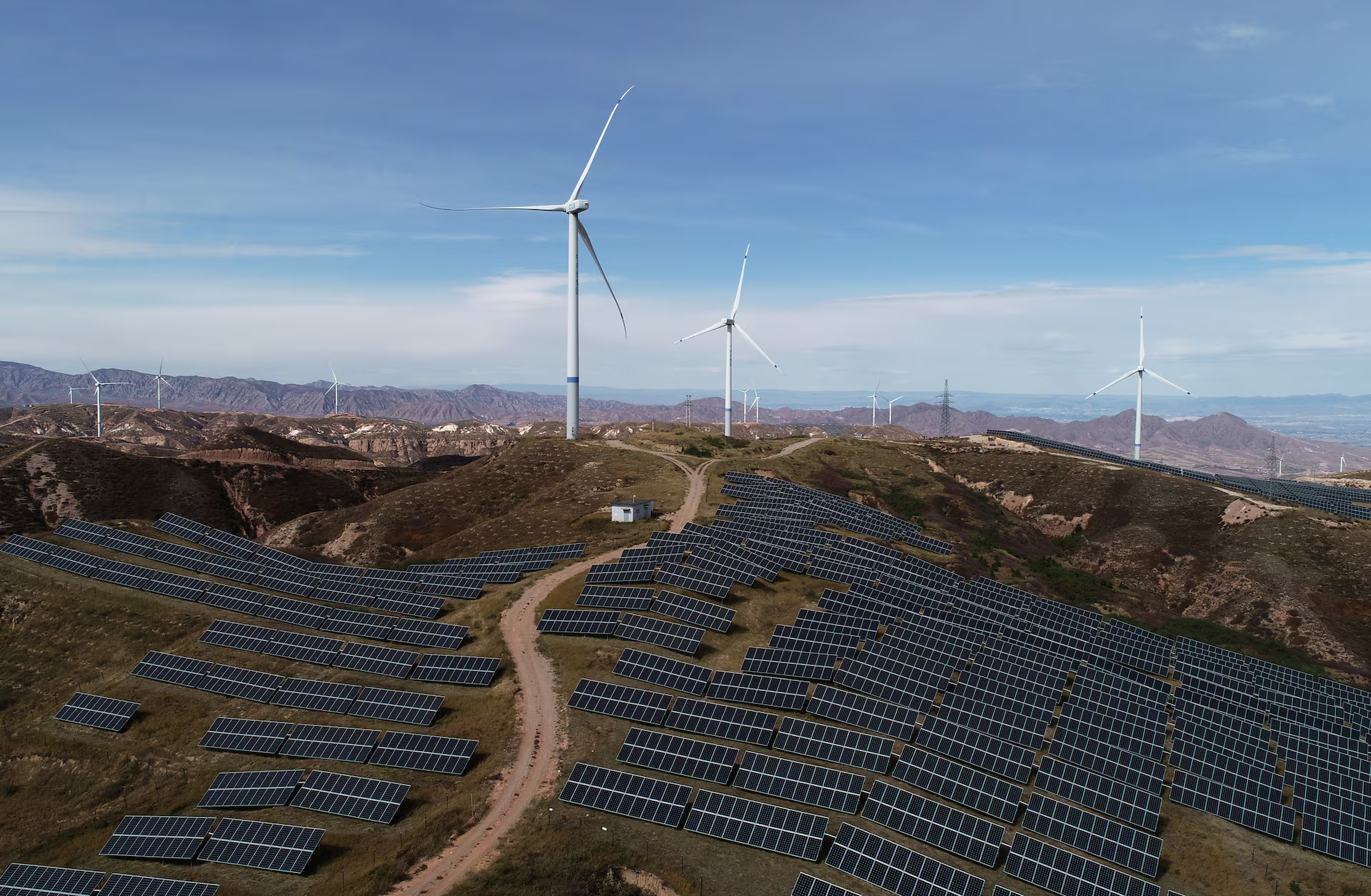
- How the Iran War Is Accelerating the World’s Shift to Energy Independence
- The Iran War’s Shock to the Global System: Energy, Economics, and Global Governance in Crisis
- The War That Burns Twice: How the Iran Conflict Is Rewriting the Future of Energy
- Europe’s Hidden Hand in the Iran War
- The Meme War: Iran, Trump, and the Battle for Attention
 Follow SDG News on LinkedIn