Japan’s historic shift away from decades of postwar restrictions on weapons exports is beginning to redraw the strategic and economic balance of Asia’s defense industry — with neighboring South Korea now facing the prospect of a powerful new competitor in the global arms market.
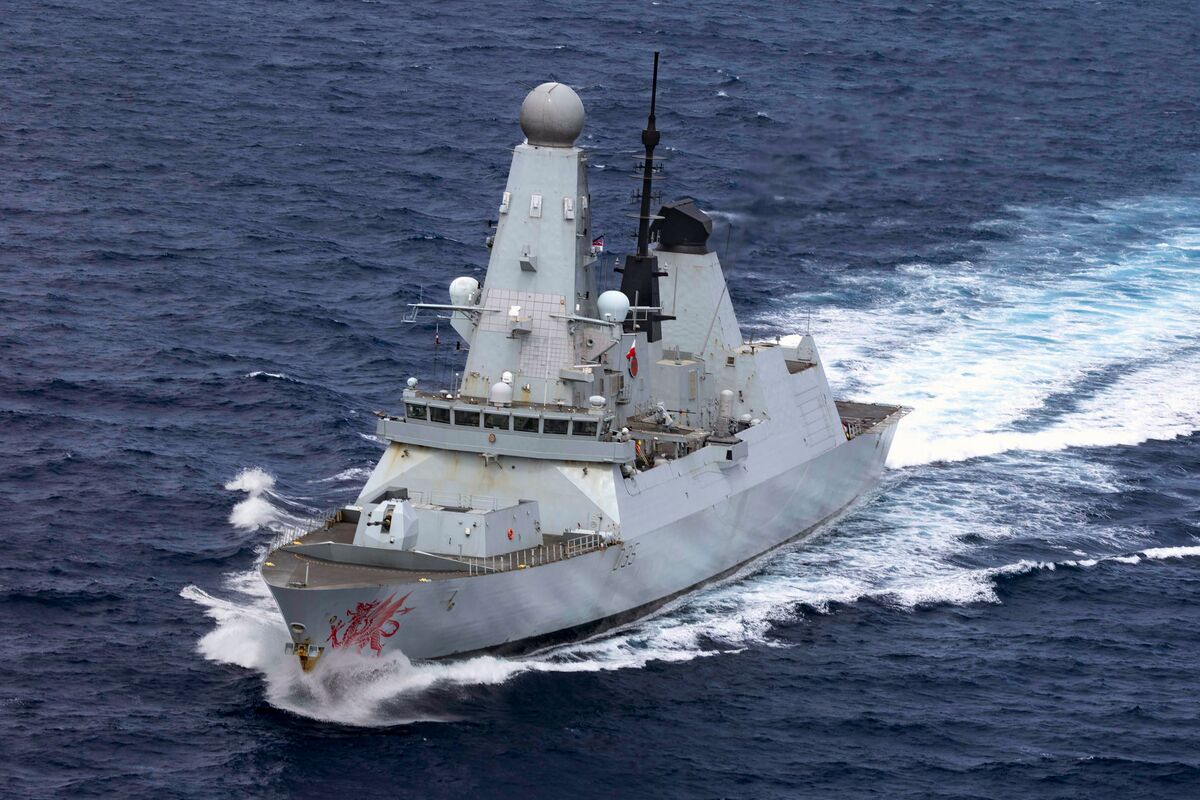
The change marks one of the most consequential transformations in Japanese security policy since World War II. Earlier this year, the government of Prime Minister Sanae Takaichi formally lifted longstanding restrictions on lethal weapons exports, opening the door for Japanese companies to sell warships, missiles, drones, and advanced military systems abroad.
The move reflects a broader strategic reality taking shape across the Indo-Pacific: governments are accelerating military spending amid rising tensions with China, uncertainty around long-term U.S. security guarantees, and growing concern over Taiwan.
For years, South Korea emerged as Asia’s breakout defense-export success story, transforming itself into one of the world’s fastest-growing arms suppliers through companies like Hanwha Aerospace, Korea Aerospace Industries, Hyundai Rotem, and LIG Nex1. South Korean defense exports surged across Europe, the Middle East, and Southeast Asia as countries sought alternatives to traditional Western suppliers.
Now Japan appears determined to enter that same race — but with enormous industrial, technological, and geopolitical advantages.
A Strategic Pivot Decades in the Making
Japan’s postwar constitution and political culture long constrained the country’s ability to export military equipment. While the restrictions had gradually loosened over the past decade under former Prime Minister Shinzo Abe, the April 2026 decision represented a far more sweeping break from precedent.
Under the new framework, Japan can now export a far broader range of military equipment to allied and partner nations, subject to approval by its National Security Council.
The timing is not accidental.
Wars in Ukraine and the Middle East have strained Western defense production capacity, while countries across Asia are seeking to strengthen deterrence against China’s growing military presence. Reuters reported that allies increasingly view Japan as a potential alternative supplier amid concerns over overreliance on U.S. defense manufacturing.
Japan is already moving quickly. Reports indicate Tokyo is considering missile exports to the Philippines and expanding defense cooperation across Southeast Asia.
The country also recently secured a landmark $6.5 billion Australian frigate contract centered around Mitsubishi Heavy Industries’ Mogami-class stealth warship — a deal widely seen as proof that Japan can compete internationally at the highest level of defense manufacturing.
South Korea’s “K-Defense” Model Faces a New Rival
The implications for South Korea are significant.
Over the past several years, Seoul successfully positioned itself as a cost-effective and politically flexible defense supplier. South Korea’s rapid delivery timelines, industrial scale, and willingness to transfer technology helped it win major contracts from Poland to the Philippines.
But analysts increasingly believe Japan’s entry into the market could intensify competition across naval systems, aerospace, missile technologies, and advanced dual-use technologies.
A recent analysis from Korea Pro noted that Tokyo’s defense-export push could pressure South Korea in “high-end weapons markets and joint development” initiatives.
South Korean industry observers are particularly concerned because Japan brings strengths in advanced materials, shipbuilding, semiconductors, robotics, and precision manufacturing — sectors deeply interconnected with next-generation defense systems.
The rivalry is also symbolic.
For decades, Japan’s pacifist posture allowed South Korea to dominate the Asian defense-export narrative. That era may now be ending.
Defense, Industrial Policy, and the Future of Asia
The emerging competition between Japan and South Korea is about far more than weapons sales.
Across Asia, defense policy is increasingly becoming industrial policy.
Governments are viewing military manufacturing not only as a security imperative, but also as a driver of technological innovation, strategic autonomy, and economic growth. Quantum technologies, AI-enabled systems, semiconductors, autonomous platforms, and advanced materials are becoming deeply intertwined with national defense ecosystems.
Japan’s expanding military posture reflects this broader shift. The country is rapidly increasing defense spending, pursuing counter-strike capabilities, and deepening defense-industrial partnerships with allies including the United States, the United Kingdom, Italy, Australia, and the Philippines.
China has sharply criticized Tokyo’s moves, accusing Japan of abandoning its postwar pacifist identity and contributing to regional militarization.
But supporters argue the changes reflect a new geopolitical reality.
As the Indo-Pacific becomes the center of global strategic competition, countries across the region are racing to secure technological advantage, resilient supply chains, and defense partnerships capable of shaping the balance of power for decades to come.
RELATED STORIES:
- Japan’s “Iron Lady” Secures Supermajority: A Mandate for Nuclear, Defense, and Fiscal Expansion
- A New Era Under Sanae Takaichi — Implications for Japan’s Agenda
- Japan’s Military Shift Signals a New Era: The Quiet End of the Post-War Order
- Japan Mega-Solar Regulations Tighten to Protect Nature and Landscapes
- Japan Launches $1.3 Billion Clean Energy Investment Subsidies Under GX 2040
 Follow SDG News on LinkedIn