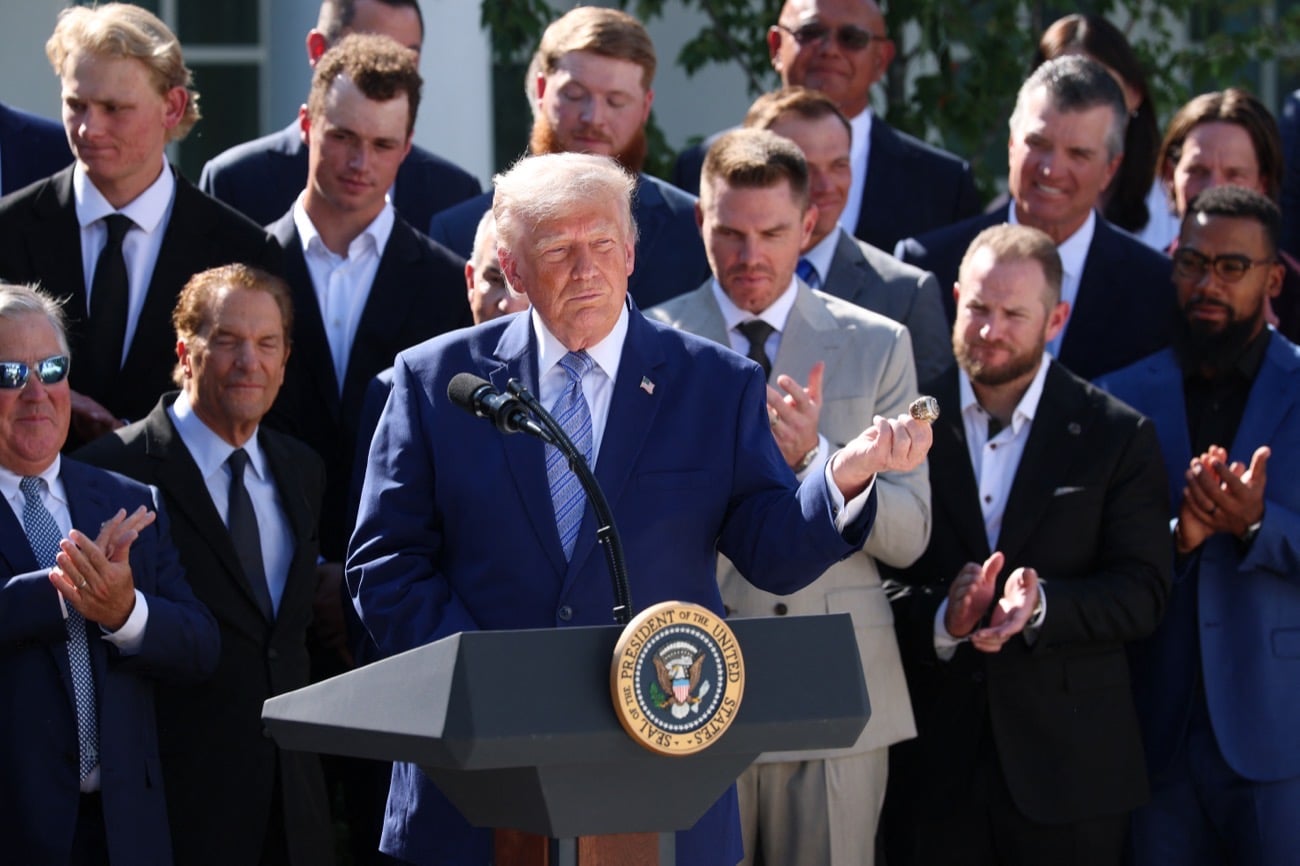
Washington — The U.S. Environmental Protection Agency moved to cast doubt on the dangers of greenhouse gases, arguing they may not be as harmful as once believed. The declaration, issued under Trump appointee Lee Zeldin, upended more than a decade of scientific consensus and regulatory precedent. For global companies that have spent years aligning strategies with climate action, the announcement created an uncomfortable paradox.
Corporate Pledges Meet Policy Retreat
At the center of the controversy is the EPA’s move to rescind the 2009 “endangerment finding” — the legal cornerstone that recognized greenhouse gases as a public threat. That ruling empowered U.S. regulators to set emission standards across sectors, from automobiles to aviation. Rolling it back, the EPA suggested, could free industry from what it described as “unduly pessimistic” projections, even hinting that rising carbon dioxide levels might benefit agriculture.
The reaction from business has been uneasy. Ford Motor welcomed the notion that existing standards “do not align with the market,” but in the same statement reaffirmed its goal of carbon neutrality across vehicles, facilities, and supply chains. General Motors struck a similar chord. CEO Mary Barra told investors that EV production remained the company’s “North Star,” while GM’s corporate platform still proclaims a drive toward “an all-electric, zero-emissions world.”
Executives now find themselves navigating a political landscape at odds with their own public commitments. “They can’t shrink from the inevitability of needing to abate greenhouse gases,” said Tim Profeta, a former EPA official now at Duke University. Yet openly contesting the administration risks political backlash, while silence risks reputational credibility.
Shifting Corporate Rhetoric
The strain is visible in corporate disclosures. Data from Factiva shows that across industries, references to curtailing greenhouse gases in investor filings fell by more than 12 percent in the first seven months of 2025 — a sharp reversal from the 34 percent rise recorded over the same period in 2024. Automotive filings held steady after an 18 percent surge the previous year, while declines were more pronounced in fossil fuels, financial services, and technology.
Analysts note that companies began softening the language around climate commitments as soon as President Trump took office. That trend has accelerated with each regulatory rollback. Investor communications increasingly highlight market conditions, consumer demand, or technological readiness, while explicit mentions of climate change have grown less frequent.
For automakers, the stakes are especially acute. EPA rules had helped propel investment in electric vehicles and lithium-ion batteries. By walking back the endangerment finding, the administration is undercutting the very framework that pushed industry toward electrification.
Implications for Global Policymakers
The policy shift raises questions well beyond the U.S. market. Multilateral climate negotiations often hinge on American regulatory direction, and the EPA’s reversal risks weakening momentum for collective action. It also complicates diplomacy with partners who look to the U.S. for alignment on sustainable transport and emissions reductions.
Michael Hartrick of the Alliance for Automotive Innovation voiced the industry’s unease: while the administration’s actions might aim to create “greater long-term certainty,” he warned of “near-term uncertainty while the merits of the proposal are considered.” For companies managing global supply chains and for governments negotiating national commitments, that uncertainty could ripple across markets.
The EPA’s new position is unlikely to halt corporate climate strategies entirely. Global consumer demand, investor pressure, and EU and Asian regulations are pulling multinationals toward lower-carbon models regardless of U.S. policy. Yet the episode highlights how quickly political shifts in Washington can unsettle international confidence.
For UN leaders and diplomats, the takeaway is clear: even as governments recalibrate, the trajectory of corporate commitments remains tethered to global markets and societal expectations. The EPA may claim that greenhouse gases are less threatening, but in boardrooms from Detroit to Tokyo, the calculus is unchanged — the future still points to carbon reduction, and the credibility of that journey is now under sharper scrutiny.
Related Content: Inside Project 2025: Everything You Need to Know About the EPA Blueprint
 Follow SDG News on LinkedIn