NEW YORK CITY — On election night the cafés of Astoria pulsed with a kind of civic electricity. Taxi drivers leaned out of windows, students spilled onto Steinway Street, and volunteers who had been knocking on doors for months hugged in disbelief.
When the final count came in, Assemblymember Zohran Mamdani — the 33-year-old son of Ugandan-Indian immigrants — had become New York City’s next mayor. What began as a borough-level campaign ended as a national referendum on whether a new generation of progressives could move from protest to policy.
“This win isn’t about one district,” Zohran Mamdani told supporters. “It’s about proving that justice and governance can share the same sentence.”
A Potential Blueprint for Inclusive Governance?
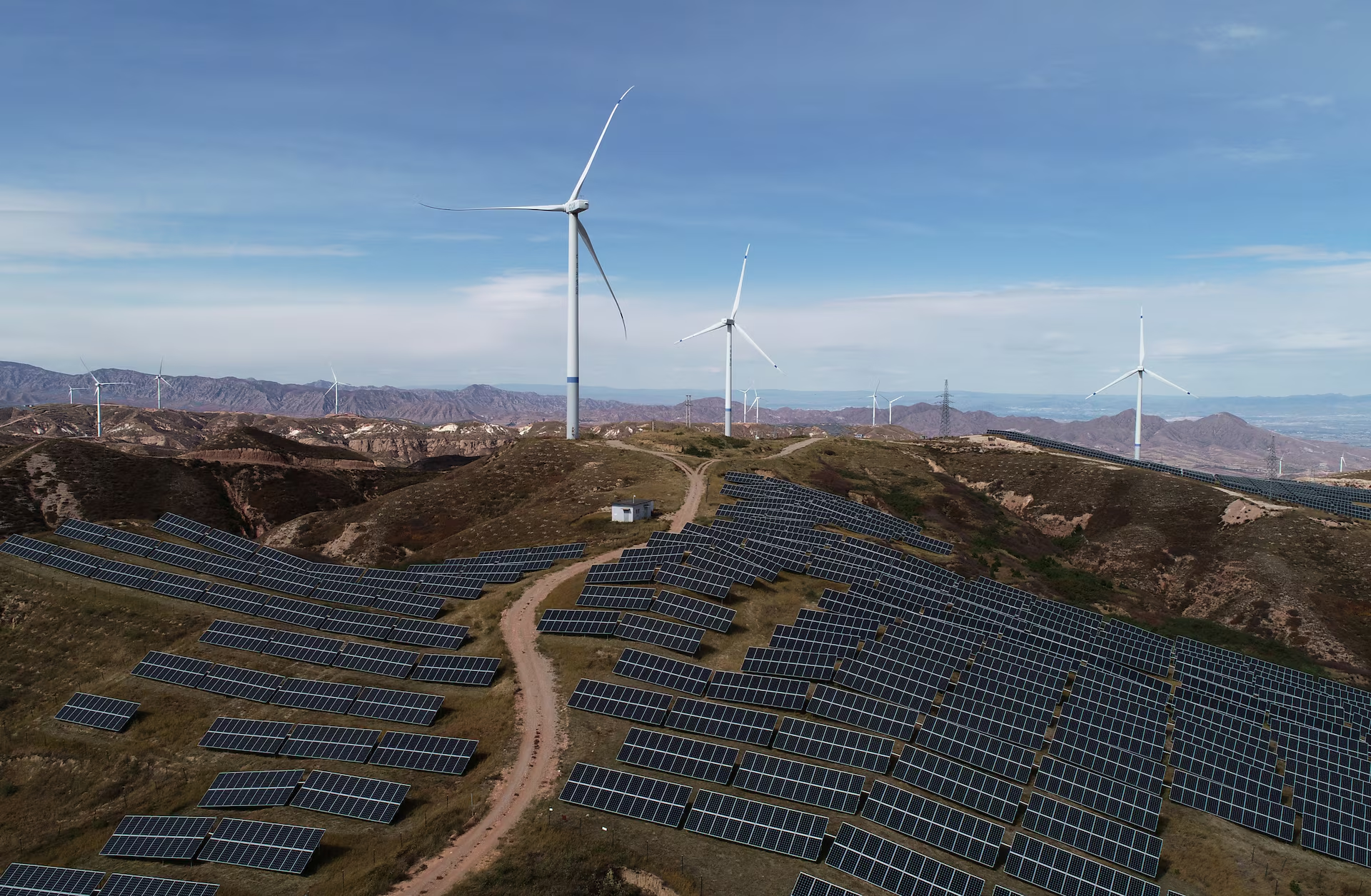
Mamdani’s program reads like an urban development plan written in the language of equity: fare-free buses, universal childcare, aggressive affordable-housing targets, and a Green Schools for a Healthier New York City initiative to retrofit 500 public schools with solar panels, cooling centres, and storm-resilience hubs.
Though he has never invoked the United Nations Sustainable Development Goals (SDGs) by name, his proposals track closely with UN SDGs Reduced Inequalities, Sustainable Cities and Communities, and Climate Action.
“Climate and quality of life are not two separate concerns,” he has said. “They are, in fact, one and the same.”
Supporters see a coherent vision linking environmental health with social mobility — a model of what “just transition” politics might look like inside a major Western economy.
Critics counter that the plan risks outpacing fiscal capacity, warning that fare-free transit and rapid green retrofits could squeeze the city’s budget and test the pragmatism of its new administration.
National Reactions Expose America’s Split Vision of Governance
The reaction in Washington came swiftly — and split cleanly down the nation’s political fault line.
Former President Joe Biden called new mayor Zohran Mamdani on Wednesday to offer congratulations, later posting on social media:
“In Virginia, New Jersey, New York City, California, and communities across the country, voters chose hope, fairness, and a future where everyone has a fair shot. Our democracy works when we make it work, and last night, the American people proved once again that they’re up to the task.”
It was Biden’s first public statement on this year’s off-year elections and an implicit endorsement of the idea that progressive urban governance can still unify diverse coalitions in a post-Biden Democratic landscape.
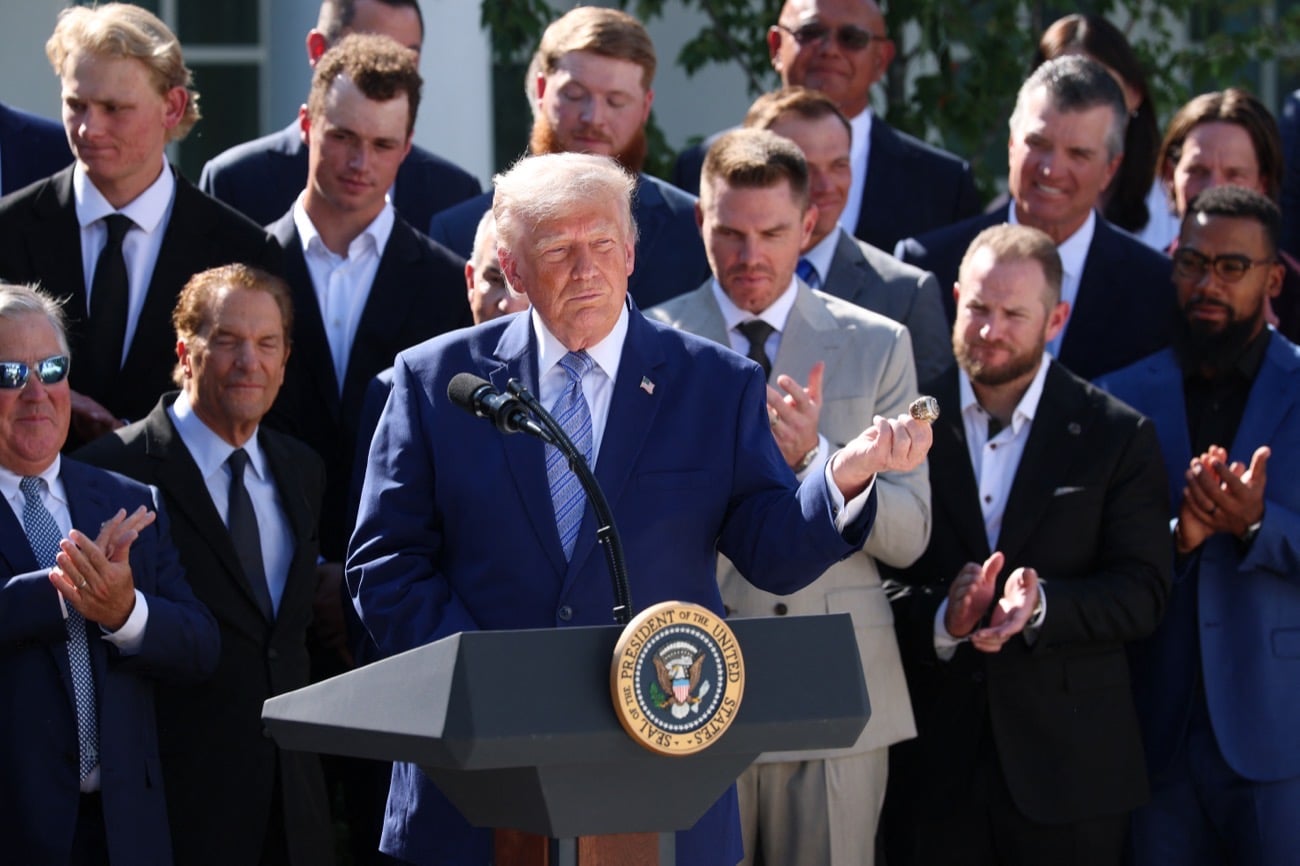
Hours later, President Donald Trump took the opposite view in remarks from Miami’s American Business Forum.
“If you want to see what Congressional Democrats wish to do to America, just look at the results of yesterday’s election in New York — where their party installed a communist as the mayor of the largest city in the nation,” he said, warning that “the United States is not going communist in any way, shape or form.”
For global observers, the exchange was revealing: a single municipal victory reframed by each leader as emblematic of America’s ideological future.
One camp cast it as democratic renewal; the other, as ideological excess.
For SDG policymakers abroad, it underscored how climate- and equity-driven agendas remain politically polarizing even in high-income democracies.
From Astoria to the World Stage
Zohran Mamdani’s win lands just weeks before COP30 in Belém, Brazil — a summit where the United States will appear divided in more than rhetoric.
The Trump administration confirmed it will send no senior officials, telling The Guardian it intends only technical representation.
Yet more than 100 U.S. state and local leaders, including several newly elected mayors, will attend to showcase subnational climate progress.
“Whatever our nationalized policy is or isn’t, the people on the ground locally are getting it done,” said New Mexico Governor Michelle Lujan Grisham during a pre-COP press call.
Her words could double as a mission statement for Zohran Mamdani’s camp.
New York, now under a self-declared democratic socialist mayor, will likely emerge in Belém as a focal point for how cities can operationalize SDG-aligned policy when national leadership pulls back.
The Governance Test Ahead
Victory brings scrutiny.
Delivering on promises of free transit and large-scale school retrofits will demand fiscal creativity and political compromise with a city council not uniformly aligned to his left-wing coalition.
Zohran Mamdani’s supporters argue that public credit can and should be mobilized toward “social infrastructure” — the assets that underpin health, education and resilience.
Opponents warn of over-reach and debt exposure.
Still, the election’s signal is unmistakable: sustainability and fairness are now decisive electoral currencies.
What New York implements over the next four years will help determine whether progressive governance can produce measurable outcomes — not just moral momentum.
Why This Matters Beyond New York
For international policymakers, Mamdani’s rise exemplifies the quiet diffusion of the SDGs into domestic politics without the UN vocabulary.
City leaders from Barcelona to Bogotá are experimenting with similar “social-climate” models linking housing, jobs, and resilience.
New York’s experiment now joins that network, turning the world’s financial capital into a laboratory for inclusive sustainability.
If it succeeds, it will provide proof that the SDG logic — integrating social, economic, and environmental goals — can be electorally validated and fiscally sustained inside a G7 democracy.
If it fails, it will caution that ambition without fiscal realism risks eroding public trust in climate-driven reform.
READ RELATED STORIES:
- U.N. Warns Extreme Heat Is Putting Workers’ Lives and Livelihoods at Risk
- Financing the Goals: What to Expect at COP29
- Environmental Groups Swipe Left on Biden, Right on Harris for Climate
- Report Unveils Fossil Fuel Industry’s Opposition to UN Global Plastics Treaty
- President Irfaan Ali Declares Victory as Guyana’s Oil Boom Redefines Politics
 Follow SDG News on LinkedIn