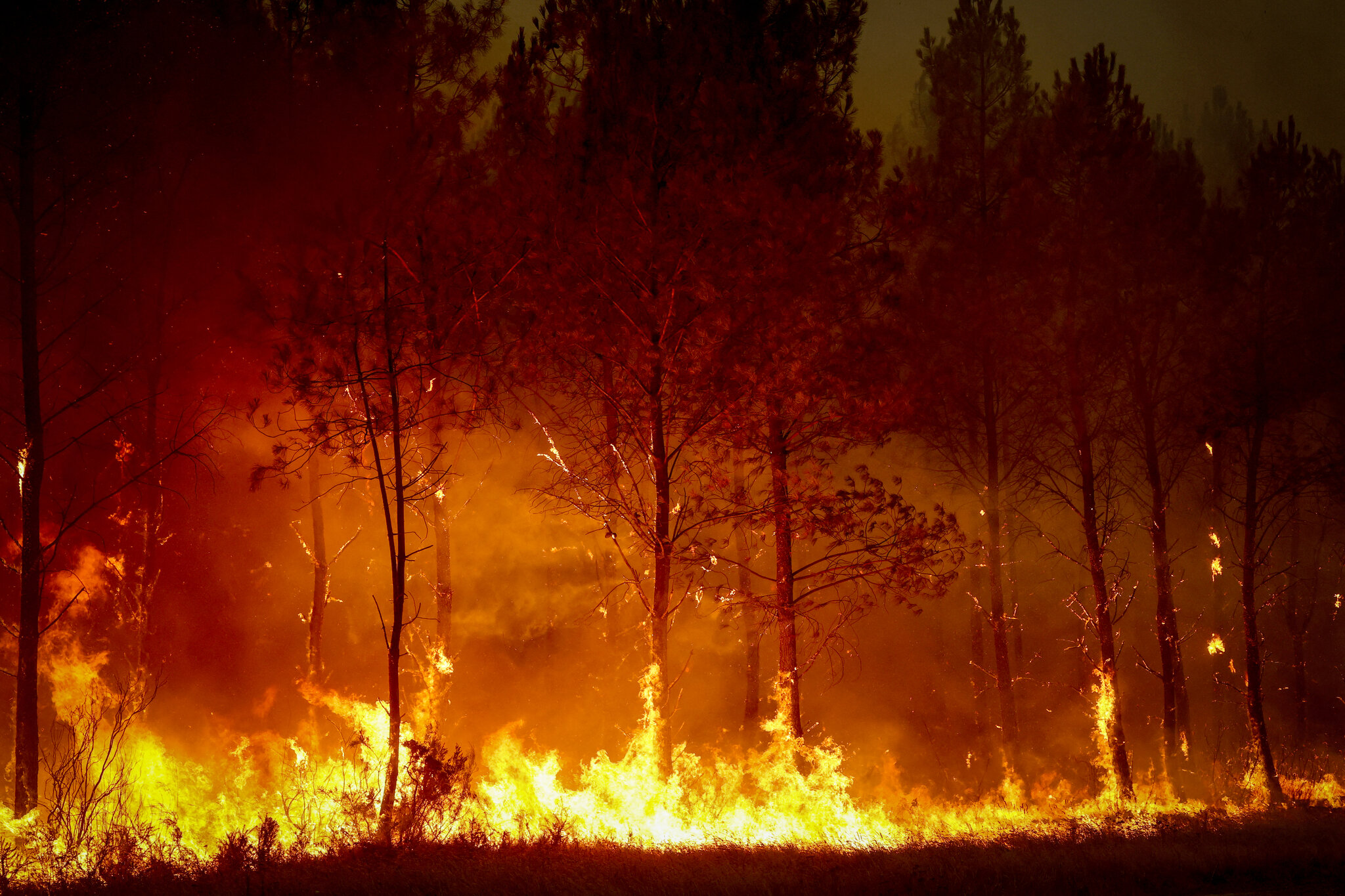
High-quality forest carbon credits sit at the center of today’s climate finance strategy. As governments and companies grapple with tightening emissions pathways and rising pressures to demonstrate integrity, forest carbon markets are undergoing rapid evolution. In 2025, forestry and land-use projects account for 37% of all global carbon credit retirements—underscoring the sector’s influence on national climate plans, voluntary markets, and emerging compliance regimes.
This report distills the landscape: what defines a high-integrity forest credit, which credit types dominate the 2025 market, and how the most credible projects are reshaping carbon finance from Myanmar to Ethiopia to Central Kalimantan.
The foundation of the 2025 forest carbon market
A single carbon credit represents one metric ton of CO₂ removed from the atmosphere or avoided through verified action. In forest systems, this can mean restoring degraded land, preventing planned deforestation, or enhancing carbon storage in existing forests.
Nature-based credits have become a cornerstone in both national and corporate mitigation strategies. Compared with engineered removals such as direct air capture, forest projects offer immediate scalability and strong co-benefits—from biodiversity protection to rural income generation. Investments in sustainable forest management and restoration have nearly doubled, reaching $23.5 billion in 2025.
Verification standards remain the threshold for credibility. Forest carbon credits must demonstrate additionality, permanence, transparent monitoring, and alignment with leading certifiers such as Verra, Gold Standard, Plan Vivo, ACR, and ART TREES. High-quality projects now rely on advanced MRV technology—including drones, AI and satellite data—to validate carbon gains and safeguard environmental integrity.
The five most influential forest credit types of 2025
Across global markets, five categories dominate supply, finance flows and climate-policy relevance:
1. Blue Carbon (Mangroves)
Mangrove ecosystems sequester carbon up to four times faster than terrestrial forests, while protecting coastlines and fisheries. Blue carbon projects—certified by Verra and Gold Standard—represent 10% of the forestry segment and remove between 500,000 and 1 million tons of CO₂ annually.
2. Afforestation and Reforestation
The most scalable pathway for carbon removal. These projects deliver 10–20 million tons of CO₂ sequestration yearly and anchor rural job creation, soil recovery and landscape restoration. They remain the most cost-effective credit category, with high uptake across Asia and Africa.
3. Improved Forest Management (IFM)
IFM enhances carbon storage in existing forests through better planning, selective harvesting and conservation. Generating 8–15 million tons of CO₂ removal annually, IFM credits are central to countries with mature timber sectors and long-term forest governance frameworks.
4. Agroforestry
A rapidly growing category integrating trees into farming systems. Delivering 5–10 million tons of CO₂ removal, agroforestry also boosts food security, soil fertility and drought resilience—making it one of the most development-aligned credit types for 2025.
5. REDD+
Accounting for 25% of all forestry credit retirements, REDD+ remains the largest single category. These projects prevent 15–30 million tons of CO₂ emissions annually by protecting at-risk forests and empowering Indigenous and local communities. While REDD+ faces challenges around permanence and leakage, leading projects have strengthened safeguards and transparency.
Five flagship projects shaping the 2025 market
The year’s most influential forest carbon projects demonstrate how quality, scale and community benefits intersect:
Myanmar Reforestation & Community Forestry (A/R, Verra VCS1764)
Restores degraded landscapes through native species and community forestry, removing 500,000+ tons of CO₂ annually and creating rural jobs.
Mikoko Pamoja Mangrove Restoration — Kenya (Blue Carbon, Verra VCS2338)
A globally recognised community-led model protecting coastal ecosystems and supporting fisheries, with 3,000+ tons of annual CO₂ removal.
Timor-Leste Community Forest Management (IFM, Gold Standard GS4210)
Improves forest health through sustainable management and agroforestry, delivering 100,000+ tons of CO₂ removal and strengthening water security.
Humbo Assisted Natural Regeneration — Ethiopia (Agroforestry, GS10220)
One of Africa’s flagship restoration initiatives, regenerating degraded land and delivering more than 1 million tons of CO₂ removal since inception.
Katingan Peatland Restoration — Indonesia (REDD+, Verra VCS1477)
Protects 150,000 hectares of peat swamp, preventing 7.5 million tons of CO₂ emissions annually while advancing biodiversity and Indigenous rights.
Integrating forest credits into a climate strategy
Forest carbon credits play a complementary role to internal decarbonization. Companies increasingly diversify portfolios—combining forest credits with engineered removals—to balance risk and ensure future compliance readiness. Verified forest credits also strengthen ESG reporting by providing quantifiable, independently audited climate impacts.
Long-term offtake agreements are becoming essential. As demand for high-quality credits rises faster than supply, long-term contracts stabilize pricing, secure access to credits, and enable developers to scale restoration activities.
A market facing both opportunity and uncertainty
Quality variability, supply shortages and evolving regulatory standards pose real risks. Future-proofing requires selecting projects with strong MRV, robust safeguards and internationally recognized certification.
But innovation is accelerating. Improved satellite monitoring, new carbon accounting methodologies, and policy drivers—from the EU’s CBAM to national carbon pricing schemes—continue to push the market toward higher integrity and greater scale.
The outlook
Forest carbon credits remain one of the most impactful, scalable tools in the global climate portfolio. Their role in carbon removal, biodiversity protection, rural employment and climate resilience positions them at the center of climate policy and corporate net-zero strategies in 2025.
When deployed with integrity, they offer both measurable climate benefit and a pathway to broader nature-positive development.
RELATED STORIES:
- Sustainable Finance Market Set to Surge to $35.7 Trillion by 2034
- Microsoft Signs Deal with Forest Manager EFM for 3 Million Nature-Based Carbon Removal Credits
- Climate Asset Management’s U.S. Forestry Project Secures Microsoft Deal for 700,000 Long-Term Carbon Credits
- Microsoft Signs 10-Year Deal with Anew Climate and Aurora to Secure 4.8M Nature-Based Carbon Removal Credits
- UK Launches Carbon Credit Integrity Principles to Strengthen Market Trust and Growth
 Follow SDG News on LinkedIn