The global economy is entering a more volatile and uncertain phase, as the International Monetary Fund (IMF) delivers a stark warning: higher prices and slower growth are no longer risks—they are becoming the baseline.
At the center of this shift is a growing convergence of geopolitical instability, energy disruption, and structural economic fragility that is reshaping the trajectory of global markets in real time.
A Shock to the Global System
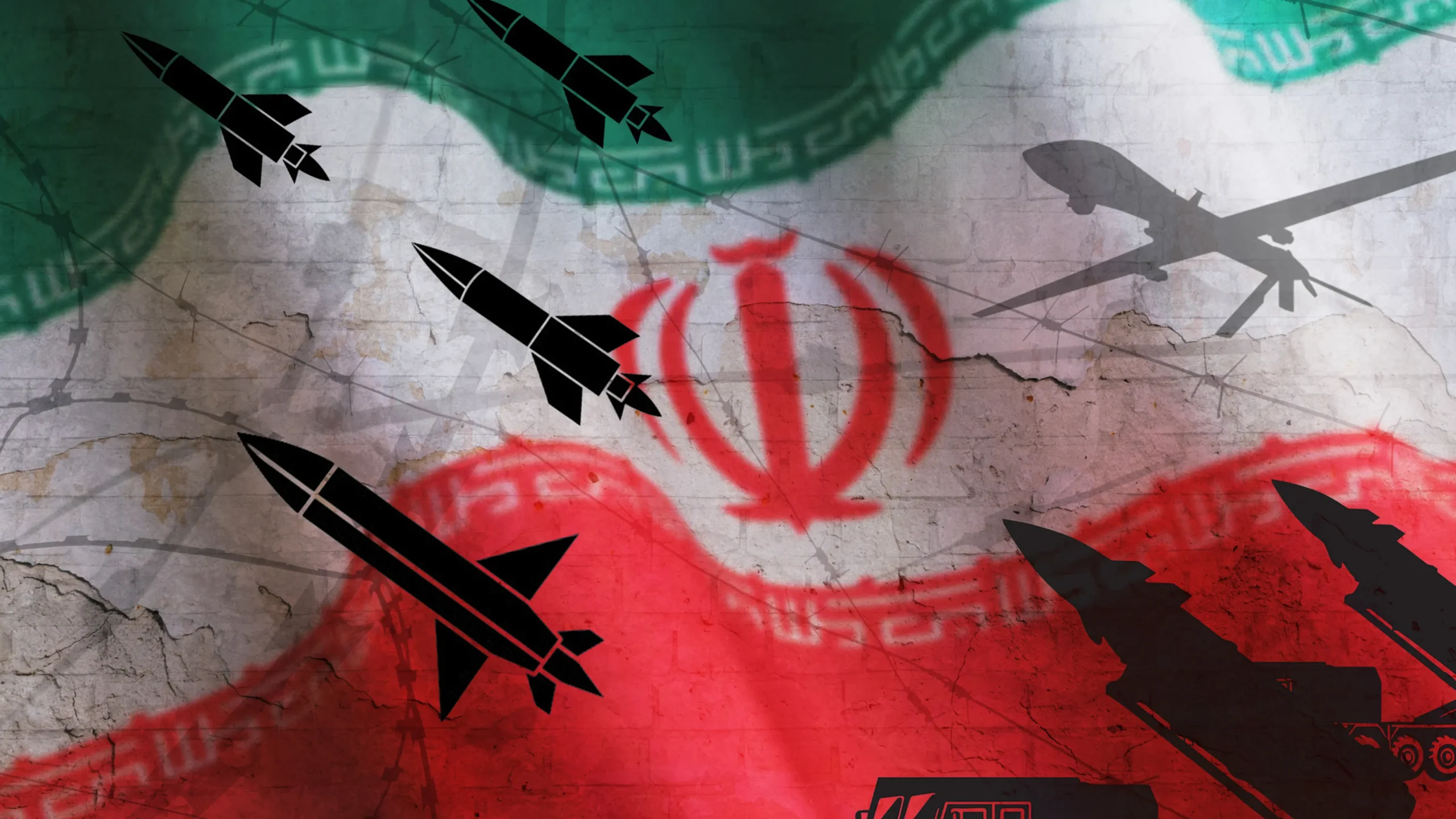
Speaking amid escalating tensions in the Middle East, IMF Managing Director Kristalina Georgieva made clear that the current crisis is not isolated. It is systemic.
The disruption of critical energy flows, particularly through the Strait of Hormuz, has triggered a supply shock reverberating across industries and continents. A significant share of the world’s oil and gas passes through this narrow corridor, and any sustained disruption has immediate global consequences.
This is classic cost-push inflation at a global scale. When energy prices rise, they cascade through transportation, manufacturing, and food systems, ultimately reaching consumers worldwide.
The result is a dual pressure on economies: rising inflation alongside slowing growth.
The Return of a Familiar Threat: Stagflation
The IMF’s warning points to a growing risk of stagflation, a scenario where inflation remains elevated while economic growth weakens.
Global growth forecasts, previously expected to remain relatively steady, are now likely to be revised downward. At the same time, inflation expectations are moving upward as energy and supply chain disruptions persist.
Markets are already reacting. Oil prices have surged amid uncertainty, while business activity across major economies is showing signs of slowing.
For policymakers, this creates a difficult balancing act. Raising interest rates to control inflation risks further slowing growth, while holding rates steady risks allowing inflation to become entrenched.
Unequal Impact, Global Consequences
While the crisis is global, its effects will not be evenly distributed.
The IMF has emphasized that the most vulnerable economies, particularly energy-importing developing nations, will bear the brunt of rising prices. These countries often lack the fiscal capacity to shield their populations from higher energy and food costs, increasing the risk of social unrest and political instability.
At the same time, even advanced economies are not immune. Slowing business activity, declining consumer confidence, and rising costs are already emerging across Europe and other major markets.
This divergence underscores a broader trend: global economic fragmentation, where shocks amplify inequality between nations.
A Structural Turning Point
Beyond the immediate crisis, the IMF’s warning reflects something deeper, a structural shift in the global economy.
The post-pandemic recovery had already exposed vulnerabilities in supply chains, energy systems, and geopolitical alignment. The current conflict is accelerating these pressures, forcing governments and markets to rethink assumptions about stability, globalization, and resilience.
Energy security is once again at the center of economic strategy. Supply chains are being reassessed. And the cost of geopolitical risk is being priced into everything from commodities to capital markets.
What Comes Next
The IMF is expected to formally update its global outlook in the coming weeks, with downward revisions to growth and upward revisions to inflation now widely anticipated.
But the message is already clear.
The global economy is no longer navigating isolated shocks. It is entering an era where geopolitical conflict, energy disruption, and economic performance are tightly intertwined.
In this environment, resilience, not efficiency, may become the defining principle of economic strategy.
RELATED STORIES:
- Global Economy at a Tipping Point as IMF Warns: “Resilience Is Running Out”
- Exclusive to Insiders – Global Economy at a Tipping Point as IMF Warns: “Resilience Is Running Out”
- Exclusive to Insiders: Europe Challenges Washington Over Climate Finance Leadership
- Dr. Hyginus ‘Gene’ Leon Leads Visionary Efforts in Pioneering the Development Bank for Resilient Prosperity Initiative
- Britain Pulls Back: UK Slashes Climate Finance for Developing Nations as Global Pressure Mounts
 Follow SDG News on LinkedIn