São Paulo — The roar of chainsaws that once defined Brazil’s Atlantic Forest is being replaced by the quieter rhythm of restoration. Inter IKEA Group has announced a new forest investment project in southern Brazil — a pilot that blends commercial forestry with ecosystem recovery — as part of its €100 million global commitment to remove and store carbon.
The initiative, developed in partnership with BTG Pactual Timberland Investment Group (TIG), will restore and sustainably manage around 4,000 hectares of degraded or low-productive pastureland across the states of Paraná and Santa Catarina. The Atlantic Forest, one of the most endangered biomes on Earth, has lost nearly 90 percent of its original cover.
A new model for corporate climate action
For IKEA, one of the world’s largest wood users, the project marks a shift from offsetting to ownership in climate responsibility.
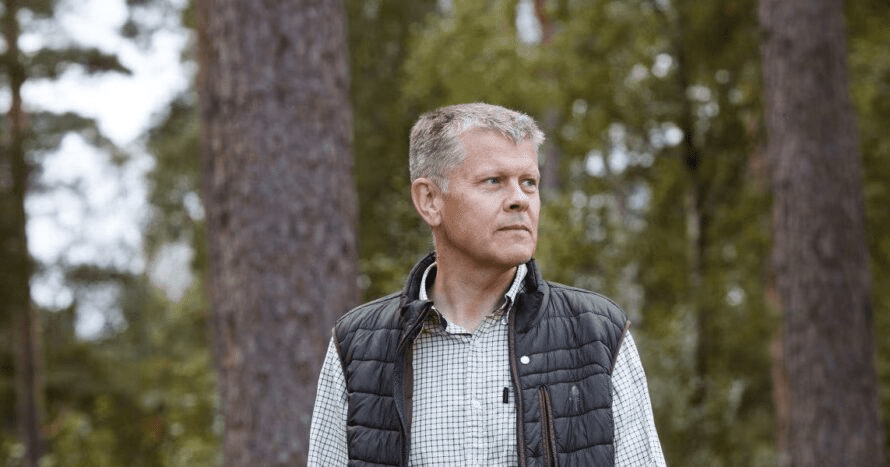
“In IKEA, we recognise our responsibility as a major user of wood and strive to lead by example in responsible forest management,” said Ulf Johansson, Global Head of Raw Materials for Inter IKEA Group. “Our goal is to demonstrate that productive forestry, conservation and restoration not only can coexist, but can thrive together.”
Under the plan, part of the land will be restored to native forest while other areas will support sustainably managed pine plantations to provide local employment and economic value. All sites are expected to pursue certification under the Forest Stewardship Council (FSC) standards.
The project will be independently verified for carbon sequestration and biodiversity gains, tracking soil health, water balance, and community outcomes.
Partnering for scale and permanence
Inter IKEA Group’s partnership with BTG Pactual TIG — one of the world’s largest timberland investment managers — is designed to test a scalable model that links private investment with verifiable carbon storage. BTG Pactual TIG brings more than two decades of experience in large-scale reforestation and forest restoration in Brazil, integrating financial and ecological objectives.
“We appreciate Inter IKEA Group for taking meaningful action to enhance the sustainability of its supply chain,” said Gerrity Lansing, Head of BTG Pactual TIG. “This kind of collaboration shows how innovative approaches can deliver meaningful results for people, nature, and climate at scale.”

Local stewardship and accountability
The project will be guided by an independent advisory panel that includes Brazilian NGO Apremavi, founded in 1987 to protect the Atlantic Rainforest.
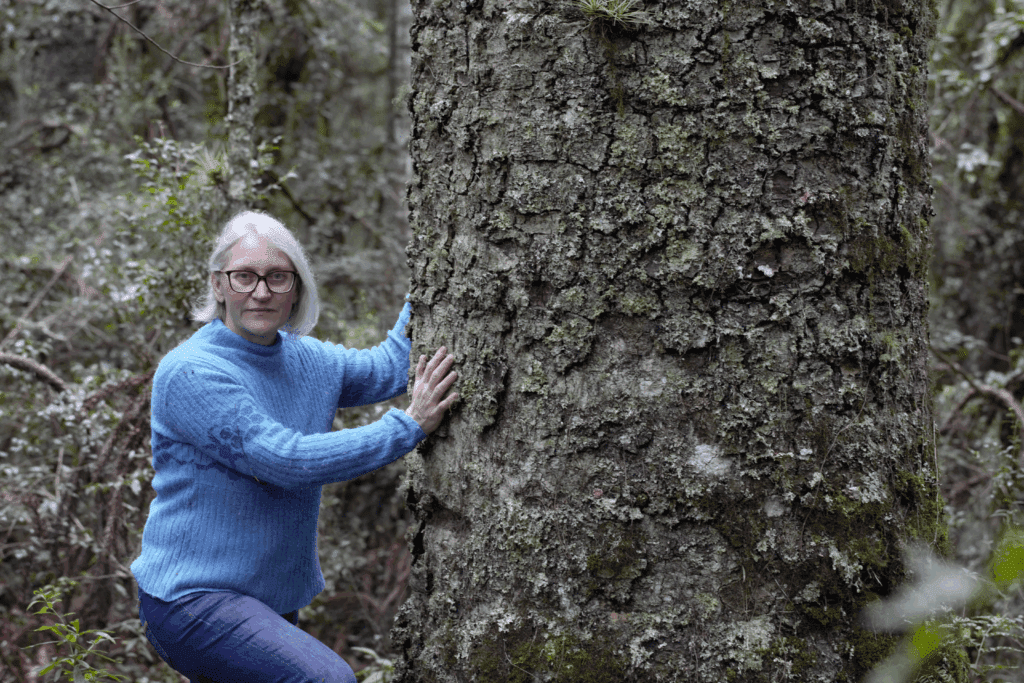
“The impacts of climate change are impossible to ignore,” said Miriam Prochnow, Apremavi’s co-founder. “We are pleased to collaborate with IKEA, especially given its focus on conserving biodiversity and water resources.”
The advisory panel will help shape impact metrics, strengthen community engagement, and ensure transparency across the project’s life cycle.
Connecting local restoration to global climate goals
For Brazil, the investment arrives at a pivotal moment. With COP30 set to take place in Belém next year, corporate commitments like IKEA’s reinforce the country’s position as a laboratory for nature-based climate finance. The partnership between a global retailer and a regional financial institution illustrates how private capital can complement national conservation efforts and advance global net-zero targets.
IKEA’s broader climate strategy calls for halving absolute emissions by 2030, relative to a 2016 baseline, and achieving net zero by 2050. Projects such as this — where measurable carbon removal is paired with verified social and ecological benefits — could become central to how multinational companies demonstrate credible progress toward those goals.
The pilot in Brazil’s Atlantic Forest is only a beginning, but if successful, it will shape how corporations approach carbon removal — not as a tradeable commodity, but as a long-term investment in ecosystems that sustain both markets and life.
READ MORE RELATED STORIES:
 Follow SDG News on LinkedIn