COPENHAGEN — Denmark’s prime minister, Mette Frederiksen, has called a snap parliamentary election for March 24, accelerating the country’s political calendar at a moment of rising international unease and renewed attention on Greenland. The move reflects a calculation familiar to leaders across Europe: that domestic politics can no longer be separated from the shifting posture of the United States under President Donald Trump.
The election, originally expected later in the year, follows weeks in which Greenland’s strategic importance has reemerged in Washington’s rhetoric, reviving questions of sovereignty, security, and alliance politics in Copenhagen. Ms. Frederiksen has responded with a firm tone, arguing that Denmark must be prepared to defend its interests even when pressure comes from a close ally. The stance has helped lift her standing in opinion polls, encouraging her to seek a fresh mandate while public attention remains fixed on external threats.
A Small Country in a Larger Storm
Greenland, vast and sparsely populated, has long sat at the periphery of Danish politics. In recent months it has moved to the center. American interest in the Arctic, framed in strategic and commercial terms, has sharpened anxieties about great power competition in the High North. For Ms. Frederiksen, the issue has become a test of leadership, offering an opportunity to project resolve and competence in uncertain times.
Her government has cast the election as a choice about Denmark’s place in Europe and its approach to security in an era of less predictable alliances. In speeches to Parliament, she has warned that old assumptions about transatlantic stability can no longer be taken for granted, a message that has resonated with voters wary of geopolitical turbulence.
Domestic Questions, Compressed Campaign
Beneath the foreign policy drama lies a more familiar political terrain. The campaign is expected to address rising living costs, pressures on public services, and persistent debates over immigration. Ms. Frederiksen has signaled proposals aimed at easing inequality and shoring up the welfare state, while opposition parties accuse her of using international tensions to distract from unresolved domestic challenges.
The shortened campaign leaves little time for detailed policy debate. Instead, it places a premium on leadership style and trust, asking voters to decide whether the current government has earned continuity or whether the moment calls for change.
Trump’s Shadow Over Allied Democracies
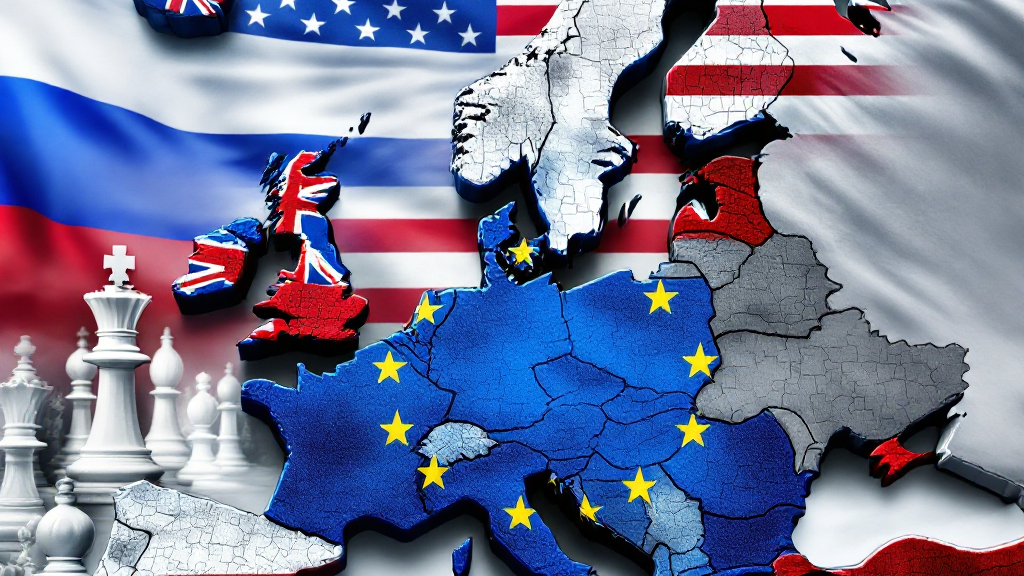
Denmark’s snap election fits a broader pattern unfolding across allied capitals. Mr. Trump’s return to the White House has altered political calculations well beyond the United States, forcing leaders to respond to a more transactional American approach to alliances and security. In some countries, proximity to Washington has become a liability. In others, distance is being recast as prudence.
In Denmark, standing firm toward the United States has become a marker of national confidence. The dynamic mirrors debates elsewhere in Europe, where governments are recalibrating their positions in response to American unpredictability and voters are watching closely.
A Vote With Broader Meaning
When Danes go to the polls in March, they will be voting on more than a government. They will be weighing how a small democracy navigates a world in which the policies and personality of an American president can ripple quickly into domestic life. The outcome will offer an early indication of how electorates in allied nations are responding to a changing global order, one in which old certainties are harder to rely on and political timing has become as strategic as policy itself
RELATED STORIES:
- Samoa Set for New Leadership as Schmidt Rises in Snap Election
- Moldova’s 2025 Elections — A Vote at the Crossroads for the Future
- Trump’s Impact on Sustainability Politics and Investments
- UN Urges Lawmakers in 32 Landlocked Nations to Deliver on Development Plan for 600 Million People
- Europe Moves as Washington Talks, NATO Troops Join Denmark in Greenland
 Follow SDG News on LinkedIn