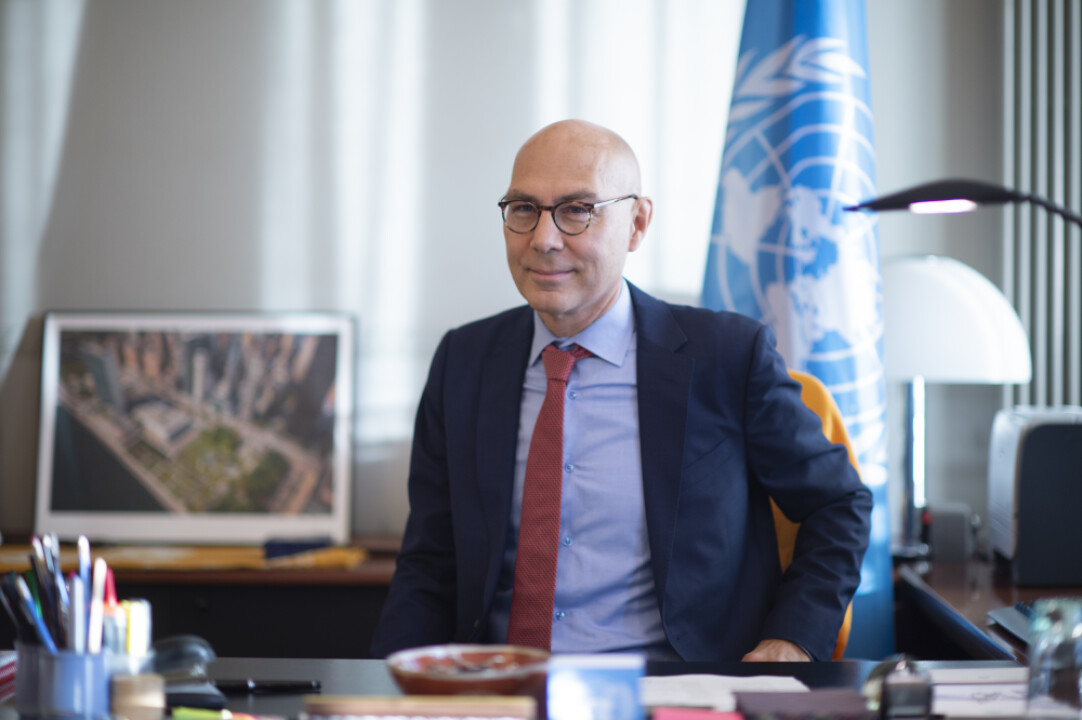
The United Nations has issued its starkest warning in years: without an immediate influx of unpaid member contributions, the organization risks running out of operating cash within months, potentially forcing the shutdown of its New York headquarters by late summer.
Senior UN officials confirmed this week that the institution’s finances have reached a critical point. Billions of dollars in annual dues remain unpaid, with the United States responsible for the largest share of outstanding obligations. If those payments are not made, officials say, the UN could exhaust its cash reserves by July, triggering emergency measures that would ripple across the global system.
The warning has injected fresh urgency into long-simmering concerns about the future of multilateral institutions in an era defined by geopolitical rivalry, fiscal nationalism, and a rapidly shifting balance of power.
A Liquidity Crisis Comes to a Head
For years, the UN has managed financial shortfalls through temporary fixes: borrowing from internal accounts, delaying payments, freezing hiring, and deferring maintenance and programming. Those options, officials now acknowledge, are nearly exhausted.
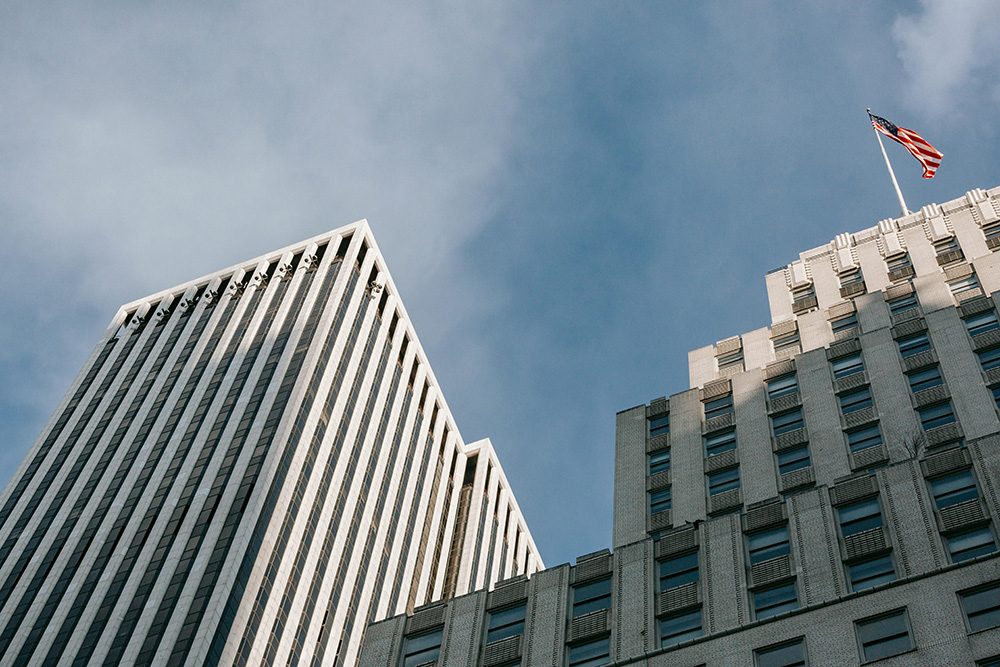
The immediate threat is operational. Without sufficient liquidity, the organization would struggle to pay staff, contractors, and basic services. In the most extreme scenario outlined internally, the UN’s landmark headquarters in New York could be forced to suspend operations by August.
This is no longer a theoretical risk. It is a near-term countdown driven by unpaid dues and a funding structure that leaves the institution acutely vulnerable to political decisions in a small number of capitals.
Washington’s Role and a Broader Political Shift
The United States has historically been the UN’s largest financial contributor, a role that has given it both influence and responsibility for the organization’s stability. Under President Donald Trump, Washington has withheld or delayed significant portions of its assessed contributions, citing concerns over efficiency, accountability, and national interest.
Supporters of the approach argue that it reflects a broader recalibration of global engagement and a rejection of institutions seen as misaligned with domestic priorities. Critics argue that it amounts to using financial leverage to weaken an institution designed to manage global risks collectively.
Either way, the consequences are now visible. What was once a chronic budget problem has become an acute liquidity crisis with immediate operational stakes.
Multilateralism Under Stress in a New World Order
The UN’s financial emergency is unfolding against the backdrop of a rapidly evolving global order. Power is more fragmented. Strategic competition is sharper. Regional alliances and bilateral deals increasingly take precedence over universal forums.
In this environment, multilateral institutions are being asked to do more while being trusted less. They are expected to manage crises that cross borders even as political support for collective action erodes.
António Guterres has repeatedly warned that global challenges cannot be addressed by individual nations acting alone. Yet the funding crisis underscores a widening gap between rhetorical support for cooperation and the willingness to sustain the institutions that make it possible.
Effectiveness, Relevance, and the Risk of Irreversibility
Inside the UN system, the implications extend beyond budgets. Uncertainty about funding undermines long-term planning, weakens morale, and erodes institutional credibility. Programs are scaled back not because needs have diminished, but because cash is unavailable.
Critics of the UN point to inefficiencies and bureaucracy as justification for withholding funds. Defenders counter that chronic underfunding becomes a self-fulfilling argument for failure. An institution deprived of resources struggles to deliver results, which then reinforces calls to further reduce support.
At a moment when global coordination is arguably more necessary than ever, the risk is that the erosion of multilateral capacity becomes difficult to reverse.
A Signal Moment for Global Governance
The UN’s warning has landed as more than a financial update. It is a signal moment for global governance itself.
If the world’s central multilateral institution cannot sustain basic operations because of unpaid dues, it raises profound questions about the future architecture of international cooperation. Is multilateralism still a shared commitment, or has it become optional, contingent on short-term political calculations?
For smaller and more vulnerable countries, the answers matter deeply. Multilateral institutions have long offered a platform where influence is not determined solely by economic or military power. A weakened UN risks narrowing that space at a time when global inequality and instability are already rising.
The coming weeks will determine whether emergency payments stabilize the institution or whether the crisis accelerates a broader shift away from multilateral governance. Either outcome will shape how the world confronts its shared challenges in the years ahead.
What is now clear is that the UN’s financial crisis is no longer a distant concern. It is a live test of whether cooperation remains a pillar of the international order, or a fading ideal in an increasingly fractured world.
RELATED STORIES:
- Seventh Generation Pushes Unilever to Tackle Bank-Related CO2 Emissions
- Denmark Set to Issue World’s First Sovereign Green Bond Under EU Standard
- UN Summit of the Future Deadline September 6: International Leaders Accelerating Progress
- Exclusive to Insiders: Hurricane Melissa Puts Jamaica’s Catastrophe Bond to the Test
- STX Group Boosts Environmental Credit Facility to EUR 375 Million Amid Growing Market Demand
 Follow SDG News on LinkedIn