BOGOTÁ — The old question about Latin America—whether it belongs to the West, the Global South, or somewhere in between—is being quietly retired.
In its place, a new reality is emerging: Latin America is no longer choosing sides. It is choosing leverage.
At the recent summit of the Community of Latin American and Caribbean States in Colombia, leaders signaled a shift that would have been unthinkable a decade ago. The region is actively building new diplomatic corridors beyond its traditional partners, most notably through a historic outreach to Africa. The move reflects more than symbolism. It is a strategic recalibration in a world no longer anchored by a single center of power.
A Region Looking Sideways, Not Up
For much of modern history, Latin America’s global posture has been defined vertically—its gaze fixed northward toward the United States or outward toward Europe. Today, that orientation is flattening.
The CELAC–Africa engagement marks a deliberate pivot toward South–South cooperation, an attempt to construct a new axis of influence rooted in shared demographics, resources, and development trajectories. Leaders at the Bogotá summit emphasized food security, energy transition, and security cooperation as common priorities, signaling an ambition to shape—not just respond to—the global agenda.
This outward push comes even as the region struggles inwardly. CELAC itself remains fractured by ideological divisions and inconsistent leadership participation, raising questions about its capacity to act cohesively.
Yet the paradox defines the moment: institutional weakness at home, paired with growing ambition abroad.
Between Washington and Beijing—But Not Defined by Either
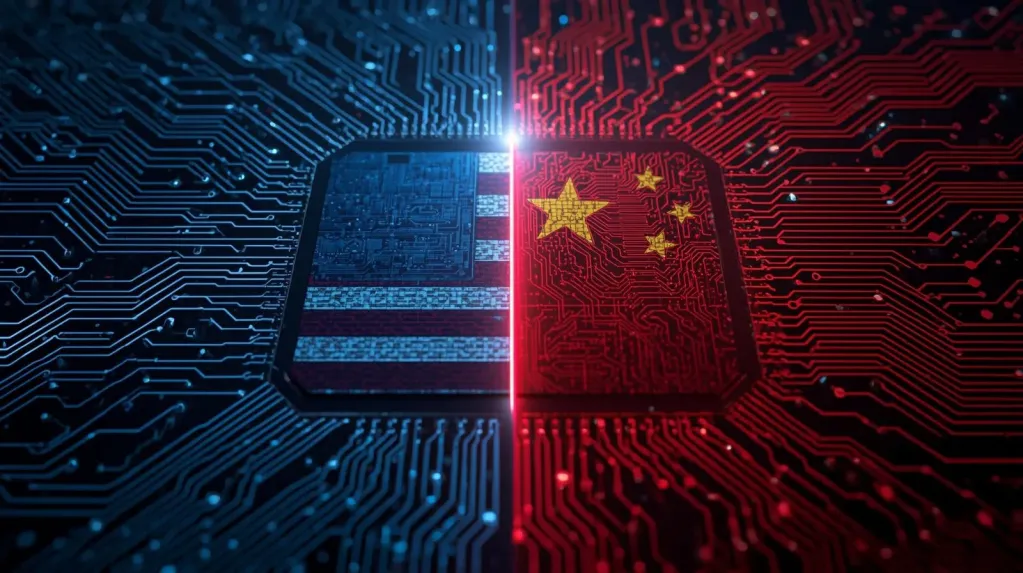
Latin America’s repositioning is unfolding against the backdrop of intensifying competition between the United States and China.
For years, China’s rise in the region seemed inexorable. Trade surged dramatically, making Beijing a dominant economic partner across much of South America. But that trajectory is now entering a more complicated phase.
Chinese investment has slowed and become more selective, even as geopolitical tensions rise. At the same time, Washington has reasserted itself with renewed urgency, framing the hemisphere as a strategic priority and seeking to limit Chinese influence in sectors like energy, ports, and critical minerals.
The result is not a zero-sum contest—but a crowded field.
Latin American governments are increasingly navigating between competing offers, extracting value where they can. What Washington sees as countering Chinese influence is often perceived in the region as a return to older doctrines of control. Meanwhile, Beijing’s ambitions persist, but with a recalibrated approach focused on long-term positioning rather than rapid expansion.
The binary is breaking down. Latin America is not aligning. It is arbitraging.
The Rise of Strategic Autonomy
Perhaps the most defining feature of this moment is the region’s pursuit of strategic autonomy.
Europe, once a secondary player, is being drawn back into the equation as Latin American countries seek to diversify trade and investment relationships. Simultaneously, new coalitions—whether with Africa, Asia, or within the Global South—are expanding the region’s diplomatic options.
This diversification is not just economic. It is philosophical.
In a world marked by fragmentation—war in multiple regions, a weakening multilateral system, and competing visions of global governance—Latin America is positioning itself as a connector. A broker. A region that can engage across divides rather than be defined by them.
A New Role in a Fragmented World
The implications are profound.
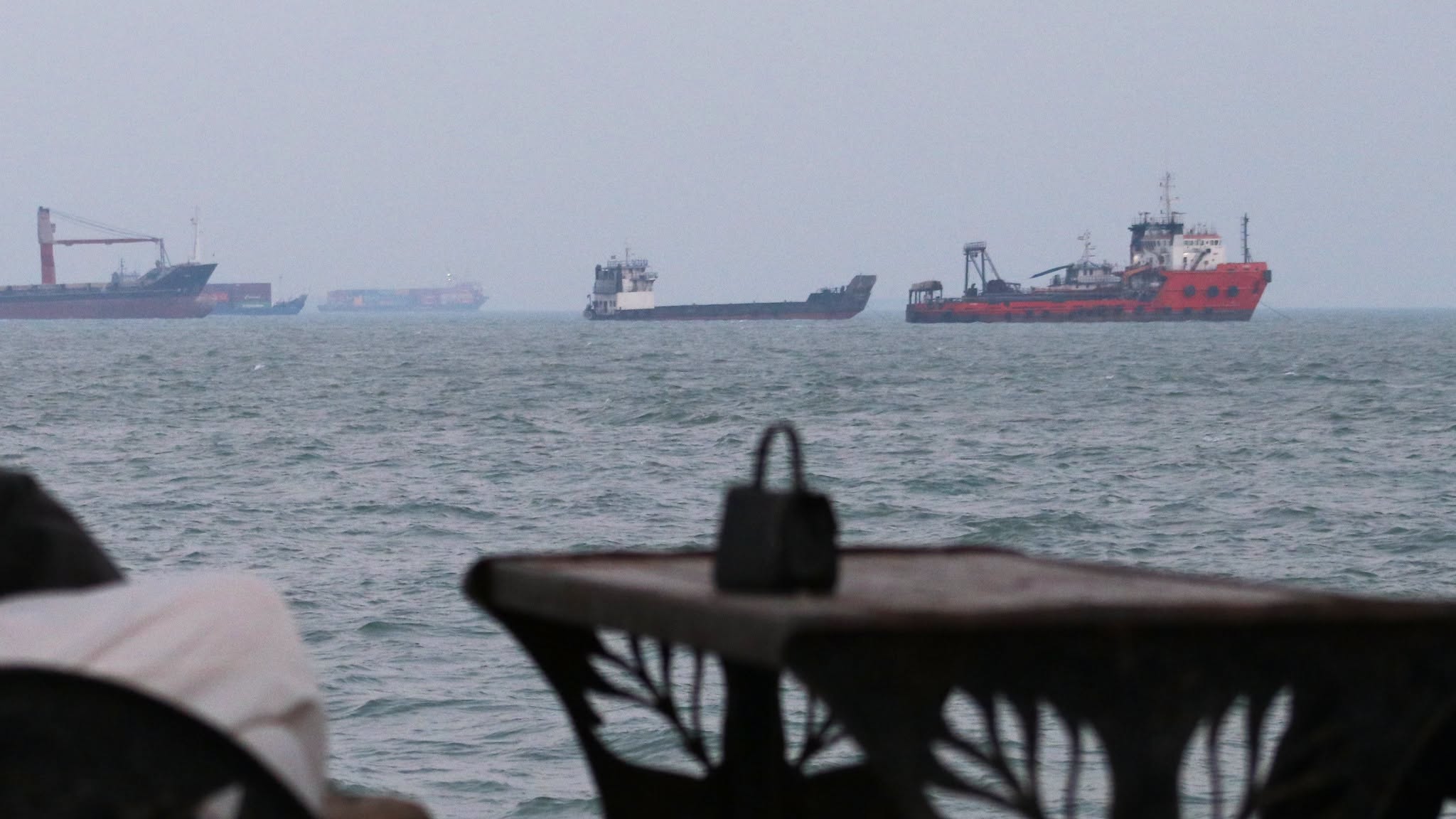
Latin America holds many of the resources that will define the next century—critical minerals, biodiversity, agricultural capacity, and renewable energy potential. It sits astride key shipping routes and increasingly central supply chains. And it remains one of the few regions without interstate war, even as it grapples with internal violence and inequality.
In the emerging global order, that combination is power.
But power without cohesion is fragile. The same divisions that weaken regional institutions could limit Latin America’s ability to act collectively at the scale the moment demands.
Still, the direction is clear.
Latin America is no longer waiting to be integrated into someone else’s system. It is experimenting, imperfectly but deliberately, with building its own.
In the new world order, that may be the most consequential shift of all.
RELATED STORIES:
- Pacific Islands Forum 2025: Defining Sovereignty in an Era of Climate Crisis and Global Realignment
- Canada’s New Playbook: How Mark Carney is redefining Canada’s place in a fractured world
- Latin America’s Answer to Davos Begins Tomorrow in Panama
- Leaked U.S. Cables Reveal Europe’s Private Alarm Over Greenland
- CAF Approves $3B to Accelerate Sustainable Development Across Latin America, Caribbean
 Follow SDG News on LinkedIn