Key Impact Points:
- Climate Week 2025 introduced a new format aligning with Paris Agreement goals, emphasizing actionable solutions across finance, technology, and carbon markets.
- Over 1,200 participants from 109 countries advanced implementation strategies, including integrated country platforms, responsible AI tools, and operational carbon markets.
- Panama positioned itself as a strategic host for global climate negotiations in the lead-up to COP30, focusing on innovation, funding access, and deforestation plans.
Climate Week in Panama: A Strategic Launchpad for Climate Solutions
The first revamped Climate Week of 2025 concluded in Panama City, signaling a shift from climate ambition to implementation.
“This Forum has served as much more than a venue just for discussion — it has been a springboard for solutions to climate action,” said UN Climate Change Deputy Executive Secretary Noura Hamladji in her closing remarks. “Our shared goal was to move from ambition to implementation, to ensure that we leave here knowing real change, and more climate action, is coming.”
Panama hosted the first in-person gathering of climate negotiators in 2025, marking a strategic milestone in the lead-up to COP30 in Belém, Brazil. The redesigned Climate Week format is rooted in aligning efforts with the Paris Agreement and ensuring action is people-centered and locally relevant.
The Implementation Forum: Driving Practical Progress
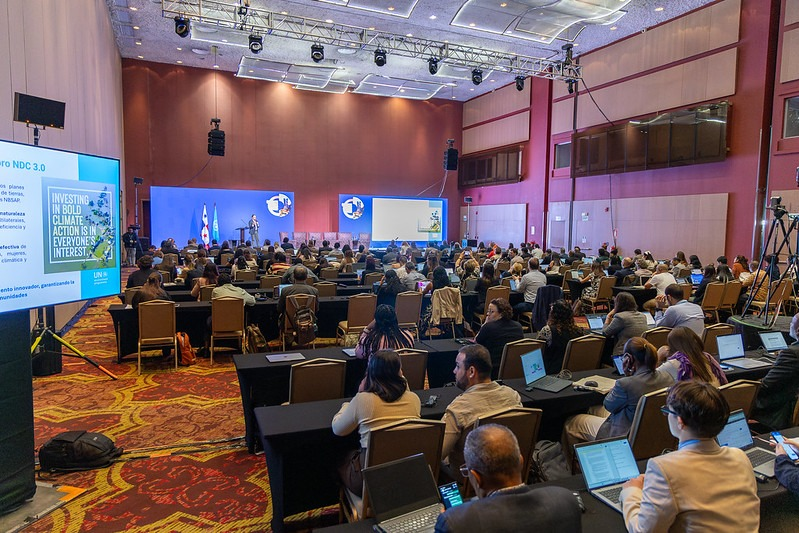
At the heart of the week was the debut of the Implementation Forum—a first-of-its-kind platform that convened stakeholders from government, business, Indigenous Peoples, investors, and civil society. The forum focused on unlocking progress across three critical pillars: finance, technology, and carbon markets.
“This Forum showed that while COPs are essential milestones, the hard work really happens in between them – and these sessions are part of the hard work in between,” said Hamladji.
“A dominant theme emerging through the week was the urgent need for innovative solutions to unlock climate finance, and drive real-world results and implementation,” said UN Climate Change Executive Secretary Simon Stiell. “It was great to see some outside-the-box solutions put forward, at new ‘solutions Labs’ events focused on finance, tech, and carbon markets, and we’ll continue to evolve our approach.”
Finance Lab: Unlocking Capital Through Innovation
The Finance Lab emphasized that climate finance goals must be backed by access and readiness. One of the key advances was the creation of integrated country platforms to align Nationally Determined Contributions (NDCs) and National Adaptation Plans (NAPs) with sectoral investment strategies. These require strong multi-ministry engagement, private sector alignment, and public financial management reforms.
The Lab also spotlighted locally led finance ecosystems, calling for direct access to funds for cooperatives, NGOs, Indigenous communities, and local actors.
Innovative tools like “Climate Finance Speed Dating Events” brought together local leaders, financiers, and development banks to catalyze investments in projects such as solar energy, grid improvements, and resilient infrastructure.
Technology Lab: Responsible Innovation and AI for Climate
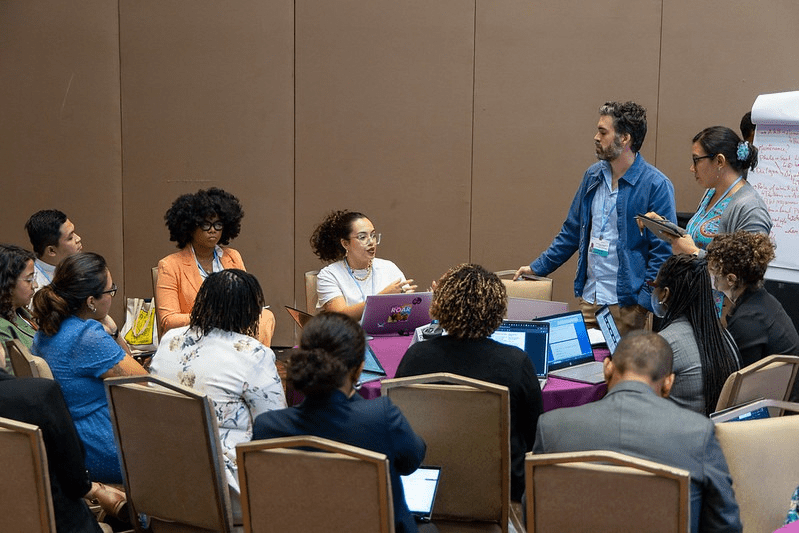
Participants in the Technology Lab urged that innovation must become a core business function. Sessions explored how emerging technologies—especially AI—can accelerate progress when implemented responsibly, considering employment impacts and equity.
UN Climate Change launched the AI for Climate Action Award 2025, a global open-source competition to harness artificial intelligence for practical climate solutions around the world. Delegates also highlighted the need for regulatory frameworks, skills development, and public-private alignment to ensure a just transition to renewable energy systems.
Article 6 / Carbon Markets Lab: Scaling Credible Reductions
The Article 6 and Carbon Markets Lab underscored the operational readiness of the Paris Agreement Crediting Mechanism (PACM). Sessions focused on building upon successful models that delivered both financial and emissions-reduction results.
Speakers emphasized the need for dedicated technical support to ensure developing countries can access finance flows equitably and use carbon markets as powerful tools for achieving NDCs.
“COP30 must kickstart a new decade of implementation and climate action,” said Ana Toni, the National Secretary for Climate Change at Brazil’s Ministry of the Environment and Climate Change and the CEO of COP30. “We owe it to future generations, who will look back and ask why we didn’t do better when we had the chance and knew the seriousness of climate change. The only choice we have is to act urgently and together.”
NDC Clinic: Peer Learning to Drive Country Action
Climate Week hosted the first NDC Clinic of 2025, a hands-on capacity-building event that offered practical peer learning on accessing finance and implementing investment strategies. Delegates strengthened inter-ministerial coordination, explored financial planning tools, and learned how to attract private capital through incentives and blended finance models.
Adaptation Planning: Updated Guidelines and Scaled Implementation
An adaptation-focused session walked countries through updated National Adaptation Plan (NAP) technical guidelines. It featured guidance on mobilizing resources, applying the new NAP framework, and aligning with the Global Goal on Adaptation.
Mandated Events and Strategic Dialogues
Alongside the Labs, Climate Week hosted several mandated events, including:
- Fifth global dialogue under the Sharm el-Sheikh Mitigation Work Programme
- Global DNA Forum on Article 6 implementation
- COP30 Presidency’s Future of the Climate Action Agenda
- “Call to Mobilization” event on the Global Mutirão Framework
- Dialogue on climate-biodiversity synergies led by Colombia
- UAE-led just transition discussions
These sessions contributed to shaping negotiations ahead of the UN Climate Change Meetings in Bonn (SB62) in June and COP30 in November.
Panama’s National Contribution and Vision
“Climate Week has been much more than a place for debate: it has been a springboard for solutions for climate action,” said Noura Hamladji. “Our goal was to move from ambition to implementation, to ensure we emerge from here knowing that more localized progress in the real economy is on the way.”
Juan Carlos Navarro, Panama’s Minister of Environment, emphasized the urgency of collective action:
“I ask and implore you that each of our countries take immediate, concrete actions to stop this devastating crisis, so that Belém may be a celebration of the great global climate consensus and of our unlimited possibilities as a planet and as a species.”
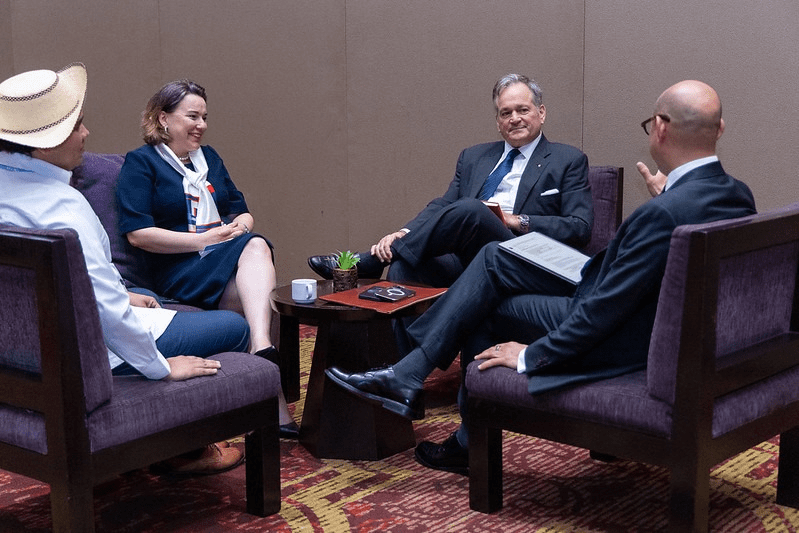
Panama used the event to begin laying groundwork for a global action plan to end deforestation and forest degradation by 2030, a key objective to be adopted at COP30.
“This meeting was a preparatory meeting, as we will hold the climate summit in Belém, Brazil, in November,” said Juan Carlos Monterrey, Director of Climate Change at MiAMBIENTE. “This is the first time the world’s climate change negotiators have met this year, and they have chosen Panama as the venue.”
What’s Next
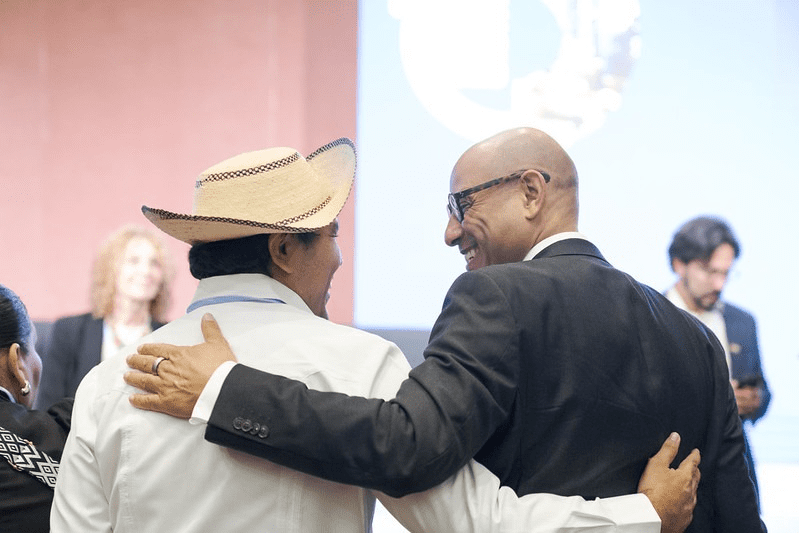
Climate Week Panama hosted over 1,200 registered participants, with a strong blend of in-person and virtual attendees representing governments, NGOs, investors, Indigenous communities, and development banks.
The next Climate Week—set for later in 2025 in Africa—will focus on unlocking finance for implementation and driving investment to regions most in need, continuing the momentum built in Panama.
 Follow SDG News on LinkedIn