La Paz — Bolivia’s election this week did not deliver a clear winner. What it did deliver was a break from nearly 20 years of leftist dominance and a nation standing at the edge of profound change.
The End of an Era
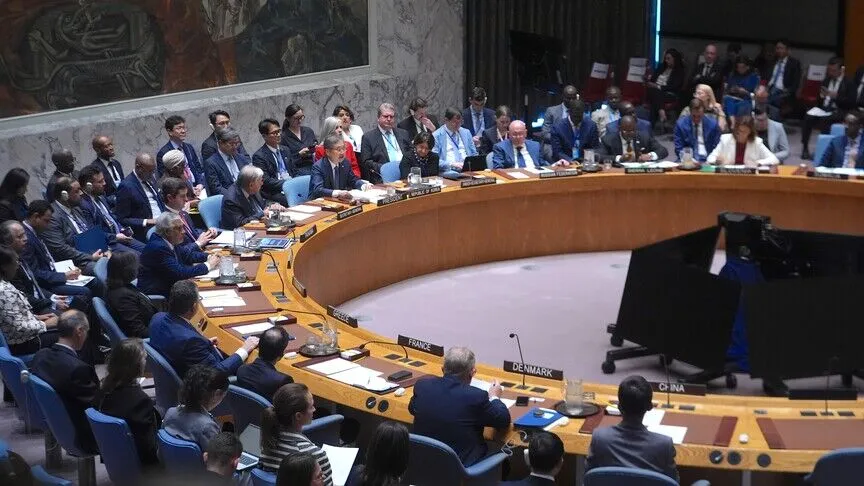
Senator Rodrigo Paz Pereira, a centrist reformer, finished first with roughly a third of the vote, followed closely by conservative former president Jorge “Tuto” Quiroga. Neither secured a majority, sending the country into a runoff in October. For the first time in a generation, the question is no longer whether the left can hold power but what comes next.
The backdrop is grim. Inflation has soared above 20 percent, foreign currency reserves have nearly vanished, and fuel shortages have created long lines across the country. The populist model that once lifted millions out of poverty has faltered under unsustainable subsidies, declining gas exports, and mounting debt. The ruling party of former president Evo Morales, once Bolivia’s most powerful political force, has been relegated to the sidelines, its supporters disillusioned and divided.
Competing Visions for the Future
The two men now vying for power are offering sharply different prescriptions. Paz, the son of a former president, casts himself as a modernizer, promising transparency, decentralization, and a new generation of politics free from the corruption and patronage of the past. Quiroga, who led the country briefly two decades ago, is betting on austerity, privatization, and closer ties to international lenders such as the International Monetary Fund.
Both visions carry risks. A move toward market reforms could stabilize finances and restore investor confidence, but at the cost of social protections that millions of Bolivians have come to depend on. Promises of efficiency and clean government could revitalize institutions, but only if they can withstand the polarization already rippling through the streets.
Climate Questions
One of the striking features of the campaign has been the absence of serious debate over the environment. Bolivia is one of the world’s most biodiverse nations, and its future is tied to the management of lithium reserves in the salt flats, deforestation in the Amazon, and the spread of illegal gold mining. Yet candidates have focused overwhelmingly on immediate economic stabilization.
Environmental groups warn that the urgency of financial recovery could push climate concerns even further down the agenda. If austerity becomes the guiding principle, funding for conservation and resilience programs may shrink. On the other hand, closer ties with international institutions could open the door to new streams of green investment, provided incoming leaders are willing to prioritize sustainability alongside growth.
A Nation at a Crossroads
The runoff in October is shaping up to be a referendum not only on economic models but on Bolivia’s political identity. Is the country prepared to abandon the populist social policies that defined the last two decades in favor of fiscal discipline and global reintegration? Or will the pain of austerity prove too destabilizing for a society already under strain?
For now, Bolivia is caught in a rare moment of uncertainty. The old order has crumbled. What replaces it will set the course for a generation and determine whether the promise of change can deliver something more than disillusionment.
 Follow SDG News on LinkedIn