Scientists warn of irreversible changes that may drive catastrophic sea level rise
Antarctica, the vast frozen continent that helps regulate the Earth’s climate, is undergoing rapid and potentially irreversible transformations that could raise global sea levels by meters and trigger cascading consequences for generations, according to a new scientific review.
The study, published in Nature, brings together findings from leading experts and describes accelerating changes in sea ice, ocean currents, ice sheets, and ecosystems. These shifts are not only affecting Antarctica but are also intensifying warming across the globe.
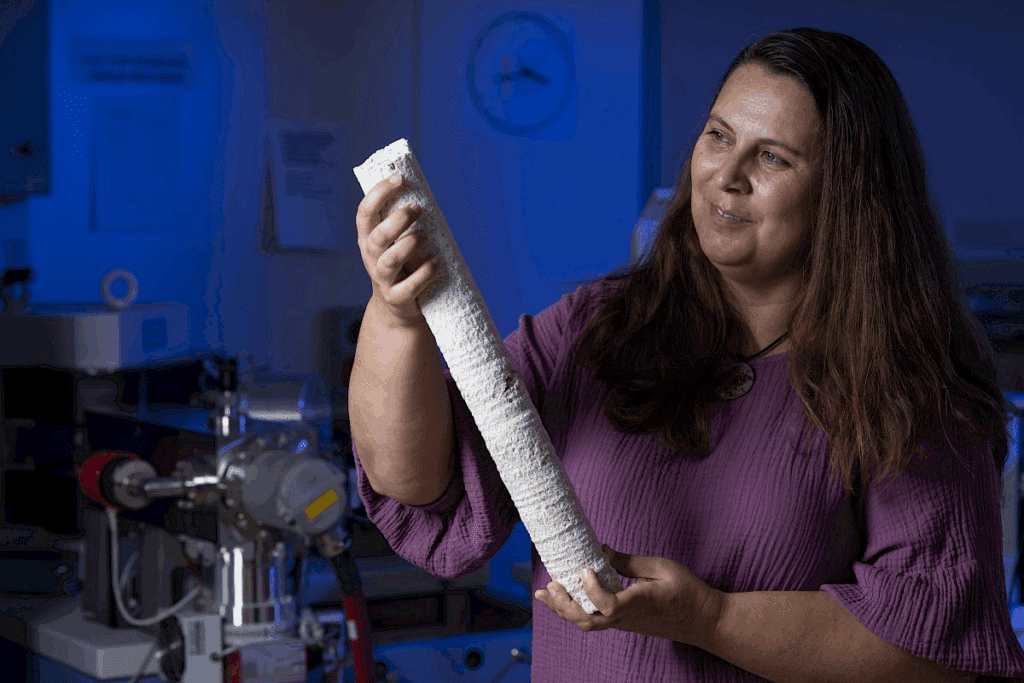
“Antarctica is showing worrying signs of rapid change across its ice, ocean and ecosystems,” said Nerilie Abram, a professor at the Australian National University and lead author of the study. “Some of these abrupt changes will be difficult to stop.”
Sea Ice in Retreat
Satellite records show that Antarctic sea ice has shrunk dramatically over the last decade, retreating an average of 120 kilometers since 2014. The speed of this decline is about three times faster than the loss of Arctic sea ice over nearly half a century.
Floating ice does not directly add to sea level rise when it melts, but its disappearance has profound effects. Bright, reflective ice once bounced sunlight back into space, helping to cool the planet. As it gives way to darker ocean waters, more heat is absorbed, accelerating warming.
In July 2025, daily sea ice extent in both the Arctic and Antarctic fell to the third-lowest level recorded in nearly five decades of satellite monitoring, according to the National Snow and Ice Data Center.
Rising Seas and Ice Sheet Collapse
The greater threat lies with Antarctica’s massive ice sheets and ice shelves, which sit on land. Their collapse would add vast amounts of water to the oceans.
Between 2003 and 2019, Antarctica and Greenland together lost thousands of gigatons of ice, contributing more than half an inch to global sea level rise. Scientists now warn that the West Antarctic Ice Sheet, long considered one of the most fragile tipping points, could collapse with less than 2 degrees Celsius of global warming.
If the Antarctic ice sheet were to melt completely, sea levels would rise by nearly 200 feet. Even partial melting, resulting in a three-meter rise, would submerge coastal areas where hundreds of millions of people live today.
Threats to Life
The changes in sea ice are already devastating wildlife. Emperor penguins, which depend on stable ice to raise their young, have experienced mass die-offs. In 2023, researchers reported that four out of five monitored colonies in the Bellingshausen Sea lost every chick when sea ice broke apart before the birds could swim.
Marine species that rely on sea ice and nutrient flows are also at risk as ecosystems struggle to adapt to abrupt change.
Ocean Currents Weakening
The Antarctic Overturning Circulation, a powerful system of currents that regulates the distribution of heat and nutrients around the world, is also slowing. Evidence suggests a rapid decline has already begun.
A weakening of this system would reduce the ocean’s capacity to absorb carbon dioxide and further intensify global warming. Studies of a previous warm period 125,000 years ago show that the system stagnated under conditions similar to those seen today.
A Critical Choice
The study emphasizes that the pace and extent of these changes will depend on the decisions made in the coming decade.
“The greenhouse gas emission decisions that we make over the coming decade or two will lock in how much ice we will lose and how quickly it will be lost,” Abram said.
Scientists argue that limiting global warming to 1.5 degrees Celsius is essential to slow the destabilization of Antarctica and prepare societies for the changes already underway.
 Follow SDG News on LinkedIn