Today is the day it becomes official.
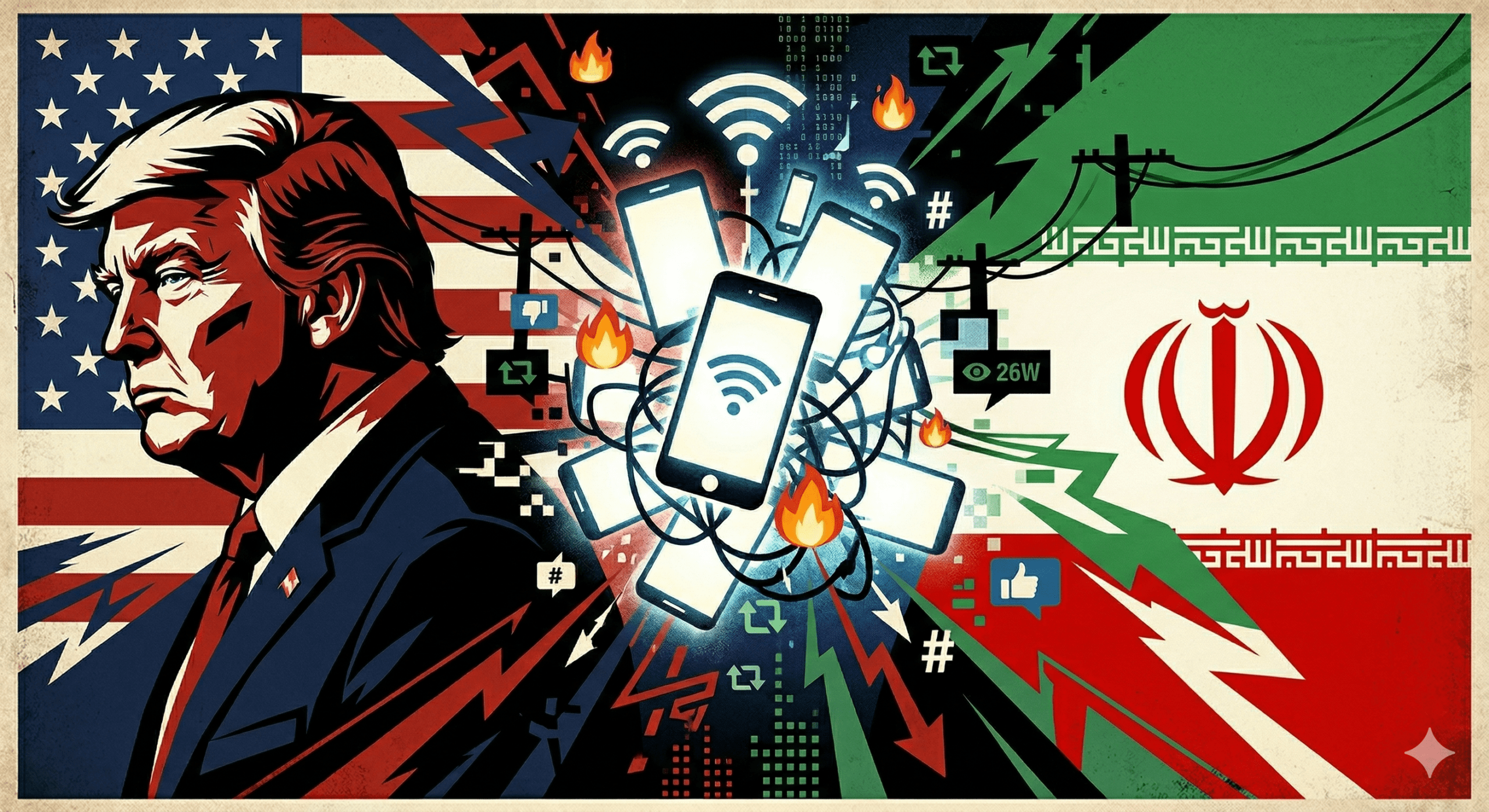
The United States has formally exited the Paris Agreement, completing a yearlong withdrawal process and severing its participation in the world’s most consequential climate accord. With the notification period concluded, Washington is now outside the legal framework that has guided global climate cooperation since 2015.
It is a moment with symbolic weight, practical consequences, and strategic implications that extend far beyond U.S. borders.
A Withdrawal, Finalized
The decision, initiated by President Donald Trump, marks the second time the United States has left the Paris framework. This time, however, it unfolds amid a broader retreat from multilateral institutions and coordinated global governance.
As of today, the United States is no longer bound by the agreement’s reporting obligations, emissions targets, or diplomatic expectations. It will not participate in negotiations, stocktakes, or formal decision-making under the Paris system.
What Changes — And What Does Not
The immediate effect is diplomatic, not mechanical. Paris does not impose penalties, nor does it rely on enforcement. Its power lies in coordination, signaling, and collective momentum.
Those dynamics will now proceed without the world’s largest historical emitter at the table.
Other governments were quick to emphasize that the agreement itself remains intact. Nearly every nation on Earth continues to participate, and many have reaffirmed their commitments. For climate champions, the message is one of continuity, not collapse.
The Consensus Question
Yet beneath the surface, the U.S. departure introduces a strategic shift that many climate-aligned governments are quietly assessing.
The climate regime operates under the United Nations Framework Convention on Climate Change, which functions by consensus. Every major decision requires agreement from all parties.
In recent years, that requirement has increasingly constrained ambition. The United States has often pushed to soften language, delay timelines, or block proposals related to fossil fuels, finance, and accountability.
Its absence changes that dynamic.
Without Washington at the table, the path to consensus may become clearer for countries seeking faster transitions, stronger signals to markets, and more direct acknowledgment of fossil fuel phase-downs. In this sense, America’s withdrawal may paradoxically reduce friction inside the negotiating room.
For climate-forward governments, this is not an argument for celebration — but it is a strategic recalibration.
Leadership Without Washington
The vacuum left by the United States raises a familiar question: who fills the space?
European governments, small island states, and climate-vulnerable nations are expected to press ahead with coordinated leadership. China, whose role has oscillated between restraint and ambition, will face increased scrutiny over whether it steps into a more constructive position or maintains a cautious distance.
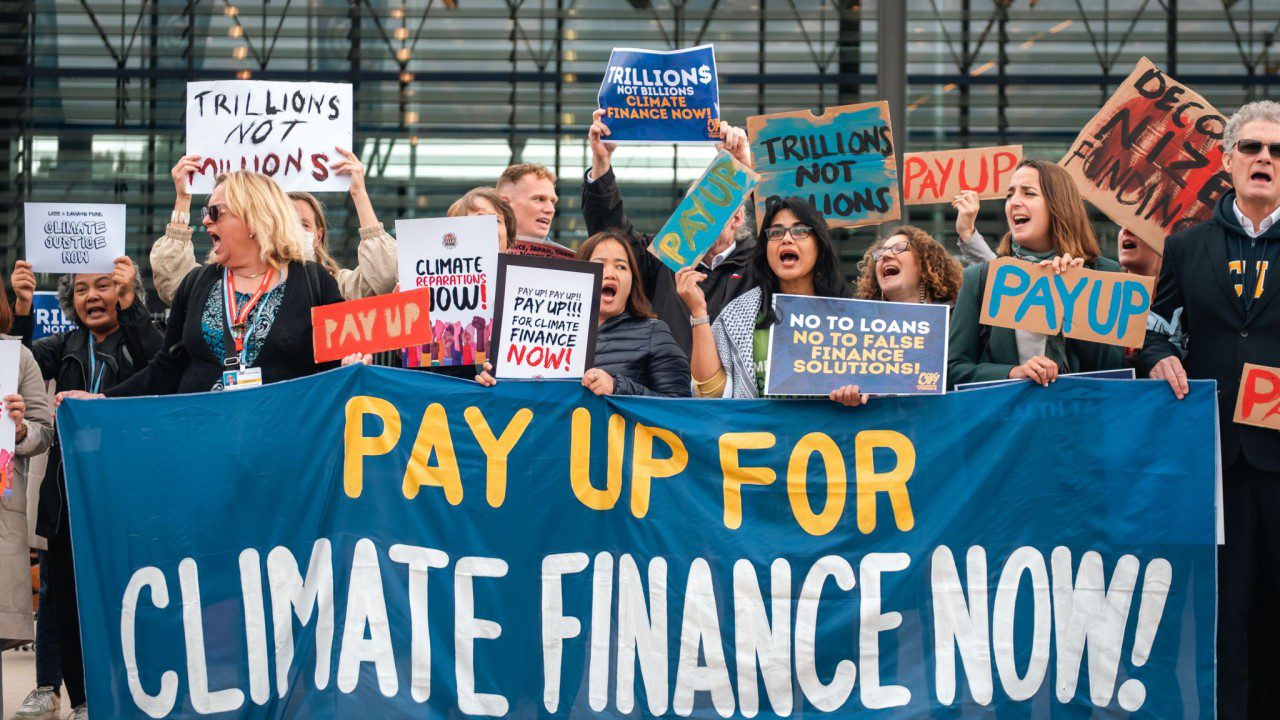
Meanwhile, climate finance, adaptation planning, and market signals will increasingly be shaped by coalitions that exclude the U.S. federal government altogether.
Inside the United States
At home, the picture is more fragmented.
States, cities, corporations, and investors continue to pursue decarbonization, clean energy deployment, and climate disclosure. These efforts remain economically significant and globally relevant, but they no longer carry the imprimatur of national policy.
The result is a dual reality: the U.S. economy continues to move, while U.S. diplomacy stands apart.
A New Phase Begins
Today’s withdrawal closes one chapter but opens another.
The Paris Agreement was designed to endure political swings. It assumed departures, returns, and uneven commitment. What it did not fully anticipate was a world in which consensus itself might become easier without one of its most powerful members.
As climate diplomacy enters this new phase, the question is no longer whether global cooperation can survive without the United States. It is whether, in some respects, it may now move faster.
The answer will begin to emerge not in Washington, but in the rooms where decisions are still being made.
RELATED STORIES:
 Follow SDG News on LinkedIn