The war between the United States and Iran is not only reshaping the Middle East—it is quietly unraveling America’s global standing.
New diplomatic cables reveal a growing sense of alarm inside U.S. embassies around the world. American diplomats are warning Washington that the conflict is damaging relationships, weakening alliances, and fueling a perception that the United States is acting alone in a moment that demands coordination.
A Diplomatic Fallout Beyond the Battlefield
According to the cables, U.S. officials abroad are facing increasing backlash from foreign governments and publics alike. Allies are questioning Washington’s strategy, while partners in key regions are distancing themselves politically—even when they continue to cooperate privately.
This erosion of trust comes as the war has already strained traditional alliances. European partners have shown discomfort with the scale and unilateral nature of U.S. military actions, reflecting broader fractures in transatlantic cooperation.
At the same time, American diplomatic missions are becoming more vulnerable. The conflict has triggered attacks and security threats against U.S. embassies and consulates, forcing evacuations and reducing America’s on-the-ground presence in critical regions.
The Cost of Acting Alone
Behind closed doors, diplomats are warning that the war is reinforcing a narrative of American unpredictability—one that complicates everything from trade negotiations to climate cooperation.
The concern is not just reputational. The war has disrupted global energy markets, driven volatility across economies, and increased the risk of wider instability.
For countries already navigating economic fragility, the perception of U.S. unilateralism is pushing them to hedge—deepening ties with alternative powers and pursuing more independent foreign policies.
A Strategic Opening for Rivals
As U.S. influence wanes in parts of the world, competitors are stepping into the vacuum.
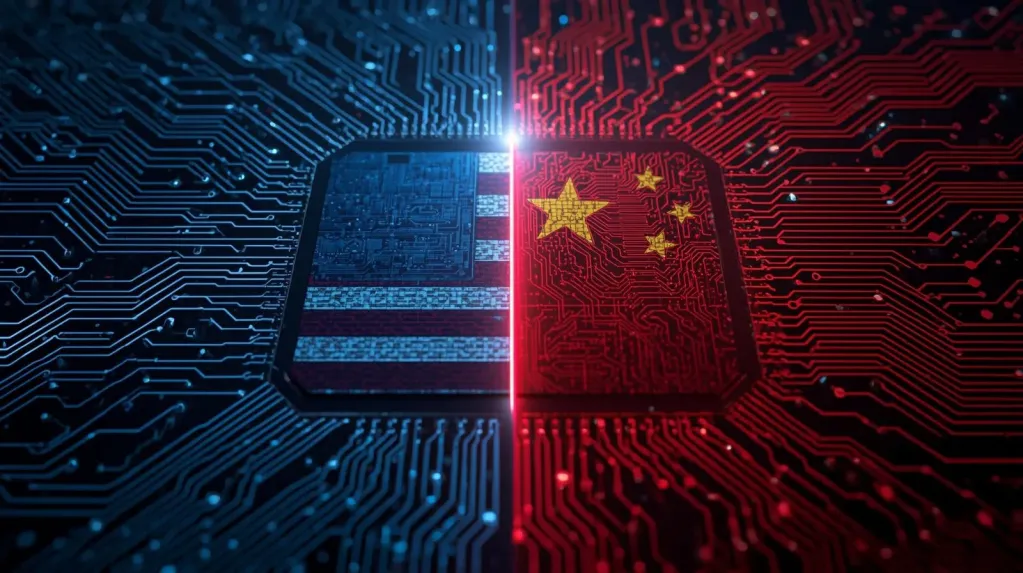
China and regional actors are expanding their diplomatic engagement, positioning themselves as more stable and predictable partners. In a world increasingly defined by multipolar competition, perception matters as much as power—and right now, U.S. credibility is under strain.
Meanwhile, Iran and its network of regional allies are leveraging the conflict to expand asymmetric pressure, including threats to U.S. interests and partners beyond the immediate theater of war.
The Bigger Picture: Power in a Fragmenting World
The cables paint a picture of a deeper shift underway.
This is no longer just a military conflict. It is a test of how global leadership is exercised in an era of fragmentation—where alliances are fluid, narratives travel faster than policy, and legitimacy is as critical as strength.
For the United States, the challenge is no longer simply how to win a war, but how to sustain influence in a world that is increasingly skeptical of how that power is used.
In the words emerging from its own diplomats, the cost of the Iran war may ultimately be measured not only in dollars or deployments—but in the quiet, cumulative loss of trust across the international system.
RELATED STORIES:
- Europe’s Hidden Hand in the Iran War
- The War That Burns Twice: How the Iran Conflict Is Rewriting the Future of Energy
- How the Iran War Is Accelerating the World’s Shift to Energy Independence
- Maersk Suspends Key Shipping Routes as Iran War Disrupts Global Trade
- The Meme War: Iran, Trump, and the Battle for Attention
 Follow SDG News on LinkedIn