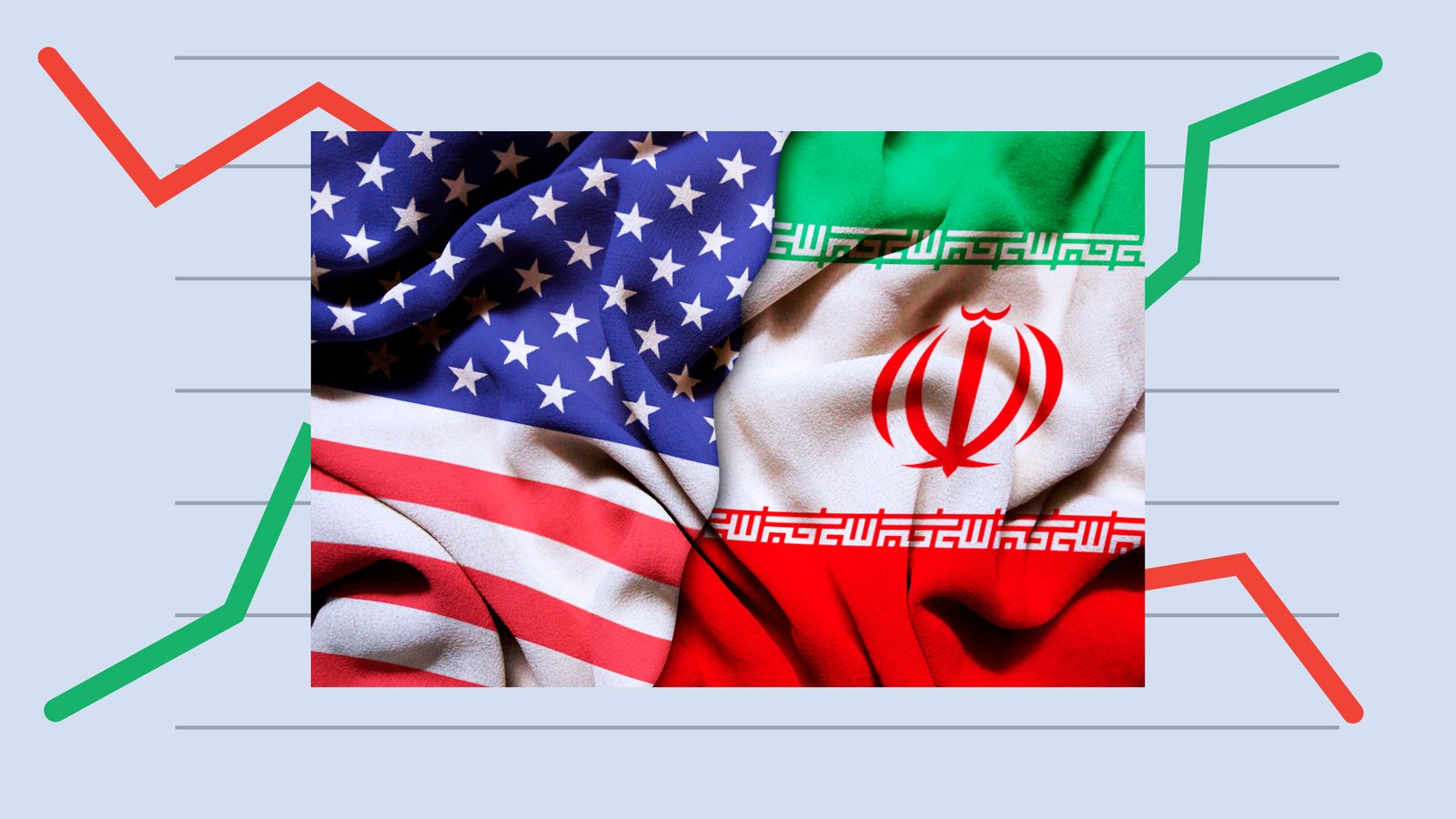
WASHINGTON — President Donald Trump has dramatically reversed course on his proposal to charge ships transiting the Strait of Hormuz, abandoning a plan announced just 24 hours earlier that would have imposed one of the most sweeping new levies ever proposed on global maritime commerce.
In a lengthy post on Truth Social Tuesday, Trump said he had “decided to replace” the proposed fee with investment and trade agreements involving Gulf nations, marking a significant retreat from a policy that immediately drew international attention because of its potential to reshape one of the world’s most important shipping routes.
The reversal comes as the United States resumes military operations against Iran and expands its naval presence in the Persian Gulf.
A Proposal That Would Have Changed Global Shipping
On Monday, Trump announced that the United States would begin charging ships passing through the Strait of Hormuz a fee equal to 20 percent of the value of their cargo—a proposal that stunned governments, energy markets and the global shipping industry.
Trump argued that because the U.S. Navy was protecting the waterway through renewed military operations against Iran, the United States should be compensated by those benefiting from its security.
“The United States is the Guardian of the Strait of Hormuz,” Trump wrote Monday, arguing that countries relying on the passage should help pay for its protection.
He also called on Gulf states to reimburse the United States for its military role in securing the region, contending that decades of American security guarantees had enabled the region’s energy exports and economic prosperity.
The proposal represented a fundamental departure from longstanding international maritime practice. Rather than treating freedom of navigation as a shared public good protected under international law, the administration sought to transform maritime security into a service for which commercial users would pay.
Because the Strait of Hormuz carries roughly one-fifth of globally traded oil as well as significant volumes of liquefied natural gas, analysts immediately warned that such a fee could ripple through global energy prices, shipping costs and supply chains.
A Sudden Reversal
By Tuesday, however, Trump had abandoned the proposal.
In his Truth Social post, he said discussions with regional partners had led him to pursue a different approach.
Instead of collecting fees from vessels, he said Gulf countries would increase investment in the United States and expand trade relationships.
While Trump suggested the resulting investment commitments would be substantial, he provided no details on participating countries, the size of any agreements or whether negotiations had already concluded.
“Open to ALL Ship Traffic Except for Iran”
Although retreating from the fee proposal, Trump reiterated that the United States would continue enforcing its renewed naval blockade against Iran.
In his post, he declared that because of U.S. leadership the Strait of Hormuz is now “open to ALL Ship traffic except for Iran,” asserting that only Iranian vessels and customers would be denied access.
The statement underscores the administration’s effort to portray the military operation as a targeted blockade against Iran rather than a closure of one of the world’s busiest maritime corridors.
Shipping Remains Well Below Normal
Despite Trump’s claim that the strait remains open for international commerce, shipping activity has fallen sharply since the latest round of fighting began.
Many commercial operators continue to delay voyages or reroute vessels because of heightened security risks, while insurers have increased war-risk premiums for ships entering the Gulf. The result has been a significant reduction in commercial traffic even without a formal closure of the waterway.
The rapid reversal illustrates how quickly U.S. policy surrounding the Strait of Hormuz is evolving as military operations intensify. Just one day after proposing a sweeping new system that would have required the world’s shipping companies and Gulf partners to effectively pay the United States for maritime security, the administration is now pursuing investment diplomacy instead—while maintaining military pressure on Iran.
RELATED STORIES:
 Follow SDG News on LinkedIn