Costa Rica has long defined itself by what it chose not to have. No standing army. No oil drilling. Few countries have so deliberately woven restraint into their national identity. Now, following a decisive election, the country is testing whether that identity can endure a new phase of political power concentrated in fewer hands.
Last week, Laura Fernández Delgado, a former minister and close ally of outgoing president Rodrigo Chaves, won Costa Rica’s presidency outright in the first round. She described her victory as “the continuity of change,” a phrase that neatly captured both the promise and the tension of the moment.
Fernández not only secured the presidency. Her party, the Sovereign People’s Party, also won a majority in the country’s Legislative Assembly of Costa Rica. It is a rare outcome in a political system long defined by fragmentation, coalition bargaining, and institutional checks.
The result marks the first time since 1990 that a Costa Rican president has entered office with their party holding a governing majority in Congress. For supporters, it offers the possibility of long delayed reforms finally moving forward. For critics, it raises questions about balance, restraint, and the durability of the country’s democratic and environmental guardrails.
A Green Identity Forged Over Decades
Environmental stewardship in Costa Rica is not an afterthought or a campaign slogan. It is foundational, as central to the country’s self image as its 1948 decision to abolish its military.
Over the past half century, Costa Rica built one of the most ambitious conservation frameworks in the developing world. It pioneered payments for ecosystem services, expanded protected areas to cover more than a quarter of its territory, and reversed deforestation so successfully that forests now cover well over half the country.
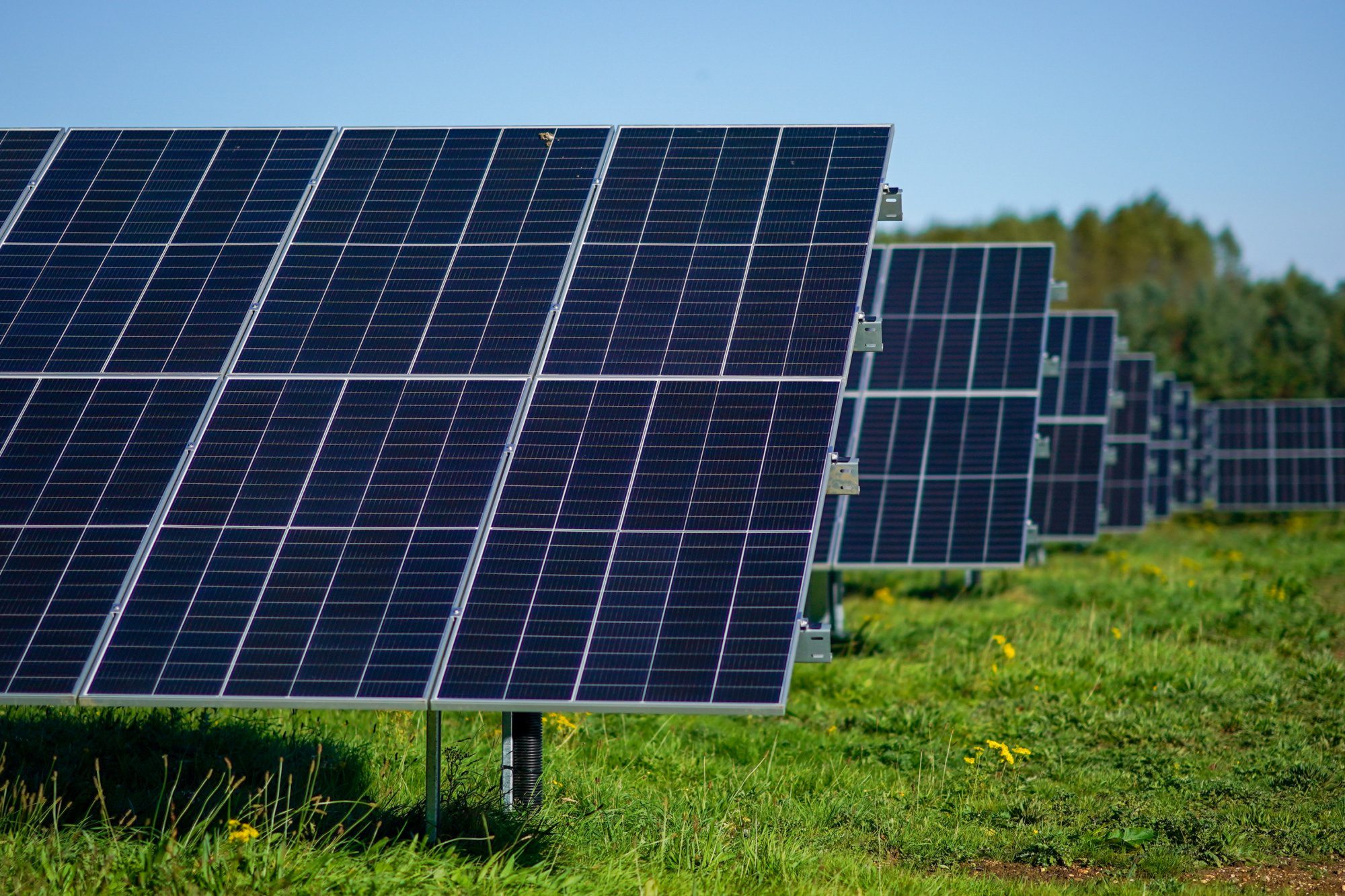
Clean energy followed a similar trajectory. Today, Costa Rica generates the vast majority of its electricity from renewable sources, led by hydropower, geothermal, wind, and solar. State led utilities invested early in grid stability and long term planning, allowing the country to decouple electricity growth from fossil fuels well before climate targets became mainstream.
Perhaps most symbolically, Costa Rica imposed a moratorium on oil and gas exploration more than two decades ago. Though enacted through executive action rather than permanent legislation, the ban became a pillar of the country’s international reputation, aligning Costa Rica with a vision of development rooted in biodiversity, tourism, and ecological resilience.
Environmental concerns, in short, have held a central place in Costa Rica’s identity for years, much like its lack of a standing army. That history now looms large as political power consolidates.
Power, Stability, and a Rare Congressional Majority
The significance of Fernández’s victory lies not only in her presidency but in the alignment of the executive and legislative branches. Costa Rica’s multiparty system has historically prevented any single party from dominating governance. Presidents have typically governed through fragile alliances, limiting both ambition and overreach.
The last time a Costa Rican president governed with a congressional majority, in 1990, the country was emerging from a period of regional instability and economic restructuring. That era reshaped trade policy and public institutions but also entrenched the importance of consensus politics in a divided region.
Fernández now governs under very different conditions. Crime has risen. Economic inequality has sharpened. And public frustration with institutional paralysis has grown. Her supporters argue that a governing majority offers clarity and decisiveness. Her critics warn that it may test institutional norms that have long protected Costa Rica from the democratic backsliding seen elsewhere.
Costa Rica in a Shifting Latin America
The election unfolds against a turbulent regional backdrop. Across Latin America, voters have swung between ideological poles, often driven less by doctrine than by impatience with insecurity, inflation, and corruption. From Argentina to El Salvador, presidents have consolidated power by promising order and efficiency over process.
Costa Rica has largely resisted these extremes, maintaining an independent judiciary, a free press, and strong electoral institutions. Fernández has pledged to uphold those traditions. But her political lineage and commanding legislative position place her at the center of a broader regional question, whether stability can be preserved while accelerating reform.
In this sense, Costa Rica is no longer an outlier looking in from the margins. It is part of a continental conversation about governance, security, and the tradeoffs of power.
Clean Energy, Development, and What Comes Next
One of the most closely watched issues will be whether Costa Rica’s environmental leadership remains anchored in law rather than tradition alone. The fossil fuel moratorium, long a symbol of climate ambition, remains vulnerable without legislative protection. Clean energy infrastructure continues to expand, but financing, grid modernization, and climate resilience will require sustained political commitment.
Fernández has framed sustainability not as ideology but as national interest. Her challenge will be translating that language into durable policy while managing competing pressures around economic growth and public security.
Looking Ahead
Costa Rica enters this new chapter with advantages few countries possess, deep institutional memory, broad public support for environmental protection, and a clean energy system already largely in place.
Whether Fernández’s “continuity of change” strengthens that legacy or quietly reshapes it will depend on how power is used, and restrained, in the years ahead. In a region grappling with democratic uncertainty, Costa Rica’s next steps may offer a quiet but consequential lesson, that progress does not always require reinvention, but it does demand vigilance.
RELATED STORIES:
 Follow SDG News on LinkedIn