A new global analysis of more than 220 institutional investors reveals that climate change has become a defining factor in how the world’s largest asset owners and managers assess risk, allocate capital, and engage with policymakers. Released ahead of COP30 in Belém, the Global State of Investor Climate Action report finds that while investors increasingly integrate climate into decision-making, significant ambition and disclosure gaps persist across regions.
Climate risk becomes financial risk
According to the report, 75% of investors now assess the financial risks and opportunities that climate poses to their portfolios, with an equal share instituting board-level oversight of climate strategies. This marks a shift from viewing climate change as a reputational issue to recognizing it as core to financial governance.
Transition planning is also maturing. Nearly two-thirds of investors (65%) track and disclose at least one portfolio emissions metric, and over half have adopted targets for net-zero portfolio emissions by 2050. More than 50% now publicly disclose transition plans or elements of their strategies.
“Climate-related considerations are now widely understood as financially material by institutional investors, who have deeply embedded them in their decision-making,” said David Atkin, CEO of PRI. “Where governments provide clear policy signals, investors have demonstrated they will respond decisively.”
Momentum builds, but investment gaps remain
Despite broad recognition of climate risk, barriers to scaling climate solutions persist. Seventy percent of investors surveyed reported making climate solutions investments, yet fewer than one-third have committed to increasing these allocations.
“Investors are acting on climate risks because they’re real and they’re already material to financial returns,” said Rebecca Mikula-Wright, CEO of AIGCC and IGCC. “If governments want to meet their development and climate goals, they’ll need to accelerate big investments into sustainable energy, resilience, and climate solutions — especially in the Asia Pacific.”
Regional disparities remain a defining challenge. The report warns that uneven ambition and inconsistent regulatory environments threaten to undermine global progress. While European and North American investors continue to lead on transition planning and disclosure, gaps persist in emerging markets where access to data and policy stability are limited.
Policy alignment and private finance at COP30
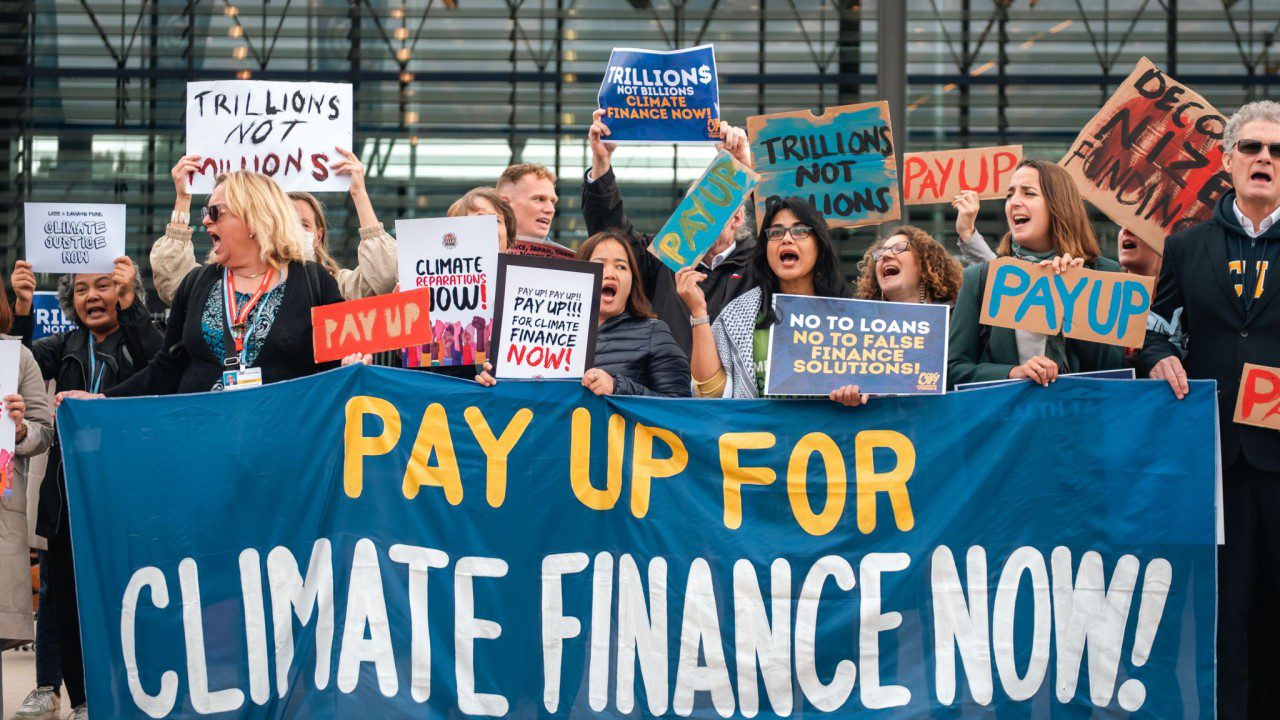
The findings arrive as COP30 negotiators debate how to close the climate finance gap — from $300 billion currently mobilized each year to $1.3 trillion by 2035 under the “Baku to Belém Roadmap.” Institutional investors, the report notes, are pivotal to reaching that scale but require policy clarity to invest confidently in transition assets.
“This research highlights how many investors are responding to the financial risks and opportunities posed by climate change,” said Stephanie Pfeifer, CEO of IIGCC. “The transition to a decarbonised global economy could become a defining investment trend over the next decade, but it hinges on clear and decisive policy frameworks.”
Mindy Lubber, CEO and President of Ceres, added: “Investors must now look to increase the pace and scale at which they act to accelerate the transition to a cleaner, more resilient economy.”
Beyond carbon: nature and just transition enter portfolios
Nature-related disclosures and social dimensions of the transition are rapidly gaining traction. Sixty percent of investors include nature considerations in their transition plans, and over one-third (36%) disclose just transition elements within their investment strategies.
“With the 10th anniversary of the Paris Agreement and COP30 on the horizon, this report underscores both the progress made and the critical gaps that remain,” said Eric Usher, Head of UNEP FI. “Investors have a pivotal role to play in driving the transition to a net-zero economy — and must step up ambition.”
The Investor Agenda’s next phase
Developed by the Founding Partners of the Investor Agenda — AIGCC, IGCC, Ceres, IIGCC, PRI, and UNEP FI — the report was produced in partnership with Manifest Climate, which assessed disclosures using AI against leading global frameworks, including the ICAPs Expectations Ladder.
Read the Global State of Investor Climate Action Report
- SDG News Rising Star: Nathalie Flores, A Transformative Leader in Global Climate Governance
- Climate Impact Partners Urges SBTi to Prioritize Pragmatism in Net-Zero Standard Overhaul
- Why Nature Reporting Is Now Essential for Business: UN Global Compact
- Matthew Sekol: The First to Fall – Companies at a breaking point
- Global Investors Controlling $3 Trillion Call for Policy Action to Halt Deforestation by 2030
 Follow SDG News on LinkedIn