As conflict in the Middle East continues to disrupt global supply chains, Somalia’s deepening hunger crisis is colliding with another devastating reality: the collapse of international humanitarian support following sweeping cuts to U.S. foreign aid programs.
According to reporting from The New York Times, aid groups operating in Somalia warn that the combined effects of the Iran war, soaring transport costs, shipping disruptions, and the dismantling of large portions of the United States Agency for International Development (USAID) are rapidly accelerating a humanitarian emergency that was already approaching famine conditions.
The result is a cascading crisis hitting the world’s most vulnerable children first.
Therapeutic Food Shortages Are Becoming Deadly
Somalia currently has nearly half a million children suffering from severe acute malnutrition, the deadliest form of hunger. Clinics across the country rely on imported therapeutic milk and peanut-based nutritional paste to keep those children alive.
But aid organizations say deliveries that once took roughly a month are now taking more than two months as vessels avoid conflict zones and reroute around the Gulf and Red Sea. Costs have exploded alongside delays. Reuters reported that a carton of therapeutic food that once cost around $55 now costs nearly $200 in some cases.
In cities like Baidoa and Mogadishu, health workers are reportedly rationing supplies, reducing dosages, and turning families away because shelves are empty. Aid officials fear thousands of children could die from interruptions in treatment that would have been preventable only months ago.
A Humanitarian System Hollowed Out
The crisis comes amid one of the sharpest contractions in U.S. humanitarian engagement in decades.
The New York Times reports that cuts to USAID and broader U.S. humanitarian programs have dramatically reduced the international response capacity available to countries like Somalia. The United Nations has already warned that more than 60,000 severely malnourished Somali children went untreated after aid reductions forced the closure of hundreds of health facilities. That figure could rise substantially if funding gaps persist.
Somalia was also reportedly excluded from a recent round of emergency humanitarian allocations distributed through the U.N. Office for the Coordination of Humanitarian Affairs, despite worsening conditions on the ground.
The timing has proven devastating. Just as aid systems weakened, the Iran conflict triggered new global economic shocks that disproportionately affect import-dependent fragile states.
Global Conflict, Local Consequences
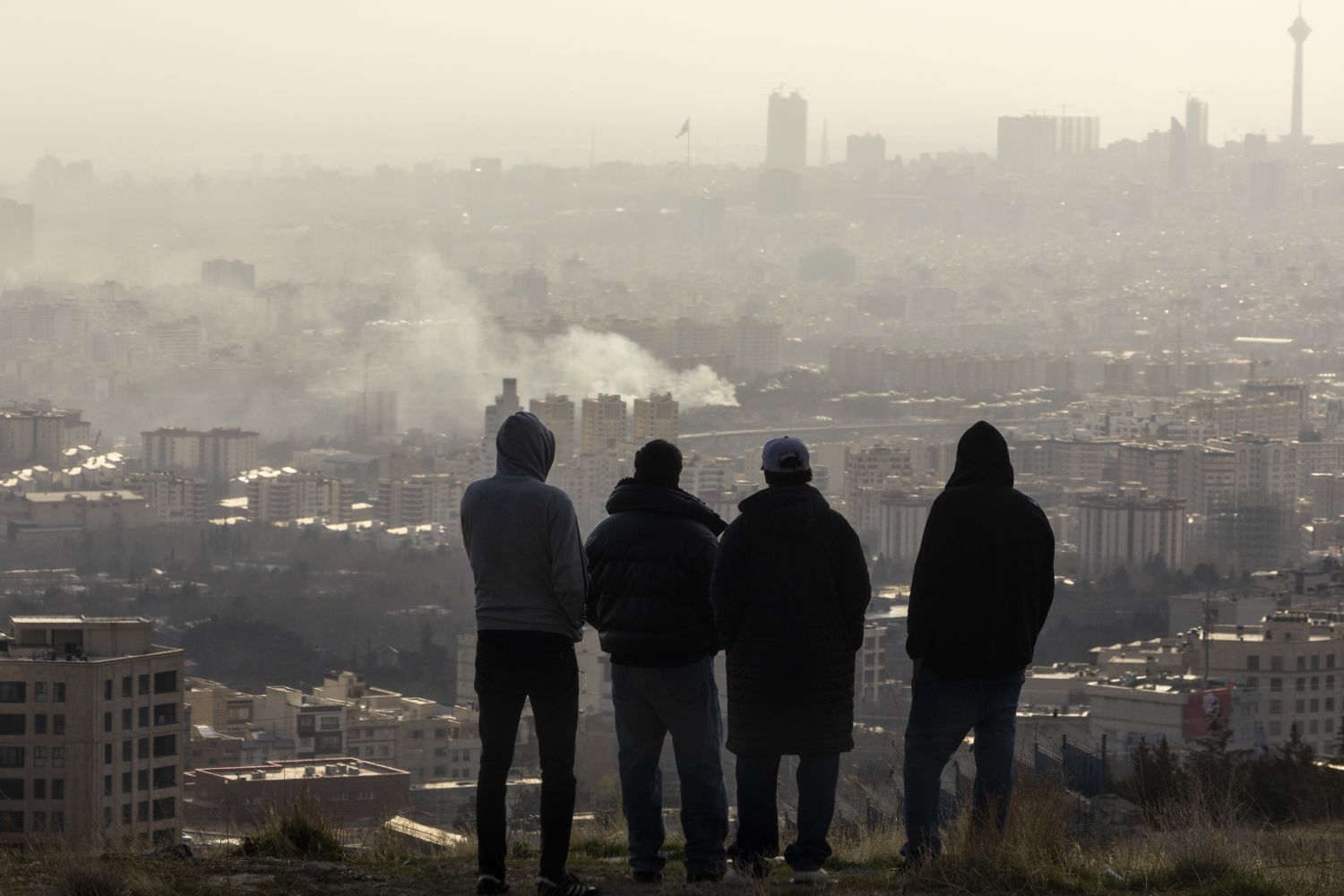
The war involving the United States, Israel, and Iran has already disrupted energy markets and shipping routes across the Gulf region. Iran’s closure of critical maritime corridors and escalating military exchanges have contributed to rising fuel prices and major shipping bottlenecks.
For Somalia, which imports much of its food and fuel, those disruptions are reverberating through every layer of society.
Aid agencies say domestic fuel prices surged roughly 150% following the escalation of the war, dramatically increasing the cost of transporting food and medical supplies across the country.
At the same time, prolonged drought, displacement, and economic fragility continue to push millions deeper into hunger. U.N.-backed food security monitors now classify more than two million Somalis in emergency-level hunger conditions, one step below famine.
The Growing Debate Over Global Priorities
The Somalia crisis is increasingly becoming a symbol of a broader global debate over political priorities and international responsibility.
Humanitarian organizations argue that while governments continue allocating massive resources toward military operations and geopolitical competition, funding for life-saving assistance is shrinking precisely when climate shocks, conflict, and economic instability are converging across vulnerable regions.
For frontline countries like Somalia, the distinction between geopolitical conflict and humanitarian policy is no longer abstract. Decisions made in Washington, Tehran, and global shipping corridors are now directly shaping whether clinics can feed children thousands of miles away.
And for many aid workers on the ground, the fear is no longer about deterioration in the months ahead.
It is about how many lives can still be saved before supplies run out entirely.
RELATED STORIES:
 Follow SDG News on LinkedIn