European powers deepen Gulf security cooperation as global trade routes remain under pressure
The United Kingdom, France and Oman have announced a new agreement to strengthen maritime security in Oman’s territorial waters, marking the latest international effort to protect one of the world’s most strategically important shipping corridors following months of instability in and around the Strait of Hormuz.
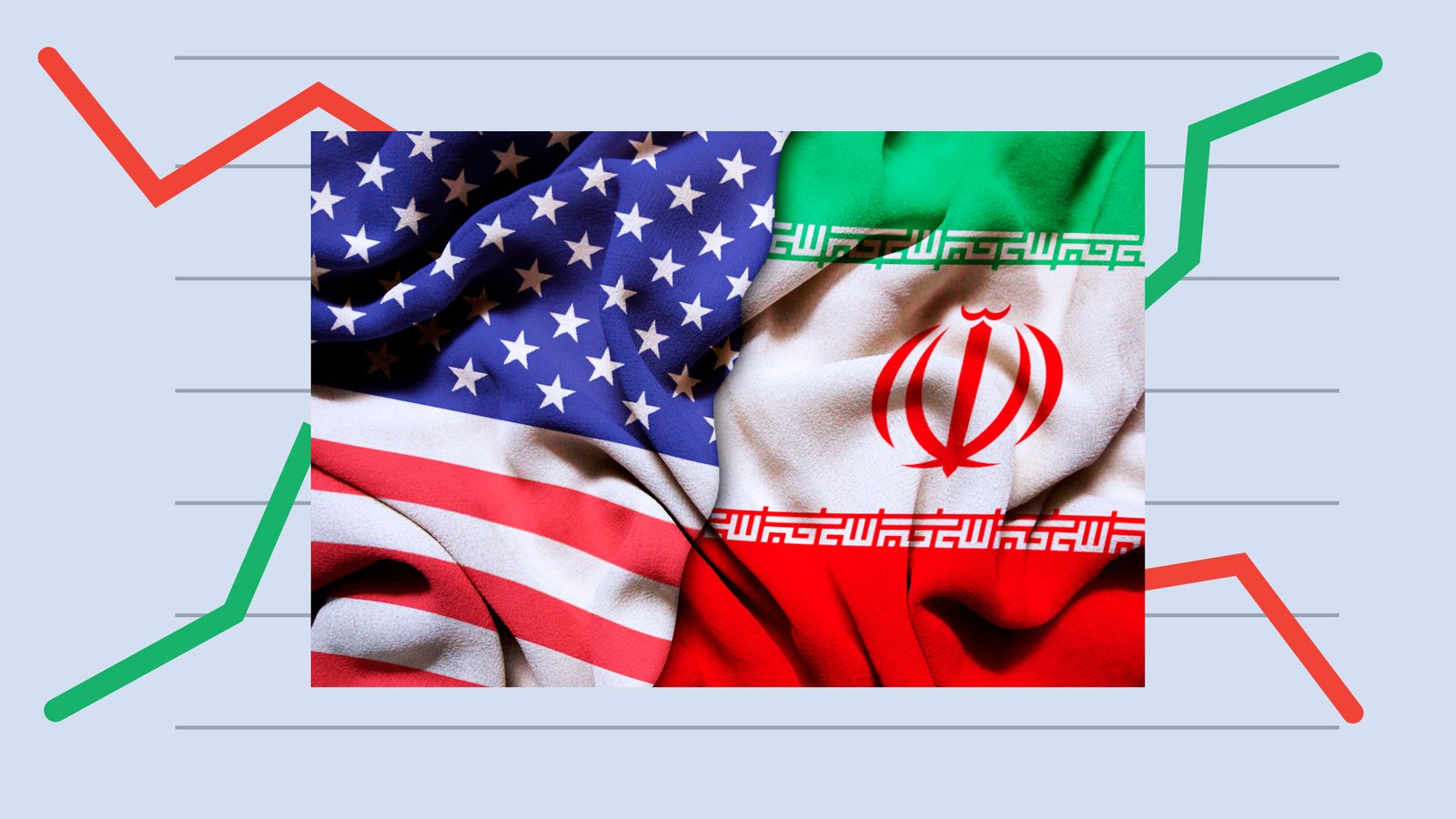
The agreement comes as commercial shipping gradually resumes through the Strait after the recent U.S.-Iran agreement to reopen the vital waterway, although insurers, shipping companies and governments remain cautious following months of conflict that disrupted global energy markets.
Under the joint initiative, Oman will work with London and Paris to ensure the safety of navigation within its sovereign waters. The United Kingdom and France also reaffirmed that they are prepared to deploy a broader multinational maritime mission dedicated to protecting freedom of navigation in the Strait of Hormuz if required.
A Critical Artery for the Global Economy
Roughly one-fifth of the world’s oil trade normally passes through the Strait of Hormuz, making its security a matter of global economic importance.
In their joint statement, British Prime Minister Keir Starmer and French President Emmanuel Macron described the Strait as “a vital artery for the global economy,” emphasizing that restoring safe passage for vessels of all nations is in the international community’s shared interest.
France has already deployed mine-countermeasure vessels, accompanied by frigates and maritime patrol aircraft, to the region as part of its defensive posture aimed at supporting commercial shipping.
Strategic Implications Beyond Energy
The announcement reflects Europe’s growing willingness to take a more visible role in protecting international trade routes without directly expanding the broader military conflict that engulfed the region earlier this year.
Unlike offensive military operations, the proposed multinational mission is framed as a defensive effort focused on ensuring safe commercial navigation, reducing risks to civilian shipping and supporting regional stability alongside Gulf partners.
The initiative also highlights Oman’s continued role as a trusted regional interlocutor. Long recognized for its balanced diplomacy, the Gulf nation has again positioned itself at the center of efforts to reduce tensions while protecting international commerce.
Protecting Trade and Economic Stability
Reliable maritime trade underpins global food supplies, energy security and economic stability, making the protection of major shipping lanes increasingly important to countries far beyond the Gulf.
Disruptions in the Strait of Hormuz can quickly affect fuel prices, transportation costs, supply chains and inflation, with the greatest consequences often falling on import-dependent and economically vulnerable countries.
As geopolitical tensions continue to reshape global commerce, the ability of nations to cooperate in protecting international waterways is becoming an increasingly important component of economic resilience and international stability.
RELATED STORIES:
- Trump Moves to Charge the World for Passage Through Strait of Hormuz
- Tanker Strike Near Strait of Hormuz Tests Fragile U.S.-Iran Talks
- Trump Threatens Military Action Against Oman Amid Escalating Strait of Hormuz Dispute
- Trump Pushes to Rescue Fragile Iran Peace Deal as Strait of Hormuz Returns to Center of Global Stability
 Follow SDG News on LinkedIn