Brussels — The European Union has agreed to slash greenhouse gas emissions by 90 percent by 2040, setting the stage for the bloc’s long-term climate policy ahead of COP30 in Belém, Brazil. But the compromise deal — brokered under Denmark’s EU Council presidency — adds new flexibilities that could allow member states to rely on international carbon credits and industrial removals for part of the target, softening the domestic effort required.
The agreement, reached after marathon talks among environment ministers in Brussels, gives the EU a unified position before next year’s negotiations on its next climate milestone. It also exposes the delicate balance between maintaining ambition and preserving industrial competitiveness.
Balancing ambition and flexibility
Under the new framework, EU governments endorsed a net 90% reduction in greenhouse gas emissions by 2040 compared with 1990 levels. The deal includes a clause permitting up to 5% of the target to be met using “high-quality” international carbon credits from 2036 onward. Ministers also left open the possibility of an additional 5% offset allowance pending future reviews — effectively meaning domestic reductions could fall as low as 80% if both tranches are used.
The Council further agreed that permanent carbon removals—such as direct air capture or long-term storage technologies—can play a role within the EU Emissions Trading System (ETS) for hard-to-abate sectors. The inclusion of these mechanisms marks a significant shift in EU climate architecture, aligning decarbonization with emerging carbon markets but also raising questions about environmental integrity.
“This deal secures the EU’s leadership in global climate diplomacy while keeping our industries competitive and our citizens protected,” Danish Climate Minister Lars Aagaard said after the session.
Carbon credits enter the mainstream
The decision represents the EU’s most explicit endorsement yet of carbon trading and removals as tools for achieving long-term climate goals. While carbon credits have existed at the project level, their integration into official EU targets will tie the bloc’s ambition to the global carbon market emerging under Article 6 of the Paris Agreement.
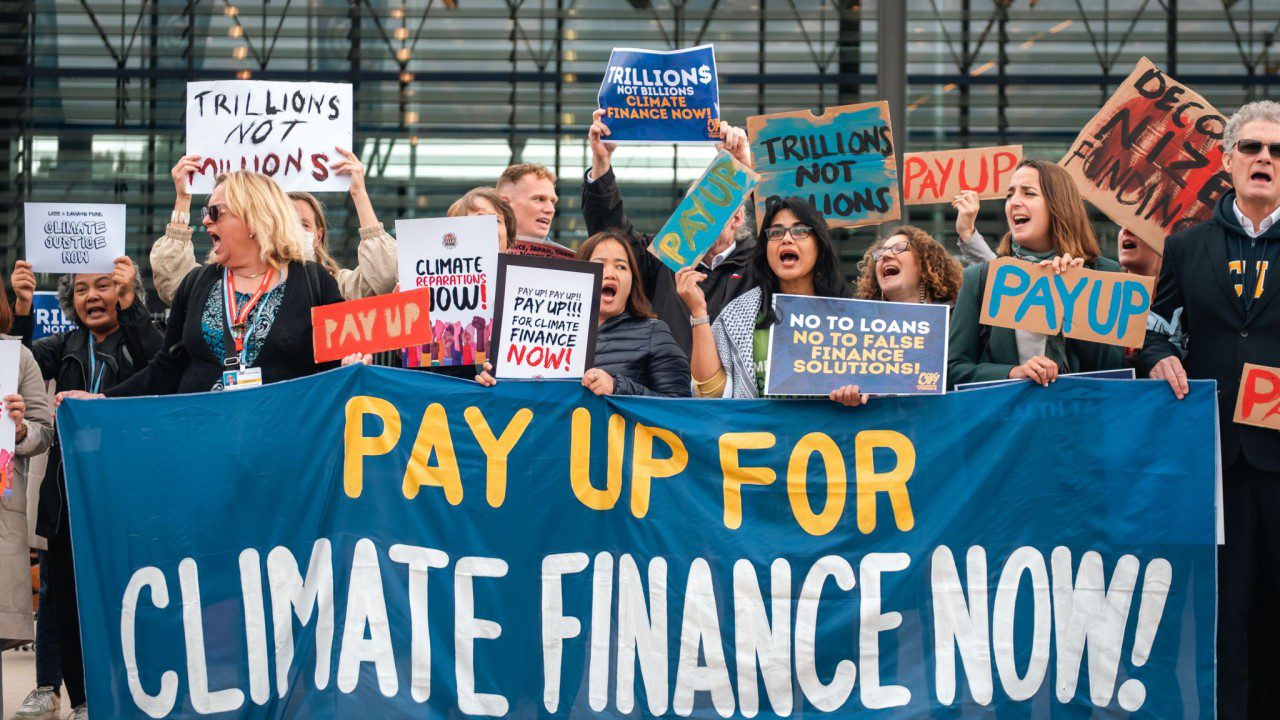
Proponents say it will help mobilize finance to developing nations, funding climate adaptation and forest protection projects abroad. Critics counter that it risks outsourcing Europe’s decarbonization and weakening domestic cuts, particularly if credit quality standards are loosely defined.
The European Parliament, which must now negotiate the final text in trilogue talks, is expected to push for stricter limits on offsets and a narrower role for removals within the ETS.
Linking to 2030 and 2035
The 2040 target builds on the EU’s legally binding 2030 goal of a 55% emissions reduction and establishes an indicative 66–72% range for 2035, recently filed as part of the EU’s updated Nationally Determined Contribution (NDC) under the Paris Agreement. Together, these milestones create a trajectory toward climate neutrality by 2050.
However, the inclusion of credits and removals means the pathway between 2030 and 2040 will depend as much on financial architecture as on physical decarbonization. The Council introduced a review clause allowing future adjustments based on competitiveness, energy prices, social impacts, and technological progress — effectively turning the 2040 goal into a managed transition framework rather than a fixed ceiling.
Economic and geopolitical implications
For investors and policy planners, the deal signals a new era in “climate realpolitik.” Rather than setting a single binding trajectory, the EU is embedding flexibility as a policy instrument. The change reflects political realities: member states with heavy industrial bases — including Germany, Poland, and the Czech Republic — sought safeguards against energy-cost shocks, while others, such as Denmark and the Netherlands, pushed for preserving credibility ahead of COP30.
The timing is strategic. The Council’s decision arrives just weeks before global leaders convene in Belém, allowing the EU to claim unity and renewed ambition on paper, even as it navigates internal trade-offs. The introduction of international credits could also influence broader Article 6 carbon market negotiations, potentially setting standards for how wealthy blocs invest in mitigation projects in developing economies.
Environmental advocates warn that this approach may set a precedent for “exported emissions accounting” if poorly regulated. Yet EU officials argue it reflects maturity: a pragmatic pathway that keeps Europe on track for net zero while acknowledging the pace of industrial transformation required.
Toward a flexible net-zero model
The 2040 compromise underscores a shift in how major economies view climate commitments. The EU is moving from binding quotas toward adaptive frameworks that evolve with technology and geopolitical pressures. For governments in developing regions, the deal’s allowance for high-quality international credits could unlock new demand for verified carbon projects and nature-based solutions — a potential lifeline for countries with abundant forests and limited fiscal space.
Whether this flexibility strengthens or dilutes ambition will hinge on how Brussels defines “high-quality” and how quickly permanent removals scale. The debate is now less about if the EU will decarbonize, and more about how and where those reductions occur.
As the bloc heads into COP30, the message is dual: Europe remains committed to its climate-neutral 2050 vision, but its route there will be charted through markets, technologies, and managed risk — not ideological rigidity.
RELATED CONTENT:
- Basel Committee Unveils Voluntary Climate Risk Disclosure Framework for Banks
- EU Proposes 90% Emissions Cut by 2040 Under Amended Climate Law
- EY Predicts Smart-charging and V2G Tech Could Deliver €4bn Annual Savings for Europe by 2030
- Watt’s Next? AI’s Green Power Play
- Nestlé Cuts Emissions 20% Ahead of Schedule, But Net Zero Path Faces Scrutiny
 Follow SDG News on LinkedIn