As the war involving the United States, Iran and Israel expands across the Middle East and reverberates through global energy and financial markets, European powers have largely stayed out of direct combat. Instead of deploying forces or joining offensive operations, capitals from Paris to London and Berlin have urged restraint, diplomacy and de-escalation.
In previous U.S.-led wars, European governments were typically part of a visible coalition, even when contributions varied. This time, the operational decisions were made quickly and without a concerted effort to enlist Europe militarily. The result is a striking asymmetry: Europe is deeply exposed to the economic and security consequences of the war, yet largely absent from its execution.
A Deliberate Distance
European leaders have been explicit about their posture. France, Germany and the United Kingdom have condemned regional violence and called for negotiations while stressing that they did not participate in the initial strikes on Iran.
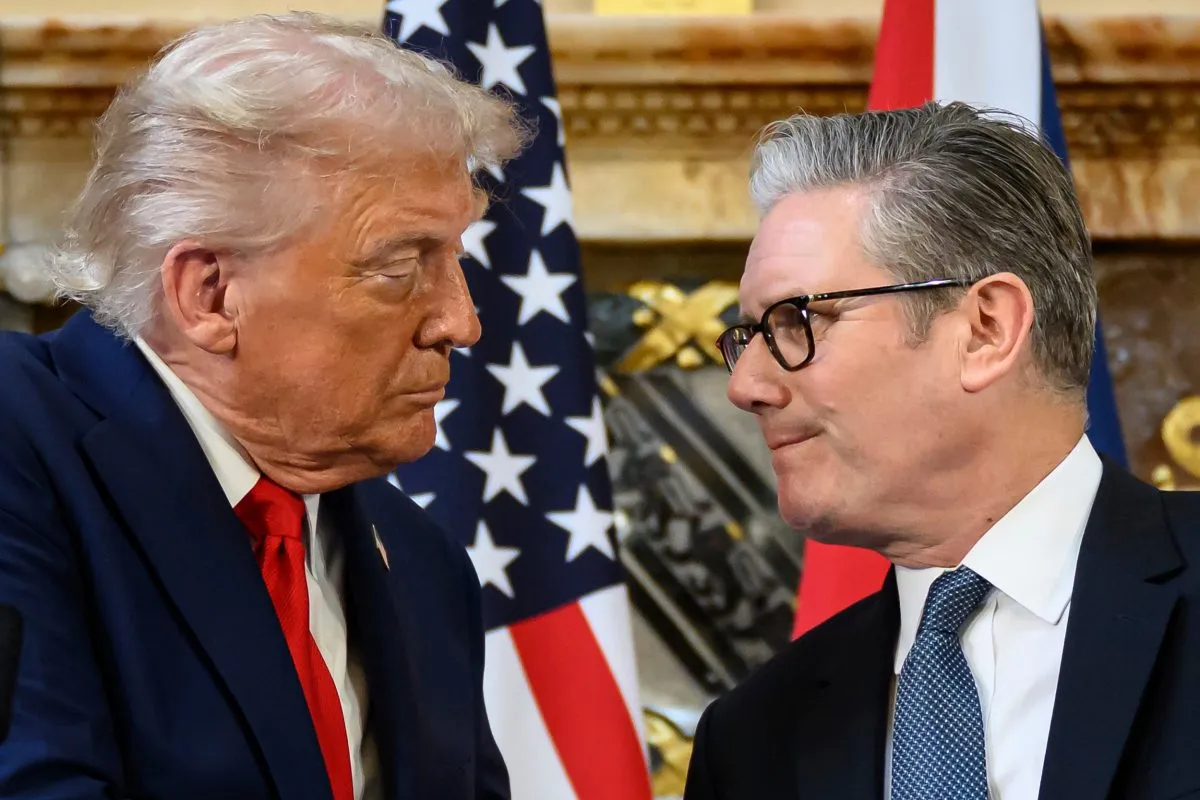
In London, Prime Minister Keir Starmer has refused to commit British forces to offensive operations, framing the decision as grounded in legality and caution. The United Kingdom has prioritized defensive readiness and protection of its assets in the region, but it has avoided becoming a combatant.
In Berlin, Chancellor Friedrich Merz has walked a careful line. During a high-profile visit to Washington, he emphasized shared concerns about Iran’s nuclear ambitions and regional stability while stopping short of endorsing direct military involvement. The message was one of solidarity without participation.
The tone across Europe has been consistent. Diplomacy first. Containment if necessary. No rush to join the fight.
France and the Nuclear Signal
France has paired caution with strategic signaling.
President Emmanuel Macron has used the crisis to argue that Europe must strengthen its own deterrent capabilities in an era of renewed volatility. Paris announced plans to increase elements of its nuclear arsenal and to explore closer integration of French nuclear assets with European partners.
The signal is unmistakable. If Europe wants influence in crises shaped by missile strikes and rapid escalation, it must invest in credible hard power.
Yet this remains a long-term strategy. In the immediate conflict, France is not flying combat missions over Iran.
A Different War From the Past
What distinguishes this conflict is not only Europe’s restraint, but the speed with which the war unfolded.
There was no prolonged coalition-building phase. No extended diplomatic choreography to bring NATO allies into alignment before the first strikes. Washington and Jerusalem moved quickly. European capitals responded after the fact.
For many European officials, this reinforces a long-standing frustration. Europe is expected to absorb economic shockwaves, manage refugee flows and help fund stabilization efforts. But it is not always invited into the room when decisive military actions are planned.
That imbalance sharpens the debate over “strategic autonomy,” a phrase that has circulated in EU policy circles for years. The Iran war has forced it into sharper focus.
Defense Industry Awakens
If European governments are cautious militarily, markets are not.
Defense companies across the continent have seen renewed investor interest amid expectations of higher spending on air defense, missile systems and drone technology. The war is accelerating conversations about procurement speed, industrial capacity and joint production.
Europe may not be firing missiles in this conflict, but it is preparing for a world where such conflicts are more frequent and technologically complex.
The Strategic Question
The Iran war exposes a fundamental tension in Europe’s geopolitical identity.
Europe is an economic power with global regulatory reach. It is a diplomatic heavyweight. But in moments defined by hard power, it still relies heavily on the United States.
That reality may not change overnight. But wars have a way of clarifying choices.
As the conflict broadens and the regional order shifts, Europe faces a defining question: will it remain primarily a manager of consequences, or will it build the capacity and political will to shape events?
This war is not only testing the Middle East. It is testing Europe’s ambitions.
And the answer will shape the continent’s role in the next crisis.
RELATED STORIES:
- The Global Climate Consequences of Escalating U.S. Trade Tensions
- ICC Warns of Ethnic, Gender-Based War Crimes in Sudan as Humanitarian Crisis Deepens
- Cheaper, Faster, Cheaper – How we’ll win the climate war: By Tom Steyer
- Trump Threatens Tariffs Over Greenland, Forcing Europe Into a High-Stakes Test of Alliance Unity
- From Confrontation to Containment: The West Recalibrates in Munich
 Follow SDG News on LinkedIn