In a rare and consequential statement, United Nations Secretary-General António Guterres has warned that actions taken by the United States, Israel, and Iran in the rapidly escalating conflict may constitute war crimes, marking one of the most direct public rebukes of U.S. military conduct by a sitting UN chief in recent history.
Speaking as civilian casualties rise and attacks on critical infrastructure intensify, Guterres said there are “reasonable grounds” to believe that strikes carried out by all parties to the conflict may have violated international humanitarian law. His remarks place Washington alongside Tehran and Jerusalem under the same legal and moral scrutiny, underscoring the severity of the current moment.
A Statement Delivered Amid Political Tension
UN Chief Guterres’ comments are particularly striking given the already strained relationship between the United Nations and President Donald Trump, whose administration has taken an increasingly transactional approach to international institutions and alliances.
The United States remains the largest financial contributor to the UN, yet it has also accumulated significant arrears in its payments, creating ongoing tension with the organization. Against this backdrop, Guterres’ decision to publicly suggest that U.S. actions could constitute war crimes represents a notable escalation in tone.
It is a move that carries political risk. Criticizing Washington so directly, especially at a time when the UN depends on U.S. funding and cooperation, underscores both the gravity of the situation and the Secretary-General’s willingness to assert the independence of international law over geopolitical considerations.
A War Crossing Legal and Moral Red Lines
UN Chief Guterres pointed specifically to the growing pattern of attacks on energy infrastructure and civilian-linked systems as a potential breach of the laws of war.
He emphasized that the principles governing armed conflict are clear and universal. Regardless of who initiates or responds, attacks that harm civilians or destroy essential infrastructure risk crossing into illegality.
This framing is significant. It signals that the United Nations is not treating the conflict through a geopolitical lens of allies and adversaries, but through a legal standard that applies equally to all actors, including the world’s most powerful nations.
Civilian Toll and Expanding Targets
The conflict has expanded beyond traditional military targets, with missile and drone strikes hitting energy facilities, urban areas, and critical economic infrastructure.
The human cost is mounting rapidly. Civilian populations are increasingly exposed as the scope of the war widens, raising fears of a prolonged humanitarian crisis across the region.
At the same time, attacks on major energy assets are sending shockwaves through global markets, disrupting supply chains and contributing to renewed volatility in oil prices. The targeting of such infrastructure not only escalates the conflict but amplifies its global economic consequences.
The Legal Threshold of War Crimes
Under international humanitarian law, war crimes include deliberate or indiscriminate attacks on civilians, as well as strikes that are disproportionate in their impact relative to military objectives.
Legal experts have long warned that attacks on essential infrastructure, particularly those that sustain civilian life, can meet this threshold. Guterres’ use of the phrase “reasonable grounds” suggests that the situation may already meet the standard for further legal scrutiny.
His remarks also reflect growing concern that violations are not isolated incidents, but part of an escalating pattern as the conflict intensifies.
A Conflict with Global Consequences
Beyond the battlefield, the war is reshaping geopolitical alignments and exposing vulnerabilities in the global energy system.
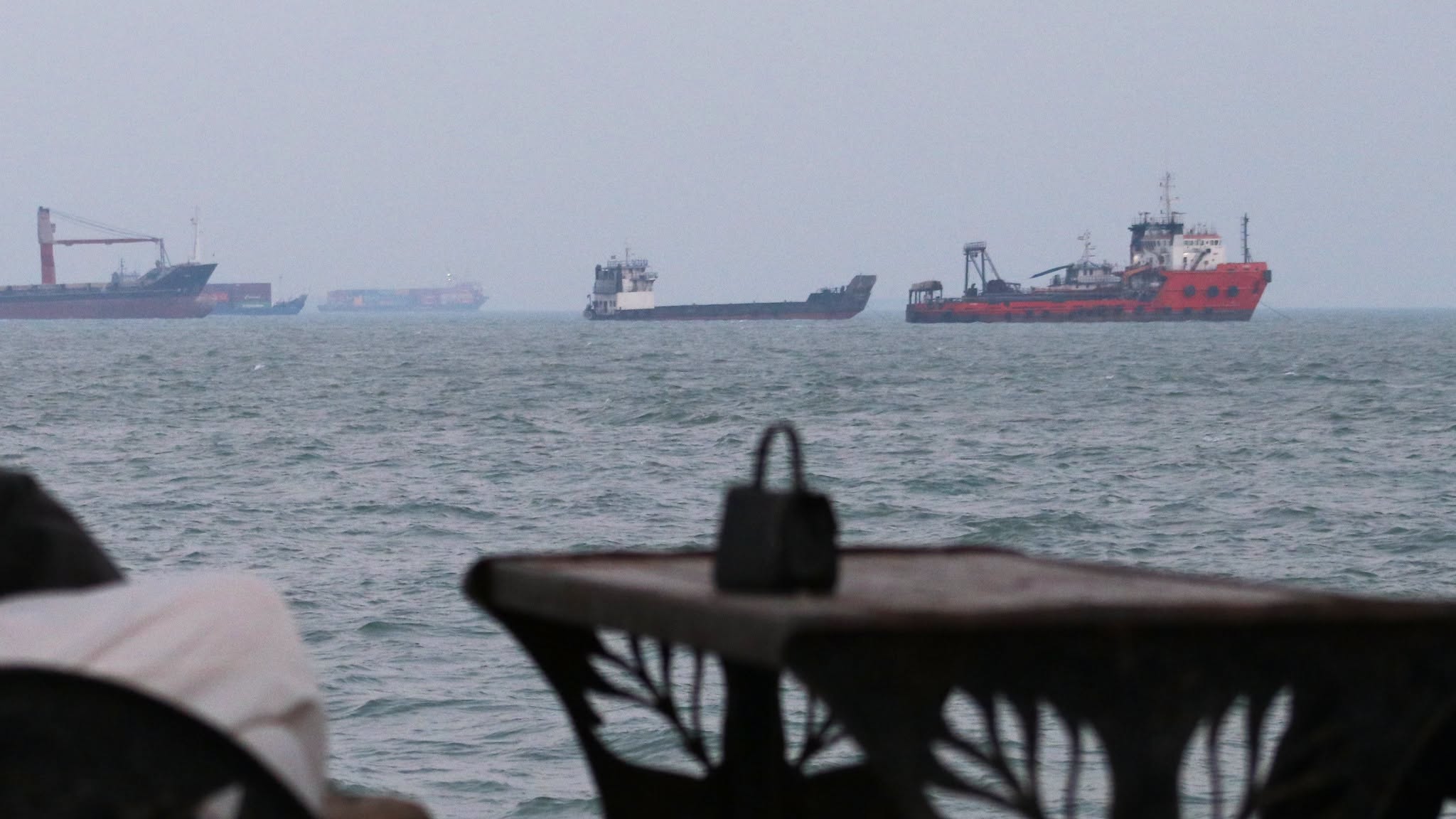
Strikes on key infrastructure in and around the Gulf are driving uncertainty in global markets, while the risk of further escalation raises the possibility of a broader regional conflict involving additional powers.
The implications extend far beyond the Middle East. The conflict is testing the resilience of global systems, from energy security to international law, at a moment of already heightened geopolitical tension.
A Test of Political Will and Global Norms
UN Chief Guterres made clear that the trajectory of the conflict is not inevitable, but the result of political decisions.
His warning serves as both a legal signal and a diplomatic appeal. Without immediate de-escalation, the continued erosion of the rules governing armed conflict could set a dangerous precedent for future wars.
For the international community, the stakes are profound. This is not only a crisis of security, but a test of whether global norms can hold when confronted with escalating conflict involving the world’s most powerful actors.
RELATED STORIES:
- Africa’s Blue Economy Confronts Climate Pressures, Seeks Path to Resilience
- ICC Warns of Ethnic, Gender-Based War Crimes in Sudan as Humanitarian Crisis Deepens
- How the Iran War Is Accelerating the World’s Shift to Energy Independence
- World Secures Historic Treaty to Protect the High Seas
- The Iran War’s Shock to the Global System: Energy, Economics, and Global Governance in Crisis
 Follow SDG News on LinkedIn