A renewed push for reparations for the transatlantic slave trade is reshaping global diplomatic conversations, as Ghana intensifies efforts to secure formal recognition, compensation, and accountability at the United Nations.
At the center of this effort is a proposed UN resolution backed by African and Caribbean nations that seeks to formally define slavery as one of the gravest crimes in human history—and to establish pathways toward reparatory justice.
A Defining Moral and Political Moment
Ghana’s leadership has framed the initiative not simply as a financial claim, but as a broader call for historical recognition and systemic redress. The proposal urges countries involved in the transatlantic slave trade to issue formal apologies and contribute to a reparations framework that could include financial compensation, development support, and the return of cultural artifacts.
This reflects a growing consensus among African and Caribbean nations that the economic and social consequences of slavery continue to shape global inequalities today. At least 12.5 million Africans were forcibly transported across the Atlantic over several centuries, with long-term impacts on development, governance, and wealth distribution that remain deeply embedded in the global system.
Momentum Meets Resistance
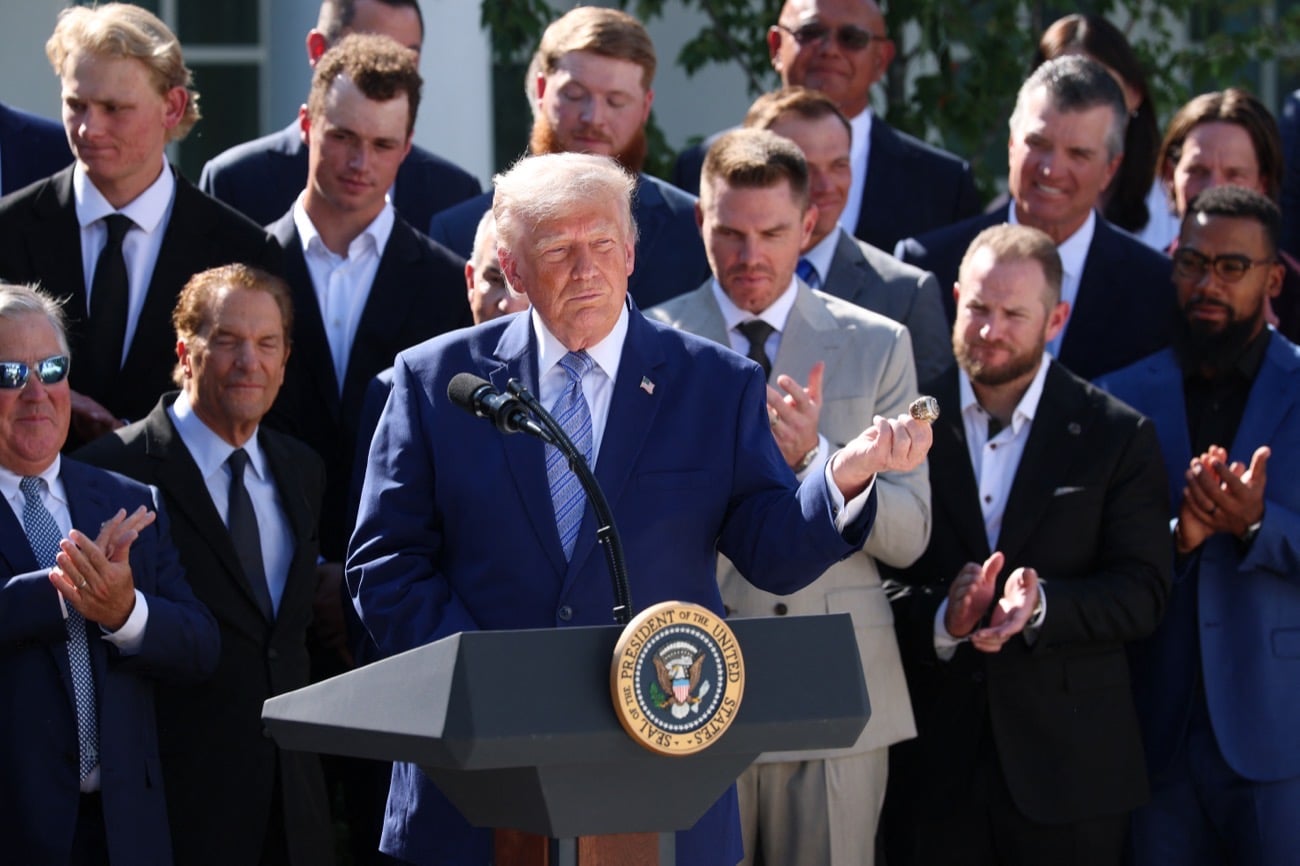
While the movement for reparations has gained momentum in recent years, particularly across the Global South, it is encountering resistance from major Western powers. Both the United States and the European Union have signaled opposition to backing the proposed UN resolution, reflecting longstanding political sensitivities around historical accountability.
Critics argue that present-day governments should not bear responsibility for historical injustices, while proponents counter that the enduring structural effects of slavery demand collective action and acknowledgment at the international level.
The debate is increasingly unfolding against a broader geopolitical backdrop. Ghana’s leadership has also warned that shifting narratives around history—particularly in Western countries—risk undermining decades of progress in acknowledging the legacy of slavery and racial injustice.
Beyond Compensation: Redefining Reparations
The modern reparations movement is evolving beyond direct financial payments. Today, reparations are understood to encompass a range of measures, including institutional reform, educational investment, debt relief, and symbolic acts such as apologies and memorialization.
For many advocates, the objective is not only to address past harms but to reshape future economic relationships—linking reparations to development financing, capacity building, and global equity frameworks.
A New Chapter in Global Justice
The push led by Ghana signals a broader shift in how historical injustices are being integrated into contemporary global governance. As developing nations assert greater influence in multilateral forums, issues once considered symbolic are increasingly becoming central to diplomatic agendas.
For global leaders, the question is no longer whether the legacy of slavery should be addressed—but how.
The outcome of this debate could redefine not only historical accountability, but also the future architecture of international cooperation, development finance, and justice in a rapidly evolving world order.
RELATED STORIES:
- America Walks Away From Paris — And the Climate Map Quietly Shifts
- Weimar+ Leaders Strengthen Ukraine Assistance While Weighing Escalated Sanctions on Russia
- World Bank Invests $4 Billion in Nature to Conserve 45 Million Hectares and Mobilize Private Capital
- UN Chief Guterres Says U.S., Israel, and Iran May Have Committed War Crimes in Escalating Conflict
- CTrees Uses AWS to Track Carbon in Every Tree on Earth
 Follow SDG News on LinkedIn