Developing nations forced to divert scarce public resources from education, healthcare and clean energy as geopolitical instability reshapes global development priorities.
The economic consequences of the conflict in the Middle East are extending far beyond the region, threatening to reverse years of progress toward sustainable development and the global energy transition, according to a new report released today by the United Nations Development Programme (UNDP).
The report, Military Escalation in the Middle East: Cushioning the Global Shock, warns that governments across the developing world are being forced to spend unprecedented sums shielding citizens from surging energy costs. As a result, global fossil fuel subsidies are projected to reach US$1.1 trillion in 2026—an increase of US$410 billion over last year if oil prices average US$88.60 per barrel. Under a more severe price scenario, subsidies could climb to US$1.43 trillion.
The findings underscore how geopolitical instability is increasingly undermining both economic resilience and climate ambitions, particularly for low- and middle-income countries already grappling with mounting debt burdens.
Development Spending Under Pressure
According to UNDP, many governments have responded to higher energy prices through fuel subsidies, price caps, tax reductions and other emergency measures designed to protect households and businesses from economic shock. While these interventions provide short-term relief, they also consume fiscal resources that would otherwise be invested in education, healthcare, infrastructure and renewable energy.
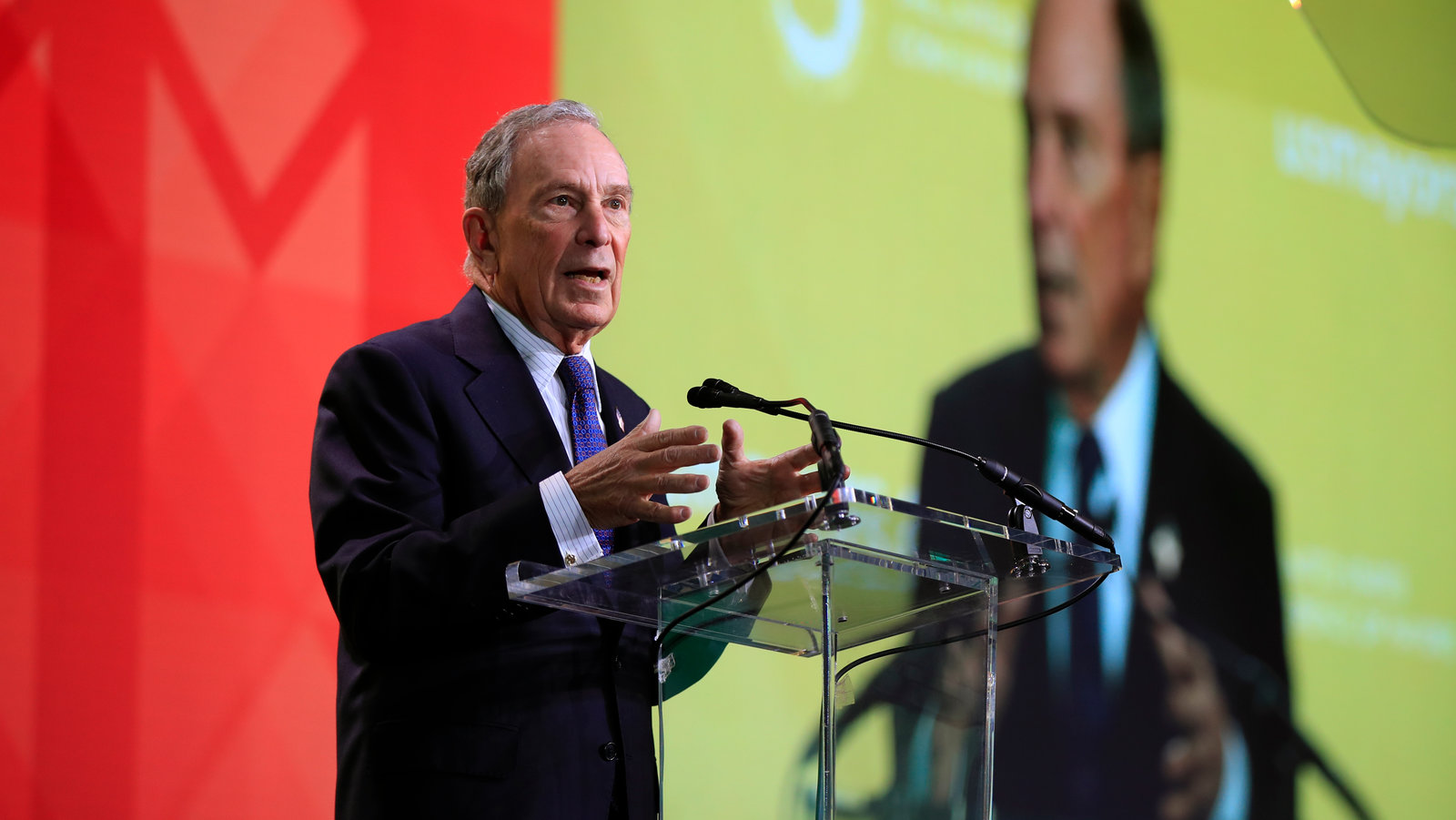
“The global spillover of the Middle East conflict is profound and potentially long-lasting,” UNDP Administrator Alexander De Croo said in announcing the report.
“Money that should be building schools, hospitals, and clean energy systems is being used simply to keep economies afloat. Without international support, these countries won’t escape the shock. They are absorbing it at the expense of future growth.”
UNDP notes that these emergency subsidies also risk locking countries into long-term dependence on fossil fuels, delaying investments needed to strengthen energy security through cleaner and more resilient systems.
Debt and Development Collide
The report paints a sobering picture of public finances across the developing world.
Nearly half of the world’s poorest countries are now either already in debt distress or face a high risk of entering it. Median developing economies are expected to devote 9.53 percent of total government revenue to interest payments this year—double the share recorded a decade ago and the highest level in a quarter century. Meanwhile, 55 developing economies are projected to spend more than 10 percent of government revenues servicing debt between 2024 and 2026.
These financial pressures leave governments with increasingly limited room to respond simultaneously to rising energy costs, economic development needs and climate commitments.
Energy Security and Climate Action Converge
Rather than viewing energy security and climate policy as competing priorities, UNDP argues the current crisis demonstrates they have become inseparable.
The organization is calling for expanded multilateral financial support that is more accessible to developing countries while accelerating investment in renewable energy infrastructure that reduces dependence on volatile fossil fuel markets.
“Every clean energy investment reduces exposure to future shocks,” De Croo said. “The crisis has made one thing clear: energy security and the energy transition are no longer separate agendas. They are one and the same.”
A Defining Test for Global Cooperation
The report is being launched during the Hamburg Sustainability Conference, where government leaders, development institutions, businesses and civil society are meeting to advance international cooperation on sustainable development.
Beyond the immediate economic implications, the report raises broader questions about the resilience of the global development agenda in an era of geopolitical uncertainty. As conflicts, climate impacts and debt pressures increasingly intersect, the challenge for policymakers will be ensuring that emergency responses do not undermine long-term investments in prosperity, resilience and the clean energy transition.
For the international community, UNDP’s warning serves as a reminder that today’s geopolitical crises carry costs measured not only in energy prices, but also in delayed development, constrained public investment and a widening gap between immediate economic necessity and the long-term pursuit of sustainable growth.
Read Full Report – Military Escalation in the Middle East: Cushioning the Global Shock
RELATED STORIES:
 Follow SDG News on LinkedIn