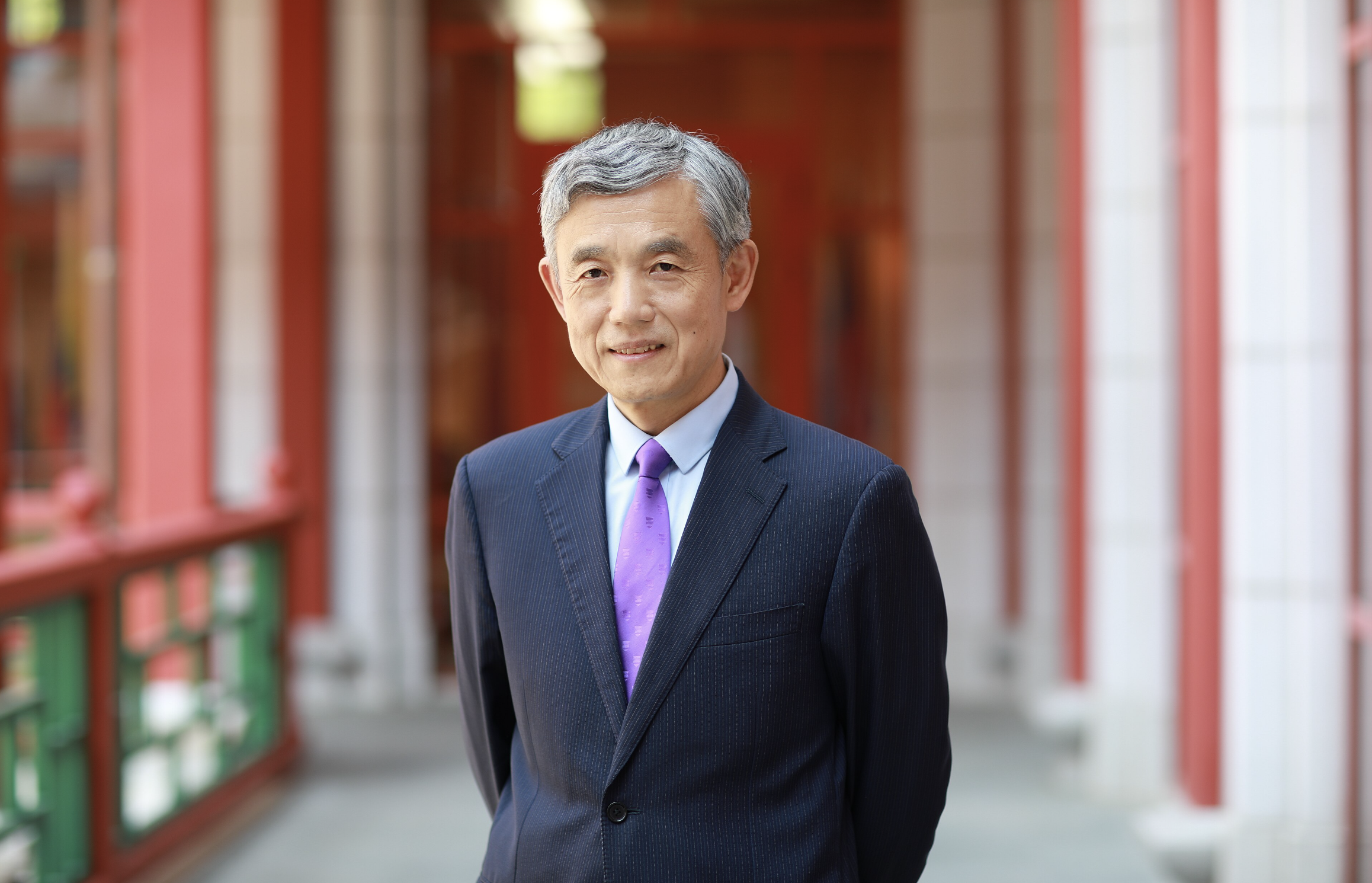
Secretary-General António Guterres warns that AI governance can no longer remain theoretical as military applications accelerate, calling for international safeguards that keep pace with rapidly advancing technology.
GENEVA — As the AI for Good Global Summit continues in Geneva, one of its most consequential messages has emerged not from a discussion of innovation, but from a warning about the future of warfare.
Addressing the inaugural UN Global Dialogue on AI Governance alongside the AI for Good Summit, UN Secretary-General António Guterres called for urgent global action to establish international rules governing artificial intelligence, warning that technologies originally developed for civilian purposes are increasingly finding their way onto the battlefield.
His remarks reflect a growing shift in the international AI conversation—from celebrating technological breakthroughs to confronting the geopolitical, humanitarian, and security challenges that accompany them.
AI Governance Enters a New Phase
Guterres argued that artificial intelligence has the potential to dramatically accelerate sustainable development, improve healthcare, education, disaster response, and economic opportunity. But realizing those benefits, he said, depends on establishing trusted international governance before technological advances outpace global institutions.
Among his strongest warnings was the rapid emergence of autonomous military capabilities—often referred to as “killer robots”—enabled by increasingly sophisticated AI systems and commercially available computing power.
Rather than allowing fragmented national approaches to shape the future of AI, the Secretary-General urged governments to develop common international standards for testing AI systems, measuring risk, assigning legal responsibility, and ensuring accountability across borders.
Child Safety and Human Rights Take Priority
Beyond military applications, Guterres placed particular emphasis on protecting children from AI-enabled harms, including manipulation, exploitation, and abuse.
He proposed an international AI Child Safety Pledge that would require developers to demonstrate the safety of AI systems before they are widely deployed to children, arguing that AI should be subject to safeguards comparable to those applied to medicines and consumer products.
The call reflects growing concern within the UN system over generative AI’s ability to create convincing deepfakes, manipulate information, and expose vulnerable populations to new forms of digital harm.
Deepfakes Become a Global Governance Issue
President of the 80th Session of the UN General Assembly Annalena Baerbock reinforced those concerns, warning delegates about the rapid spread of AI-generated sexual deepfakes and online abuse.
Citing widely referenced research presented during the dialogue, Baerbock noted that an overwhelming majority of reported deepfakes are sexual in nature and disproportionately target women and girls, underscoring the need for coordinated international responses that address both security and human rights implications of AI deployment.
From Principles to Global Policy
The discussions build upon a series of milestones reached over the past three years, including the establishment of the UN High-Level Advisory Body on AI, adoption of the Global Digital Compact, and the release last week of the first Independent International Scientific Panel on Artificial Intelligence assessment.
Together, those initiatives are laying the foundation for what many participants see as the emerging architecture of global AI governance—a process that increasingly resembles earlier multilateral efforts governing issues such as climate change, nuclear security, and international telecommunications.
AI For Good Broadens Its Focus
The debate highlights how the AI for Good Summit has evolved beyond a showcase for technological innovation into a central forum for international AI governance.
Organized by the International Telecommunication Union (ITU) with more than 50 UN partners and co-convened by the Government of Switzerland, this year’s summit brings together governments, researchers, industry leaders, and civil society to examine not only how AI can accelerate progress toward the Sustainable Development Goals, but also how the world should govern increasingly powerful technologies whose impacts extend far beyond national borders.
 Follow SDG News on LinkedIn