The last night of COP30 broke into dawn as exhausted delegates stepped out of Belém’s humid Blue Zone, clutching the eight-page Global Mutirão decision that will define climate diplomacy for the next year. Outside, protesters had drifted home. Inside, negotiators from nearly 200 countries had inched toward agreement without the presence of the United States — a summit shaped as much by who was absent as by the document they adopted.
The COP30 Climate Deal offers a fragile advance: it strengthens adaptation finance, preserves the multilateral process and sets up two Brazilian-led roadmaps for 2026. Yet it stops short of naming fossil fuels, the benchmark for success demanded by dozens of countries. The result is a global compromise that prevents backsliding but leaves unresolved divisions that will dominate COP31.
A Fossil Fuel Divide That the Deal Could Not Bridge
The most contentious issue of COP30 — whether to include an explicit reference to transitioning away from fossil fuels — was ultimately left out of the final text. More than 80 countries, including Colombia, Germany, Kenya and the UK, backed a roadmap to move beyond oil, coal and gas.
But the draft released late Friday omitted the language entirely, prompting frustration among delegations and civil society. China, Russia and Saudi Arabia opposed any new obligations tied to fossil fuel phaseout, while Brazil attempted to navigate between blocs.
COP30 President André Corrêa do Lago responded by pledging to create a “just transition roadmap” outside the formal UNFCCC decision — a political process rather than a binding outcome. It drew applause but underscored the limits of consensus.
Adaptation Moves to the Center of Global Diplomacy
For years, adaptation sat in mitigation’s shadow. In Belém, that shifted decisively. The COP30 Climate Deal calls for tripling adaptation finance by 2035, a timeline longer than what vulnerable nations pushed for but still a major structural adjustment.
Delegates acknowledged that climate impacts — storms, heat, fires, floods — are no longer future risks but present realities. “In the Marshalls, our adaptation needs are overwhelming,” Foreign Minister Kalani Kaneko said in the Blue Zone.
Experts argue tripling finance is feasible only if all sources — multilateral, bilateral, private, philanthropic — scale together and new mechanisms improve efficiency across the system. The Global Goal on Adaptation now sits at the core of post-Belém diplomacy.
Trade Tensions Reemerge as a Climate Battleground
Trade made a rare appearance in the final COP text. Pressure from China and others over the EU’s carbon border levy helped push language warning against “arbitrary or unjustifiable discrimination” and disguised trade restrictions.
The agreement establishes a three-year dialogue on trade and climate at upcoming Bonn sessions. Although early language on critical minerals was cut from the final text, its emergence reflects a new reality: supply chains, mineral dependencies and trade measures will shape global climate politics as much as emissions targets.
Civil Society Reclaims Space in Democratic Brazil
COP30 unfolded in a political environment not seen in years. Tens of thousands marched in Belém. Indigenous activists briefly blocked the Blue Zone entrance. Small groups forced their way into the venue after being denied entry.
The scenes contrasted sharply with COPs hosted in countries with heavy restrictions on speech and assembly. While many activists felt excluded from key rooms, their visible presence re-established civil society’s role in global climate diplomacy.
With COP31 set for Turkey — a country with a decade-long decline in freedom of expression — observers expect the tone to shift again.
Forest Finance Falls Short Despite Brazil’s Ambition
Brazil’s signature initiative, the Tropical Forests Forever Facility, sought tens of billions in new commitments. It received more than $6 billion — far below expectations. Norway’s pledge included conditions requiring Brazil to mobilize more financing from others.
The Global Mutirão decision recognizes forests as essential carbon sinks, but a roadmap for ending deforestation did not make it into the binding text. Instead, Corrêa do Lago proposed a second voluntary roadmap on deforestation to run alongside the fossil fuel one.
The setting of Belém sharpened the disappointment for many negotiators.
“If we cannot agree on ending deforestation here in the Amazon, then where?” asked Panama’s special representative Juan Carlos Monterrey Gómez.
The U.S. Absence Defines the Geopolitical Backdrop
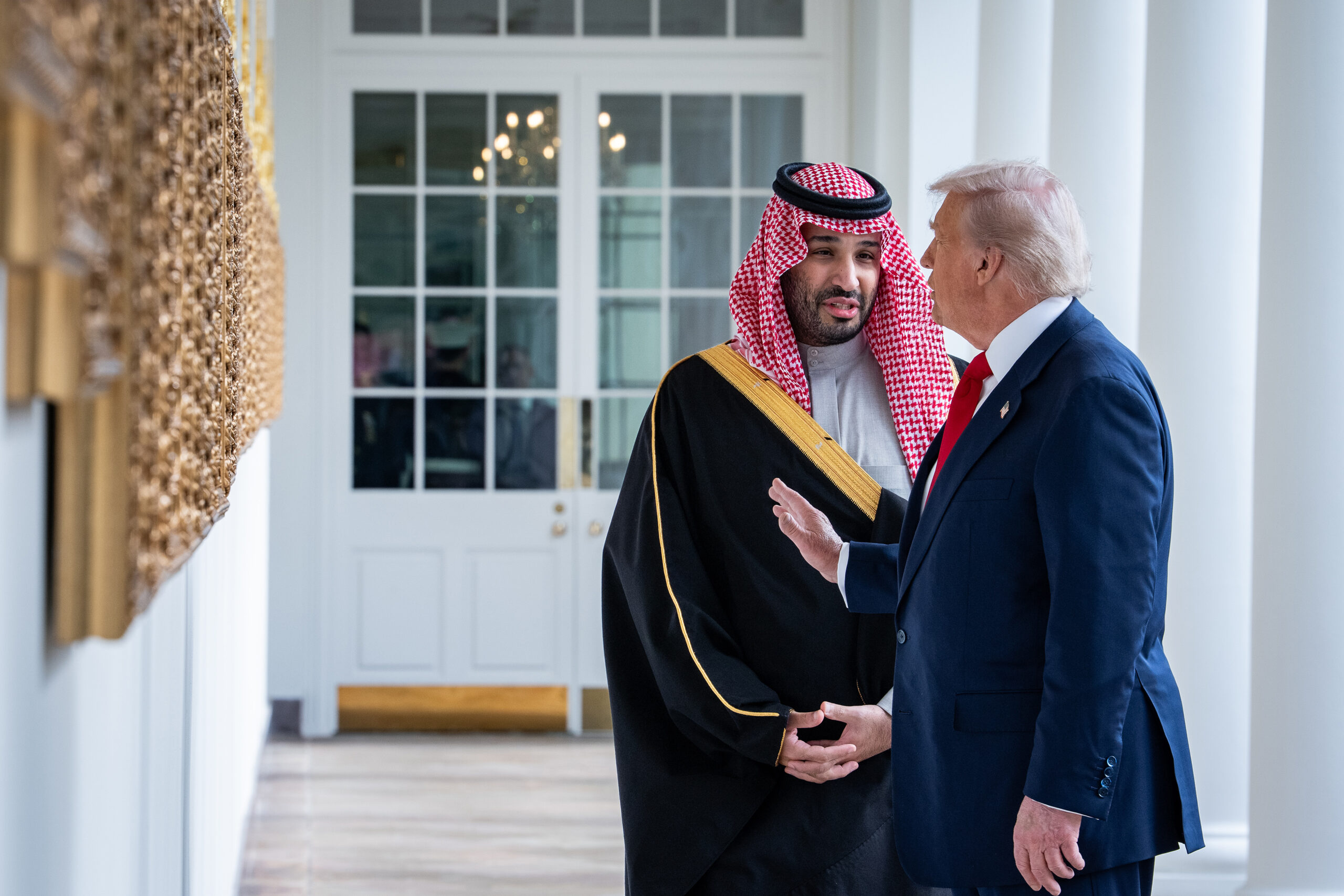
For the first time in 30 years, the United States did not attend a COP — a vacuum that altered diplomatic dynamics. Without the U.S. to broker moments of ambition, the EU struggled to counter criticism over finance and trade. China stayed low-profile, submitting a modest pledge and resisting obligations tied to fossil fuels.
Yet some negotiators expressed relief the U.S. did not disrupt talks, citing its recent role as spoiler in global maritime negotiations.
Amid the geopolitical recalibration, Bill Gates announced $1.4 billion to support farmers in developing countries adapting to rising temperatures — a sign of growing non-state influence in global adaptation.
A Deal That Stabilizes but Does Not Transform
The COP30 Climate Deal avoids regression but does not accelerate global decarbonization. It strengthens adaptation finance, elevates trade and acknowledges forests, yet sidesteps the central mitigation question.
As Mohamed Adow of Power Shift Africa put it: “COP30 gave us some baby steps in the right direction. But it has failed to rise to the occasion.”
With Brazil launching two voluntary roadmaps and Turkey preparing to host COP31, the next 12 months will determine whether the fragile consensus forged in Belém can be translated into momentum — or whether the gap between global ambition and reality widens further.
RELATED STORIES:
- KPMG Highlights Audit Committees’ Role in Mandatory ESG Reporting Compliance
- Funding the Goals: Public/Private Partnerships Imperative
- U.S. Strengthens Ties with Pacific Islands at 53rd Pacific Island Forum
- Spotlight: One Earth Appoints Sustainability Leader Will Peterffy to Board
- COP30 Day 3 Puts People, Skills and Culture at the Center of Climate Action
 Follow SDG News on LinkedIn