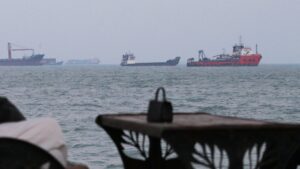
As the WHO coordinates a multinational response aboard a quarantined cruise ship, the United States finds itself navigating a public health emergency from outside the institution it helped build.
A rare hantavirus outbreak aboard the MV Hondius has triggered a complex international public health response spanning multiple continents, exposing the fragile state of global health cooperation at a moment of geopolitical fracture.
The outbreak, linked to the Andes strain of hantavirus — one of the few known hantaviruses capable of limited human-to-human transmission — has already resulted in multiple deaths and confirmed infections across several countries. Passengers from more than a dozen nations disembarked before the outbreak was formally identified, prompting an urgent global contact-tracing operation involving health authorities across Europe, Africa, North America, and South America.
The World Health Organization has emphasized that the outbreak is not expected to become a pandemic and continues to assess the broader public health risk as low. But the geopolitical context surrounding the response has transformed what might otherwise have been viewed as a contained epidemiological event into something larger: an early stress test of the post-American WHO era.
The Institution America Helped Build
The World Health Organization was established in 1948 in the aftermath of World War II, born from the conviction that global health security required international coordination rather than isolated national responses. The United States was not merely a founding member — it became the institution’s most influential participant and largest financial contributor for decades.
American scientists, diplomats, and public health agencies helped shape many of the WHO’s defining achievements, from the eradication of smallpox to global vaccination campaigns, pandemic surveillance systems, and emergency outbreak response coordination. U.S. funding and technical expertise became deeply embedded within the organization’s operational architecture.
For much of the postwar period, the WHO reflected a broader American-led vision of multilateralism: that international institutions, despite imperfections, advanced both global stability and U.S. interests.
That consensus has now fractured.
Trump’s Withdrawal From the WHO
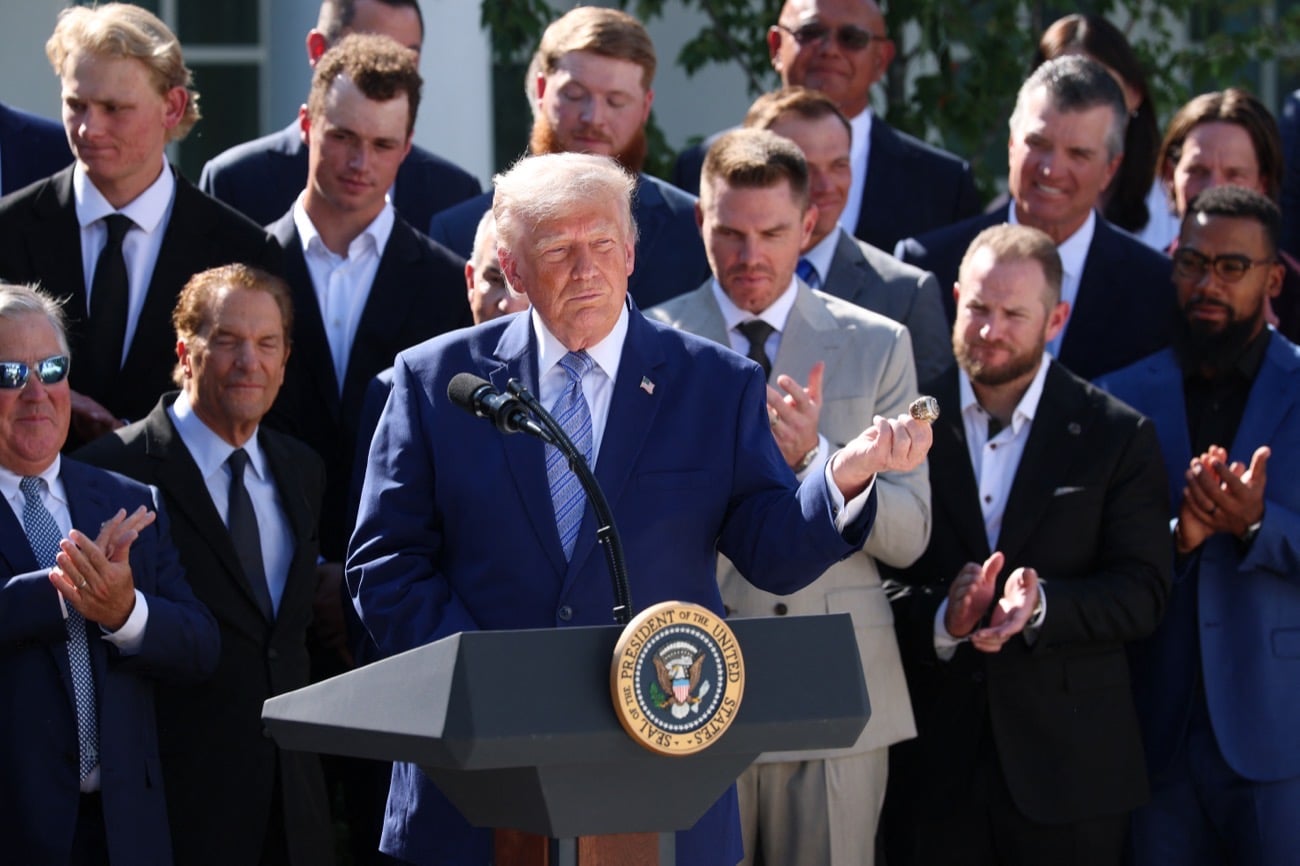
On his first day back in office in January 2025, President Donald Trump signed an executive order directing the United States to withdraw from the WHO for the second time. The administration argued that the organization had mishandled the COVID-19 pandemic, failed to enact reforms, and become overly influenced by geopolitical rivals, particularly China.
The withdrawal formally took effect in January 2026, ending 78 years of U.S. membership. The administration simultaneously halted funding contributions, withdrew personnel, and announced plans to pursue bilateral public health relationships outside the WHO framework.
Critics warned the decision would weaken global disease surveillance and reduce America’s access to real-time outbreak intelligence. Supporters argued the move was necessary to reclaim national sovereignty and reform what they viewed as a dysfunctional international bureaucracy.
Only months later, the hantavirus outbreak has demonstrated how difficult it may be to fully disentangle global public health systems from one another.
WHO Director-General Tedros Adhanom Ghebreyesus appeared to make a subtle appeal for renewed international cooperation amid the crisis, expressing hope that both Argentina and the United States would recognize the importance of universality in global health security. His remarks underscored the WHO’s longstanding argument that infectious disease response systems are only as strong as the collective participation behind them.
A Crisis Without Borders
The MV Hondius outbreak presents uniquely difficult logistical and diplomatic challenges because of its highly international character. The ship departed from Argentina, stopped in remote Atlantic territories, carried passengers from multiple countries, and now involves patients, monitoring systems, and quarantine efforts spread across numerous nations.
Among those being monitored are several American passengers who returned to the United States before the outbreak was fully understood. U.S. state health departments and the CDC are now tracking potential exposures across multiple states.
Yet despite formally exiting the WHO only months ago, the United States has still found itself coordinating with the organization during the crisis. CDC officials and WHO experts remain in communication as both sides attempt to manage contact tracing, information sharing, and containment measures.
The outbreak has also reignited scrutiny around the capacity of America’s public health infrastructure following recent federal cuts. Jeanne Marrazzo, the CEO of the Infectious Diseases Society of America, publicly questioned why the CDC had not yet issued a Health Alert Network notice regarding the outbreak — a system typically used to rapidly inform healthcare providers and public health officials about emerging threats.
Marrazzo warned that staffing and institutional reductions under the Trump administration could weaken the country’s response capabilities at a moment requiring speed and coordination. Her comments carry additional political weight given her former leadership of the National Institute of Allergy and Infectious Diseases and her ongoing allegations that Health Secretary Robert F. Kennedy Jr. dismissed her in retaliation following a whistleblower complaint she filed last year.
That reality underscores a central tension now emerging in global health governance: pathogens do not recognize political withdrawals, institutional disputes, or ideological realignments.
Diseases move through airline routes, shipping corridors, migration flows, and tourism networks that remain fundamentally globalized. Even governments seeking to prioritize national sovereignty often find themselves dependent on international systems for early warnings, scientific coordination, and shared intelligence.
The Future of Global Health Cooperation
The hantavirus outbreak arrives at a particularly delicate moment for the WHO itself.
The organization is simultaneously managing budget reductions linked to the loss of U.S. funding while attempting to maintain credibility amid growing geopolitical polarization. Tedros now faces the difficult task of coordinating multinational responses in a world where the institution’s largest historic backer has stepped away from formal participation.
The outbreak also revives broader questions that emerged during COVID-19: how should global institutions balance transparency, sovereignty, scientific uncertainty, and political pressure during fast-moving crises?
For now, health officials continue to emphasize that the current hantavirus outbreak remains limited and controllable. But the geopolitical significance of the response may outlast the outbreak itself.
Because beyond the immediate epidemiological challenge lies a larger strategic question now confronting the international system:
Can the world effectively coordinate against transnational biological threats in an era increasingly defined by fragmentation, nationalism, and declining trust in multilateral institutions?
RELATED STORIES:
- ICC Warns of Ethnic, Gender-Based War Crimes in Sudan as Humanitarian Crisis Deepens
- Europe Urgently Needs to Increase Its Disaster and Climate Change Resilience
- The UN’s Safety Net Is Fraying — and Millions Could Slip Through
- How the Iran War Is Accelerating the World’s Shift to Energy Independence
- Europe’s Hidden Hand in the Iran War
 Follow SDG News on LinkedIn