Key Impact Points:
- Africa Carbon Support Facility (ACSF) will provide policy, financial, and technical tools to grow high-integrity carbon markets across Africa.
- The initiative aims to unlock billions in climate finance, aligned with the African Union’s Carbon Market Strategy and grounded in five strategic pillars.
- Leaders emphasized the need for strong partnerships and equitable community benefits to scale Africa’s carbon market leadership.
Africa Steps Up as Global Carbon Market Leader
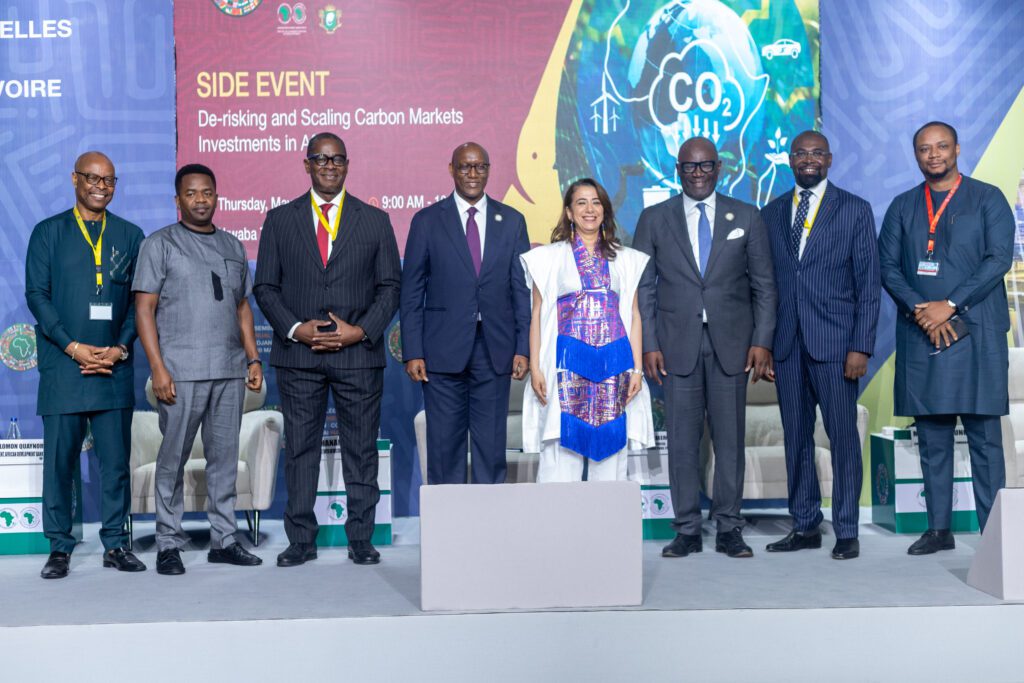
The African Development Bank (AfDB) announced the launch of the Africa Carbon Support Facility (ACSF)—a first-of-its-kind platform to scale carbon markets across Africa—during a high-level dialogue held at the 2025 AfDB Annual Meetings in Abidjan, Côte d’Ivoire.
Framed as a pivotal move to align Africa’s natural capital with climate finance opportunities, the ACSF aims to de-risk investments, attract private capital, and ensure that carbon revenues benefit African communities. The facility is structured around five key pillars: de-risking supply, stimulating demand, building market infrastructure, strengthening policy ecosystems, and crowding in private finance.
“Ideas Meet Action”: Leaders Rally Behind Carbon Markets
“This is a space where ideas meet action, principles meet policy, and financing meets Africa’s future,” said Dr. Kevin Kariuki, AfDB Vice President for Power, Energy, Climate, and Green Growth, setting a tone of ambition for the dialogue.
The event featured diverse voices from government, finance, and civil society. Mr. Ibrahima Cheikh Diong, Executive Director of the Fund for Responding to Loss and Damage, underscored the human toll of climate change and the urgency of global solidarity:
“When global emissions are reduced, there is less loss and damage. In Madagascar and elsewhere, disasters give climate change a human face. But there are non-economic losses. Global solidarity is one of the levers; in less than two years, we have launched a fund of $766 million in voluntary contributions. We must promote complementarity; no single institution can do everything.”
In a video message, Mr. Paul Muthaura, CEO of the Africa Carbon Markets Initiative, added that coordinated action and investment were critical for Africa to emerge as a global carbon finance leader.
Financial Institutions Called to Lead
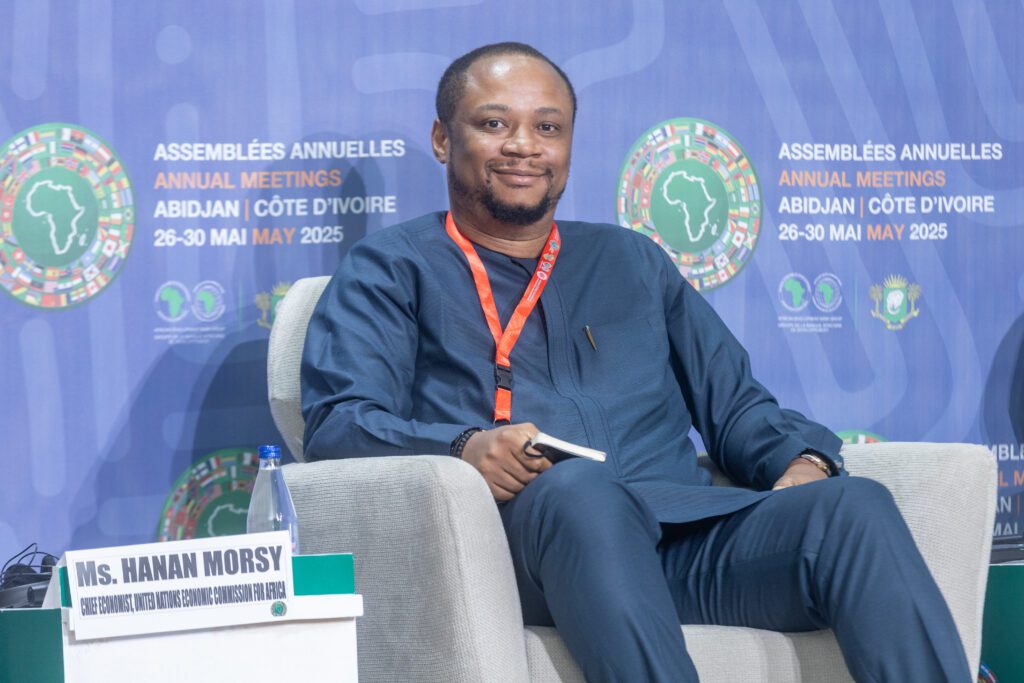
A panel moderated by AfDB Vice President Solomon Quaynor brought focus to the role of financial institutions in scaling carbon markets. Panelists included:
- Olympus Manthata (Development Bank of Southern Africa)
- Derek Chime (ARM-Harith)
- Dr. Hanan Morsy (UNECA)
- Zeph Kivungi (Children’s Investment Fund Foundation)
- Wale Shonibare (AfDB)
“Development partners need to collaborate to ensure the data needed for verifiable, investible and trustworthy carbon credits is available and reliable. Income streams should also trickle down to communities,” said Dr. Hanan Morsy, Deputy Executive Secretary at UNECA.
Building an Integrated Ecosystem for Climate Finance
Panelists called for embedding carbon finance within national development strategies and strengthening local capital markets. They urged clearer regulatory frameworks and smarter risk-sharing tools to attract private capital, while stressing the importance of channeling carbon revenues into communities for long-term sustainability.
Speakers repeatedly emphasized the need for a connected ecosystem—one that links policy, technology, capital, and social equity—rather than fragmented efforts. The ACSF was viewed as a cornerstone of this integrated approach.
The dialogue concluded with consensus: Africa is not only ready to participate in global carbon markets—it is ready to lead, on its own terms.
Related Article: TikTok and Sumitomo Reveal Strategies for Navigating Carbon Removal Market
 Follow SDG News on LinkedIn