In Havana, adaptation now sits on rooftops.
Extended blackouts are reshaping daily life across Cuba as fuel shortages constrain electricity generation and expose the fragility of an import-dependent grid. In response, households, small businesses and informal transport operators are installing solar panels at a pace that signals less an energy transition than an energy improvisation.
The shift is reactive. The pressure is structural.
A grid built on imports
Cuba’s electricity system has long relied on imported oil to sustain aging thermal plants. As shipments from Venezuela and Mexico have thinned and U.S. sanctions continue to restrict access to fuel markets, generation shortfalls have widened.
Shortage compounds shortage.
Without sufficient diesel and gasoline, backup generators that once softened outages have themselves become unreliable. Fuel scarcity now cascades through transport, retail and basic services, compressing the operating margin of both the state and the private sector.
Energy becomes rationed continuity.
Distributed adaptation
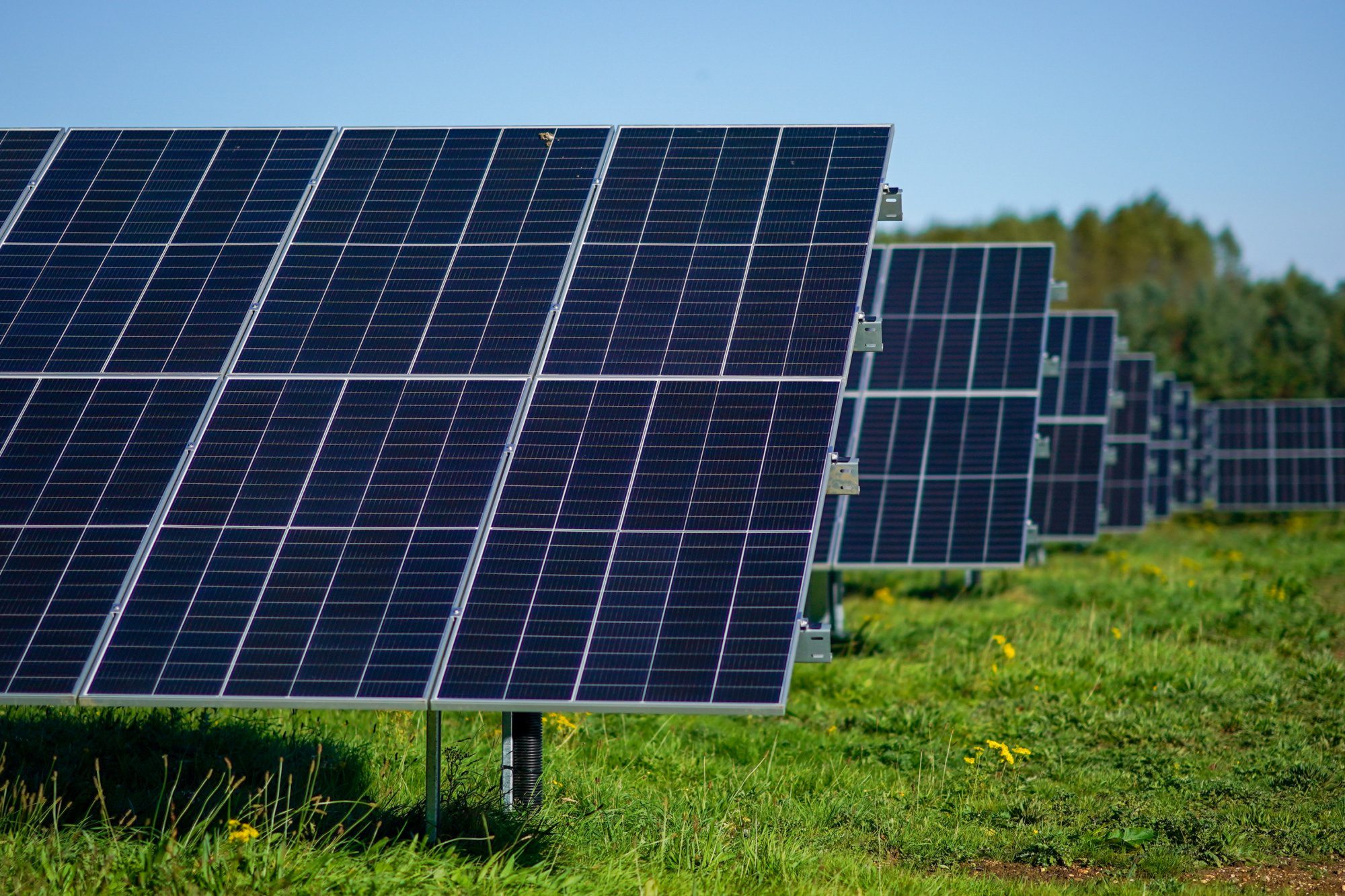
Against that backdrop, solar installations have accelerated. With support from Chinese financing and equipment, the government has added more than 1,000 megawatts of solar capacity in the past year and has pledged to expand further.
But the more immediate response is decentralized.
Private business owners, café operators and taxi drivers are investing in rooftop panels and small-scale systems to maintain refrigeration, connectivity and mobility. The upfront cost is high and often denominated in dollars, placing solar out of reach for many. Yet for those who can access remittances or private capital, panels have become a hedge against systemic instability.
Reliability now carries a premium.
Policy as signal
In an effort to encourage renewable uptake, authorities have introduced tax waivers for several years for entrepreneurs undertaking renewable energy projects. The measure is designed to mobilize private initiative where public resources are constrained.
The incentive is narrow. The signal is broader.
It acknowledges that resilience is increasingly being assembled outside the central grid, and that distributed generation is no longer an environmental add-on but a survival mechanism.
Sanctions and supply
Washington maintains that its restrictions are intended to increase pressure for political change. The result, however, is that fuel scarcity interacts with drought in traditional supply channels, tightening the island’s exposure to external shocks.
The system bends before it breaks.
Russia has indicated preparations to send crude, though timing remains uncertain. Even if shipments resume, the recent surge in rooftop solar suggests that parts of the population are recalibrating expectations about state-provided continuity.
An energy model in transition
Solar panels alone cannot compensate for a grid dependent on imported fuel and aging infrastructure. Yet their proliferation marks a subtle shift in Cuba’s energy architecture, from centralized thermal dependency toward fragmented resilience.
Whether this evolves into a durable restructuring of the island’s energy model or remains a temporary adaptation to sanctions-driven scarcity will depend on forces largely external to the rooftops now catching Havana’s sun.
For now, the grid flickers. The panels stay.
RELATED STORIES:
- US Government’s National Security Strategy, Decoded: The Signals Washington Is Sending the World
- COP29: Global Solar Capacity Reaches 2 TW Milestone, On Path to Climate Goal
- What’s Happening at COP16
- World Bank Report Highlights Global Water Crisis: Over 2 Billion Lack Safe Drinking Water
- Demystifying UNGA: A Glossary for Global Leaders
 Follow SDG News on LinkedIn