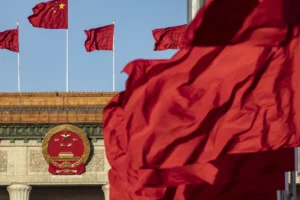
In early 2026, Nepal experienced one of the most dramatic political shifts in its modern history. At the center of it stood Balendra Shah, a former underground rapper, structural engineer, and mayor of Kathmandu who rose to become the country’s prime minister following a landslide election victory driven largely by young voters.
Shah’s ascent reflects a generational revolt against Nepal’s entrenched political elite. For many young Nepalis, he represents a break from decades of coalition politics, corruption scandals, and stagnant governance.
From Hip-Hop to City Hall
Before entering politics, Balendra Shah gained recognition in Nepal’s hip-hop scene during the early 2010s. His music often criticized corruption and inequality, themes that resonated strongly with urban youth frustrated by political stagnation.
In 2022, Shah stunned Nepal’s political establishment by winning the mayoralty of Kathmandu as an independent candidate, defeating contenders from the country’s major parties. His campaign focused on transparency, anti-corruption reforms, and improving urban management in the congested capital.
During his tenure, he launched initiatives targeting waste management, urban infrastructure, and traffic congestion, while cultivating a reputation for direct communication with citizens through social media.
The Gen Z Political Wave
Shah’s national breakthrough came in the wake of a youth-driven political uprising in 2025 that forced the resignation of the country’s longtime political leadership. The protests exposed deep frustration with corruption, economic stagnation, and a lack of opportunity for younger generations.
Capitalizing on that momentum, Shah joined the Rastriya Swatantra Party and entered the 2026 general election as its candidate for prime minister.
In a symbolic contest, he challenged former four-time prime minister K. P. Sharma Oli in Oli’s own constituency and defeated him by a record margin.
The result was a political earthquake. Balendra Shah’s party secured a commanding parliamentary mandate, marking one of the most decisive election outcomes since Nepal became a democratic republic.
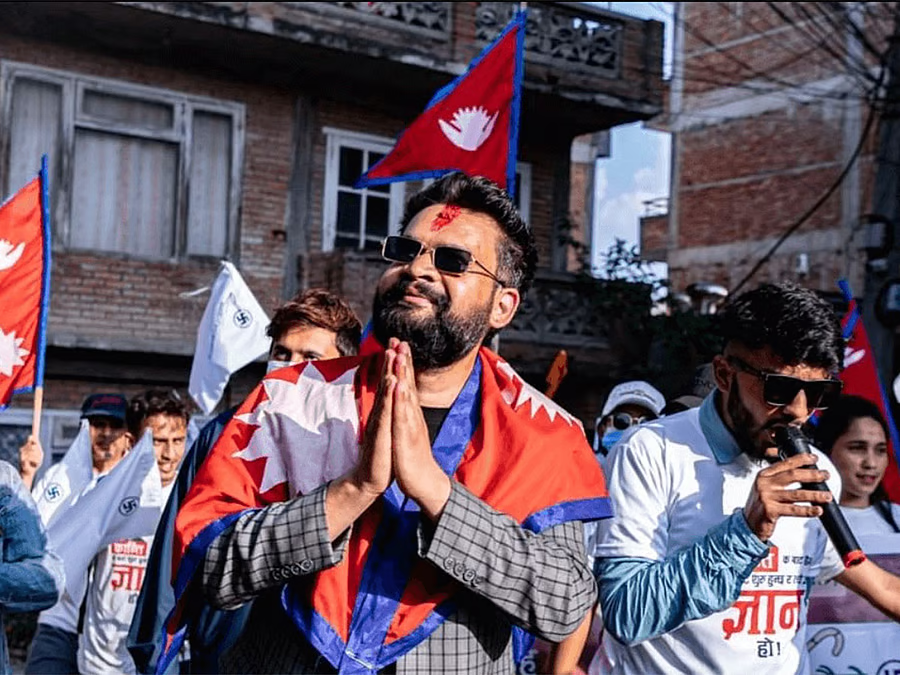
A New Political Generation
At just 35 years old, Balendra Shah represents a generational shift in Nepalese politics. His rise has been fueled by a coalition of urban voters, first-time voters, and young professionals who see him as a leader capable of modernizing government institutions.
His platform has emphasized transparency in public spending, job creation, expanded healthcare and education services, and reforms to reduce bureaucratic inefficiencies.
Yet the challenges ahead are formidable. Nepal faces persistent economic pressures, complex regional diplomacy between India and China, and the difficult task of translating protest energy into effective governance.
Leadership for a Changing Nepal
Balendra Shah’s journey from rap stages to the prime minister’s office illustrates how cultural influence and political leadership are increasingly intertwined in the digital age.
For millions of Nepalis, particularly younger voters, Shah embodies a broader aspiration: a government that listens, adapts, and reflects the ambitions of a new generation determined to reshape the future of their country.
RELATED STORIES:
 Follow SDG News on LinkedIn