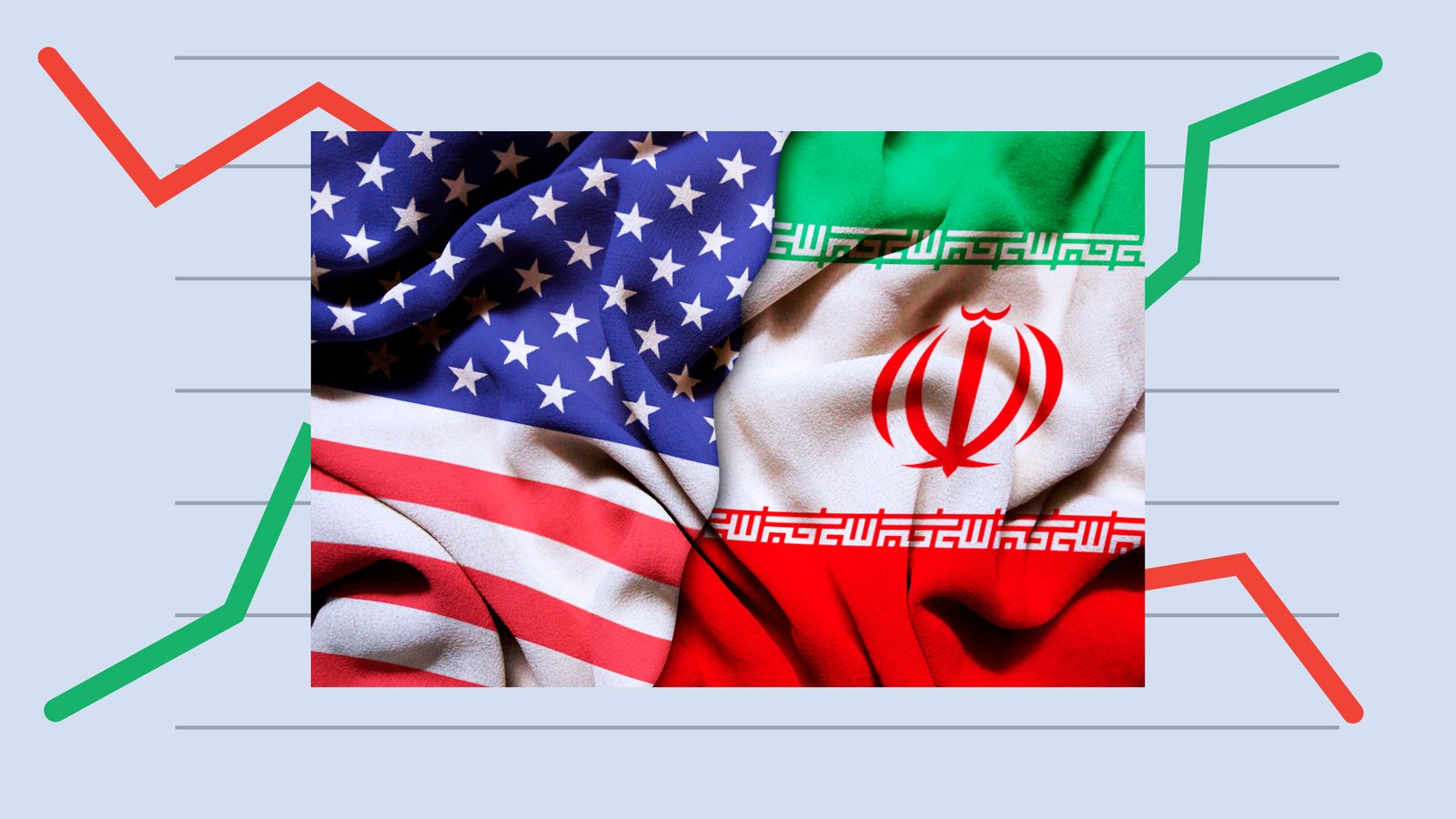
The war in Iran is not confined to the Middle East. Its most profound consequences are being felt thousands of miles away—across Africa, Asia, and other parts of the Global South—where fragile economies are absorbing the full force of a global energy and financial shock.
An Energy Crisis Hits the Most Vulnerable
At the center of the disruption is energy. The conflict has triggered one of the largest oil supply shocks in modern history, driven in part by instability in the Strait of Hormuz—a corridor through which roughly 20 percent of global oil flows.
Fuel prices have surged globally since the war began. But while wealthier nations grapple with inflation, developing economies—many of which are heavily dependent on imported fuel—are facing far more acute consequences.
Across Asia, where energy imports account for a significant share of GDP, growth is already slowing as inflation rises. Governments in parts of Southeast Asia have been forced to ration fuel, limit exports, and even declare energy emergencies as supply chains tighten.
For many African nations, the impact is similarly severe. Rising fuel costs cascade through entire economies, driving up transportation, food, and electricity prices. The result is a rapid erosion of purchasing power in countries where millions already live on the edge.
Inflation, Debt, and the Return of Economic Fragility
The energy shock is now feeding into a broader economic crisis. Global growth projections are being downgraded, with low-income countries and energy importers bearing the brunt of the slowdown.
For many countries in the Global South, this is not just a temporary setback—it is a structural threat. Higher energy prices increase import bills, weaken currencies, and strain already limited fiscal space. Governments that were beginning to recover from pandemic-era debt burdens now face renewed pressure to subsidize fuel and food, risking deeper financial instability.
In major emerging economies, policymakers are scrambling to shield vulnerable populations from rising costs and supply disruptions, reviewing development programs to maintain stability.
This dynamic reflects a deeper vulnerability: the global economic system remains highly sensitive to fossil fuel shocks. And for developing nations, that dependence translates directly into volatility.
Supply Chains Under Strain
Beyond energy, the war is disrupting global trade flows—another channel through which the Global South is feeling the impact.
Shipping constraints, damaged infrastructure, and rising insurance costs are slowing the movement of goods. These disruptions ripple through supply chains, increasing the cost of essential imports such as food, fertilizer, and industrial materials.
In agricultural economies, higher fuel and fertilizer prices threaten crop yields and food security. In manufacturing hubs, rising input costs risk slowing production and export growth.
The result is a compounding effect: higher costs, slower growth, and increasing vulnerability to external shocks.
A Strategic Realignment—and a Risk of Divergence
The crisis is also accelerating a geopolitical and economic realignment. Countries across Asia and Africa are beginning to rethink their energy strategies, with some fast-tracking investments in nuclear power and renewables to reduce dependence on volatile fossil fuel markets.
But this transition is uneven. Wealthier nations have the capital to pivot quickly. Many developing countries do not.
This raises the risk of a widening divide: those able to adapt to a new energy landscape, and those left exposed to recurring shocks.
The New World Order, Felt First on the Frontlines
What is unfolding is not just an energy crisis—it is a stress test of the global economic order. The assumption that energy would flow freely through geopolitical fault lines has been fundamentally challenged.
For the Global South, the consequences are immediate and tangible: higher prices, slower growth, and increasing instability.
For the world, the lesson is broader. In an interconnected system, conflict in one region can reverberate everywhere—but it is the most vulnerable who feel it first, and hardest.
RELATED STORIES:
- Europe’s Hidden Hand in the Iran War
- The Meme War: Iran, Trump, and the Battle for Attention
- From Wind to Storage: Norway’s $2.2 Trillion Fund Pivots to the Grid
- The Iran War’s Shock to the Global System: Energy, Economics, and Global Governance in Crisis
- The War That Burns Twice: How the Iran Conflict Is Rewriting the Future of Energy
 Follow SDG News on LinkedIn