New forecasts warn the climate pattern could intensify humanitarian crises already fueled by conflict, displacement and funding shortfalls.
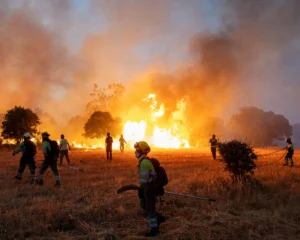
The United Nations is preparing to mobilize up to $100 million in emergency funding as forecasters warn that a new El Niño weather pattern could trigger widespread droughts, flooding and extreme heat across some of the world’s most vulnerable regions.
The anticipated response comes as humanitarian agencies brace for potentially devastating impacts in Latin America, Eastern and Southern Africa, Asia and the Pacific, where millions of people remain highly exposed to climate shocks and have limited capacity to recover from successive disasters.
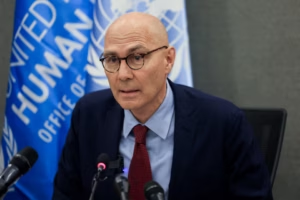
UN Emergency Relief Coordinator Tom Fletcher warned Monday that the coming El Niño event could prove even more severe than the 2023–2024 episode, which left tens of millions of people requiring food assistance, clean water, healthcare, sanitation, nutrition support, agricultural assistance and protection services.
“It comes on top of widespread conflict, rising numbers of people on the move, and as soaring fuel, fertilizer and food prices are squeezing the most vulnerable families – while the humanitarian system reels from deep cuts,” Fletcher said.
Investing Before Disaster Strikes
Rather than waiting for humanitarian emergencies to unfold, the UN is increasingly emphasizing anticipatory action—releasing funds before disasters occur based on scientific forecasts and early warning systems.
The organization has already allocated more than $20 million through its Central Emergency Response Fund (CERF) to support anticipatory action in six countries expected to face heightened climate risks.
By financing early interventions such as protecting water supplies, safeguarding livestock, distributing drought-resistant seeds and strengthening health services, humanitarian agencies aim to reduce both human suffering and the overall cost of disaster response.
The additional funding under consideration would significantly expand those efforts if forecasts continue to indicate severe impacts.
Climate Risks Meet Humanitarian Pressures
The warning highlights the increasingly complex intersection between climate change and humanitarian crises.
Many of the countries expected to be hardest hit are simultaneously confronting armed conflict, economic instability, displacement and fragile public health systems. These overlapping pressures reduce communities’ ability to withstand weather extremes and often prolong recovery long after climate events have passed.
For humanitarian organizations already facing substantial funding reductions, another major El Niño event could further stretch global response capacity.
A Test for Global Preparedness
While El Niño is a naturally occurring climate pattern, scientists have warned that human-induced climate change is increasing the severity and consequences of many extreme weather events, making proactive preparedness increasingly important.
The UN’s planned funding package reflects a growing recognition that early investment can save lives, protect livelihoods and reduce long-term humanitarian costs as climate-related disasters become more frequent and severe.
With forecasts pointing toward another potentially disruptive El Niño, the coming months will test not only the resilience of vulnerable communities, but also the international community’s ability to act before crisis turns into catastrophe.
RELATED STORIES:
 Follow SDG News on LinkedIn