At a moment when old alliances are fraying and global power is being renegotiated, Ursula von der Leyen has emerged as one of Europe’s most consequential leaders. As President of the European Commission, she now stands at the center of a world defined by geopolitical confrontation, economic coercion, climate instability, and shifting transatlantic relations.
Her response to President Trump’s renewed push on Greenland at the World Economic Forum in Davos has made one thing clear. Europe is no longer waiting for Washington to define the terms of the global order. Under von der Leyen, the European Union is moving toward a more confident, cohesive, and strategically autonomous posture, one that blends security, sovereignty, and sustainable development into a single vision of European power.
A Leader Forged in Politics, Policy, and Crisis
Von der Leyen’s path to this role was neither linear nor inevitable, but it helps explain the steadiness she now brings to Europe’s most turbulent period in decades.
Born in Brussels in 1958 and raised partly in Germany, she grew up in a deeply political household. Her father, Ernst Albrecht, was a senior European official and later Minister President of Lower Saxony, helping shape postwar European integration. From an early age, she absorbed the language of diplomacy, multilateral cooperation, and the idea that Europe’s strength lies in unity rather than nationalism.
She trained and practiced as a physician before entering politics, a background that has left a distinct imprint on her leadership style. Rather than instinctively framing problems as ideological or partisan, she tends to treat crises as systemic failures that require pragmatic, institutional solutions.
When she became Germany’s Federal Minister for Family Affairs in 2005, she developed a reputation as a reformer willing to take on entrenched interests inside her own party. She later served as Germany’s Minister of Labour and Social Affairs from 2009 to 2013, where she pushed policies that balanced competitiveness with social protection.
Her tenure as Germany’s Minister of Defense from 2013 to 2019 was especially formative. She inherited a military in need of reform, faced internal resistance, and learned how hard it is to modernize institutions that move slowly by design. That experience sharpened her sensitivity to Europe’s defense vulnerabilities and the risks of overreliance on any single ally. It is a key reason she has been so vocal about the need for greater European readiness and industrial capacity today.
Ursula von der Leyen assumed the presidency of the European Commission in December 2019, just months before the Covid pandemic. During that crisis, she led the creation of a joint European vaccine procurement system and coordinated the historic 750 billion euro recovery plan, proving that the EU could act collectively in moments of existential pressure.
Together, these experiences have shaped a leader who is both cautious and assertive, institutionally minded yet politically savvy, and deeply committed to the idea that Europe must be capable of standing on its own.
Davos and the Greenland Moment
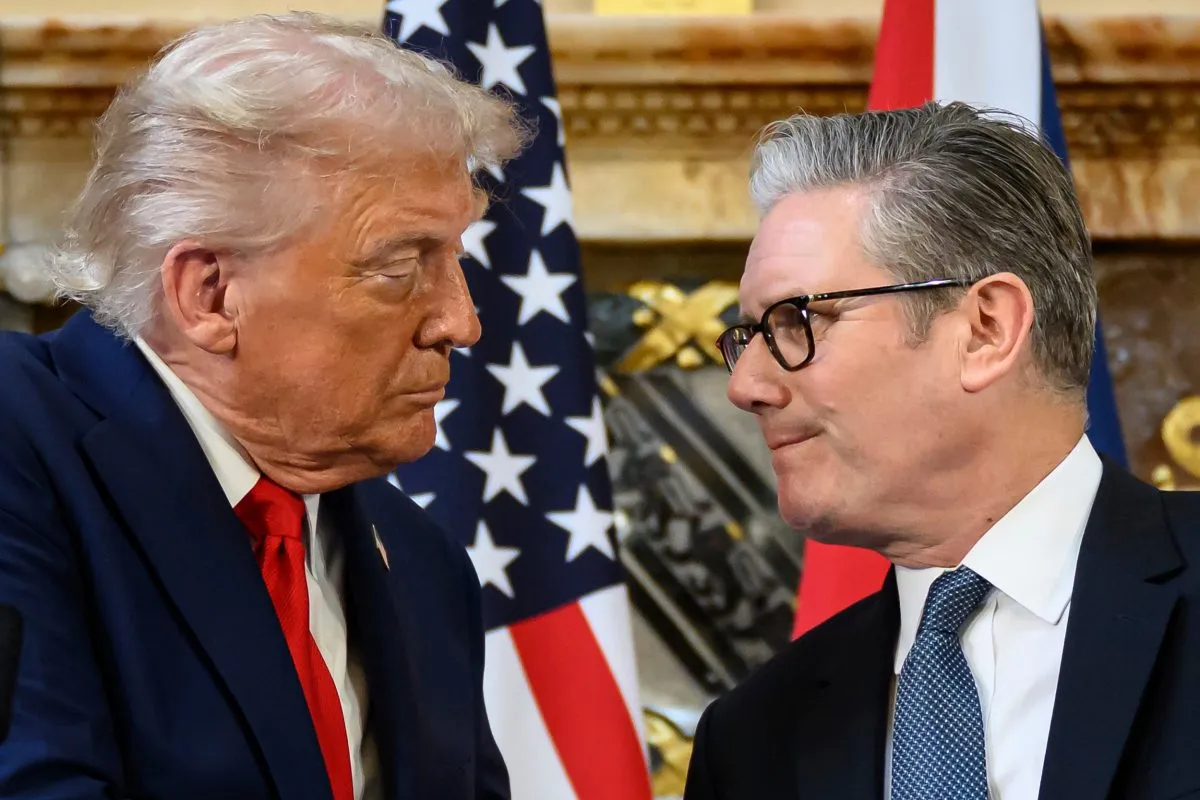
It is against this backdrop that her Davos intervention must be understood. When Trump signaled his intent to pressure Denmark and Greenland, von der Leyen did not respond with outrage alone. She framed the moment as proof that Europe must permanently strengthen its strategic independence.
In Davos, she warned that Europe cannot afford complacency. The transatlantic relationship remains vital, but it can no longer be treated as automatic or unconditional. Her message was clear. Europe must be united, prepared, and proportional in the face of economic or political coercion.
She also reaffirmed that decisions about Greenland’s future belong to Greenlanders and to the Kingdom of Denmark, not to external powers. This defense of sovereignty aligns with the EU’s broader commitment to multilateral norms, self determination, and peaceful diplomacy.
Security, Climate, and the Arctic
Ursula von der Leyen has coupled her diplomatic stance with concrete policy moves. The European Commission is now developing a comprehensive Arctic security package aimed at strengthening infrastructure, resilience, and cooperation in the High North.
This reflects a deeper understanding that climate change is not just an environmental issue but a geopolitical one. As the Arctic melts, new shipping routes, resource competition, and military vulnerabilities are emerging. By investing in Arctic security and sustainability together, von der Leyen is positioning the EU as a responsible power in one of the world’s most fragile regions.
A New Europe Taking Shape
More broadly, her leadership points toward a Europe that is less reactive and more strategic. She has pushed for deeper economic integration, stronger supply chains, and greater investment in clean energy and digital infrastructure. These efforts are not only about competitiveness. They are about reducing Europe’s exposure to external shocks and aligning economic strength with sustainability.
In this sense, von der Leyen’s presidency connects geopolitics with the Sustainable Development Goals. A more resilient Europe is better positioned to advance climate action, defend democratic institutions, and build genuine global partnerships.
A Leader Shaping Europe’s Next Era
Ursula von der Leyen now stands at the intersection of three forces that will define the coming decade. Climate disruption, geopolitical rivalry, and economic realignment.
Her background as a doctor, defense minister, and crisis manager has equipped her with a rare mix of technical rigor, political instinct, and institutional patience. At Davos, she showed that she is not merely managing Europe’s present. She is actively shaping its future.
In a world where power is being renegotiated, Ursula von der Leyen is helping define what a confident, sustainable, and strategically independent Europe looks like.
- EU Proposes Green Bonds, Carbon Pricing, and Strategic Investments to Aid Small Island States in Climate Action
- Green Claims Directive in Limbo as EU Commission Denies Withdrawal
- Rising Star of the Week: Xiye Bastida, Champion of Climate Justice at Davos 2024
- EU to Unveil Roadmap to End Russian Fossil Fuel Imports by 2027
- Troy von Otnott Wants to Spark a Global Geothermal Revolution
 Follow SDG News on LinkedIn