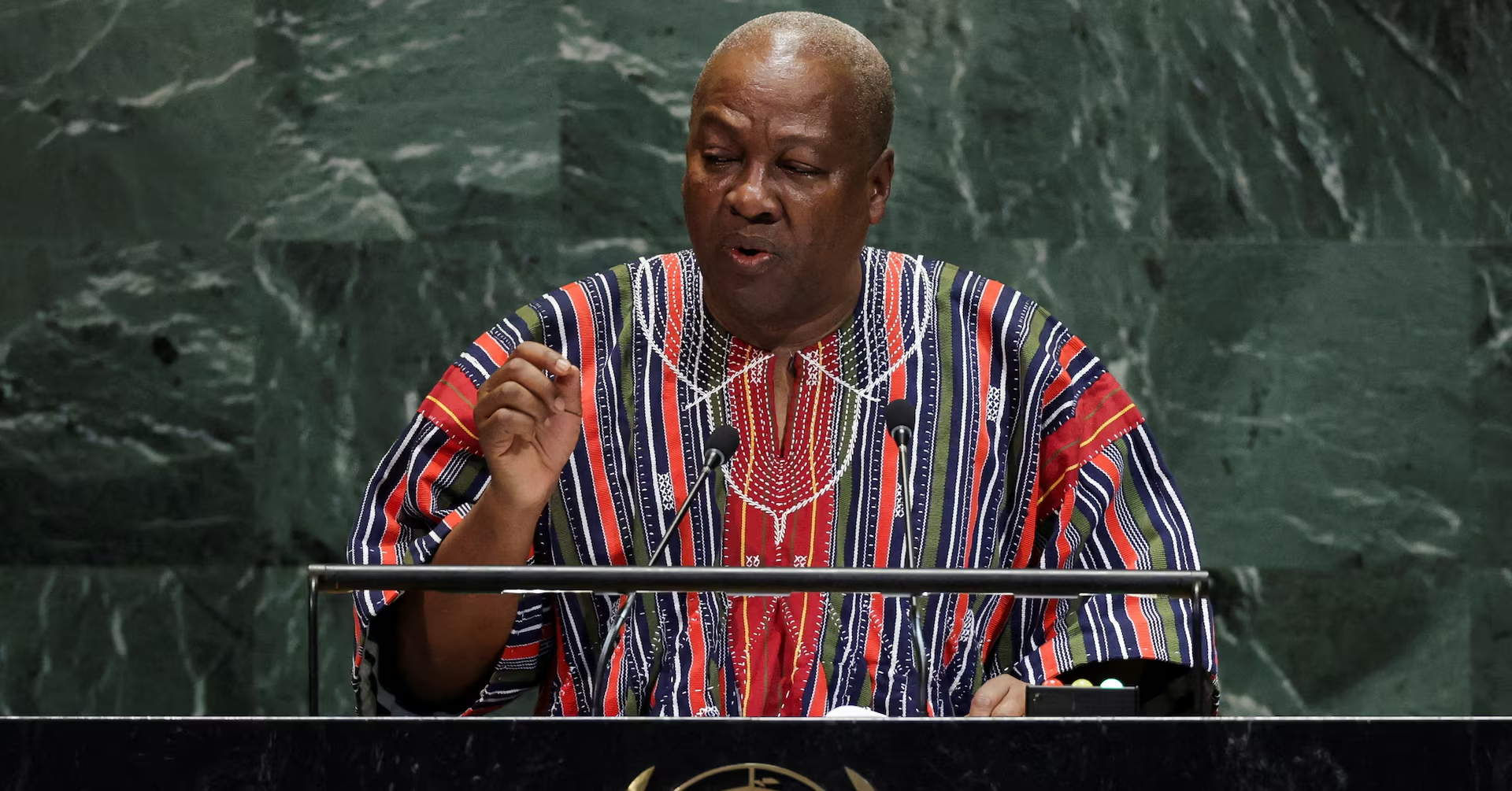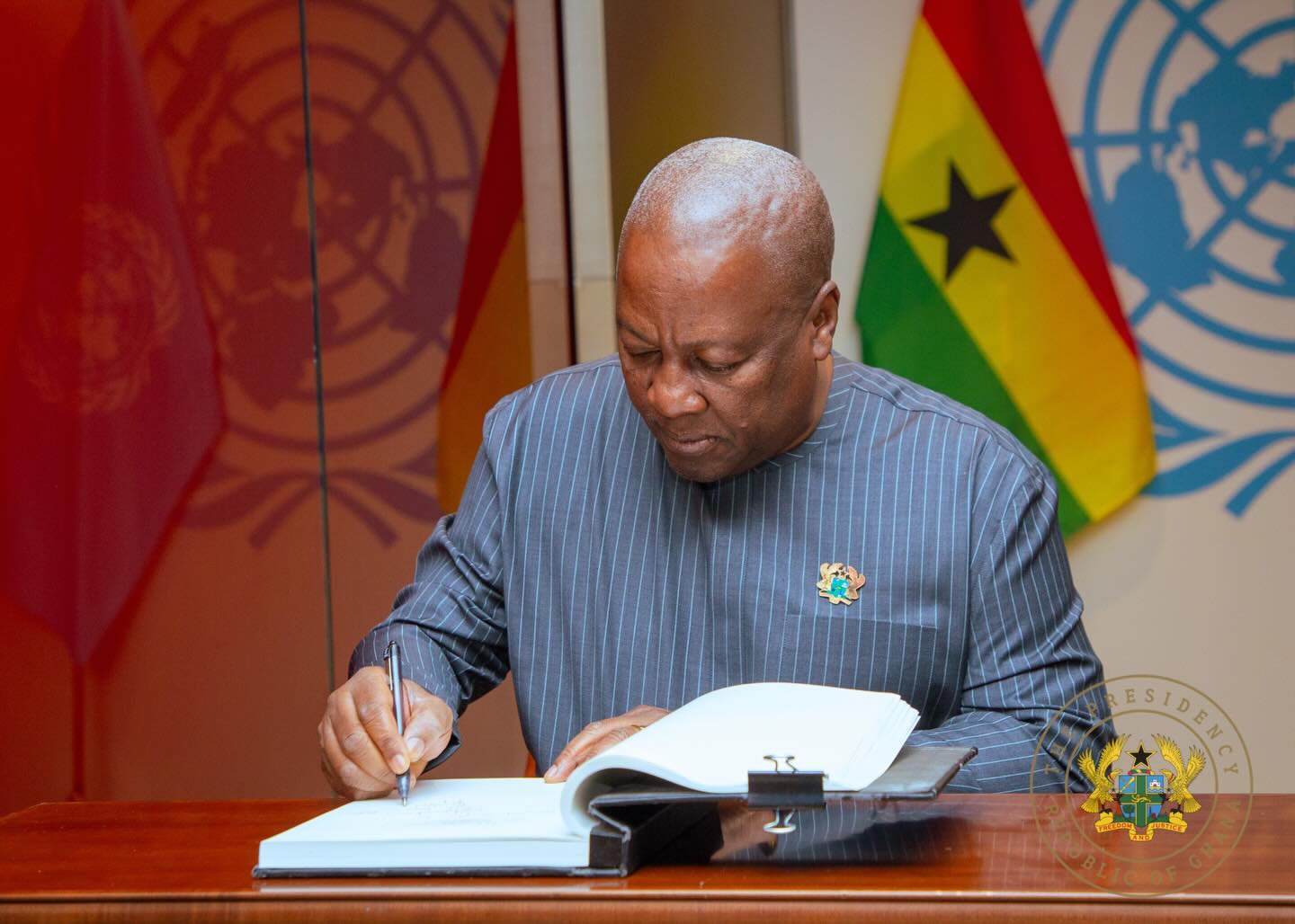
The words “inclusivity,” “resilience,” and “reforms” pulsed in green and blue across digital screens at UN Headquarters last week, a visual cue from artist Marsha Dunn for what was billed as a historic debut. On 24 September, the United Nations convened its first-ever Biennial Summit for a Sustainable, Inclusive and Resilient Global Economy—an attempt to put development finance at the center of the 2030 Sustainable Development Goals (SDGs).
“This Biennial Summit is not just another meeting,” Secretary-General António Guterres declared. “It is the first of its kind.”
The gathering drew G7 and G20 leaders, heads of international institutions, and ministers preparing for COP30. It marked the institutionalization of a process first proposed by Guterres in 2021 and codified in the Pact for the Future agreement as a vehicle to overhaul the global financial system.
Debt Warnings and Reform Demands
International Monetary Fund Managing Director Kristalina Georgieva sounded the sharpest alarm, warning that global public debt is on track to reach 100 percent of GDP by 2030. Without decisive action, she said, many states will lack the fiscal space “to absorb future shocks and to attend to the pressing needs of their populations.”
Her prescription: flatten or reduce debt trajectories, remove outdated regulations, strengthen property rights, and unlock private capital flows. “Where access to finance is constrained, make it easy,” Georgieva urged.
A $4 Trillion Shortfall
South African President Cyril Ramaphosa, set to preside over the G20 later this year, pointed to the estimated $4 trillion annual financing gap blocking SDG progress. He called for “faster and fairer” debt relief, reforms to global tax rules to curb illicit financial flows, and greater accessibility to concessional financing.
“We need confidence that commitments that are made will be honoured,” he told the summit. “Global rules must be shaped by all members and not just a few.”
Trade Amid Turbulence
The global trade system was another focus. World Trade Organization Director-General Ngozi Okonjo-Iweala highlighted what she termed its “remarkable resilience.” Despite geopolitical headwinds, digitally delivered services rose nearly 10 percent in 2024 to almost $5 trillion, while South-South trade continued to expand.
She urged governments to diversify supply chains and lean into regional and free trade agreements, even as US tariff measures have created what she called “an unstable and uncertain equilibrium.”
Reforming the Post-War Financial Architecture
Closing the session, Guterres returned to a long-standing theme: the inadequacy of a financial system designed in the aftermath of World War II. Public resources remain “extremely scarce” compared to the scale of needs, he said, and international financial institutions must do more to leverage private investment at reasonable borrowing costs—especially for developing countries.
He denounced what he described as a structural “bias against the interests of developing countries” in capital markets, stressing that access to affordable finance is essential to ensure sustainable and inclusive growth.
What It Means for Global Leaders
The inaugural finance summit signals a shift: development financing—long the undercurrent of SDG negotiations—has now been elevated to a biennial UN platform with the potential to shape debt restructuring, tax reform, and investment flows for the decade ahead.
For diplomats and policymakers, the takeaways are clear. The credibility of the SDGs hinges on closing the multi-trillion-dollar gap. The battle over fair debt relief, tax justice, and reform of multilateral institutions is no longer a side agenda; it is the main stage.
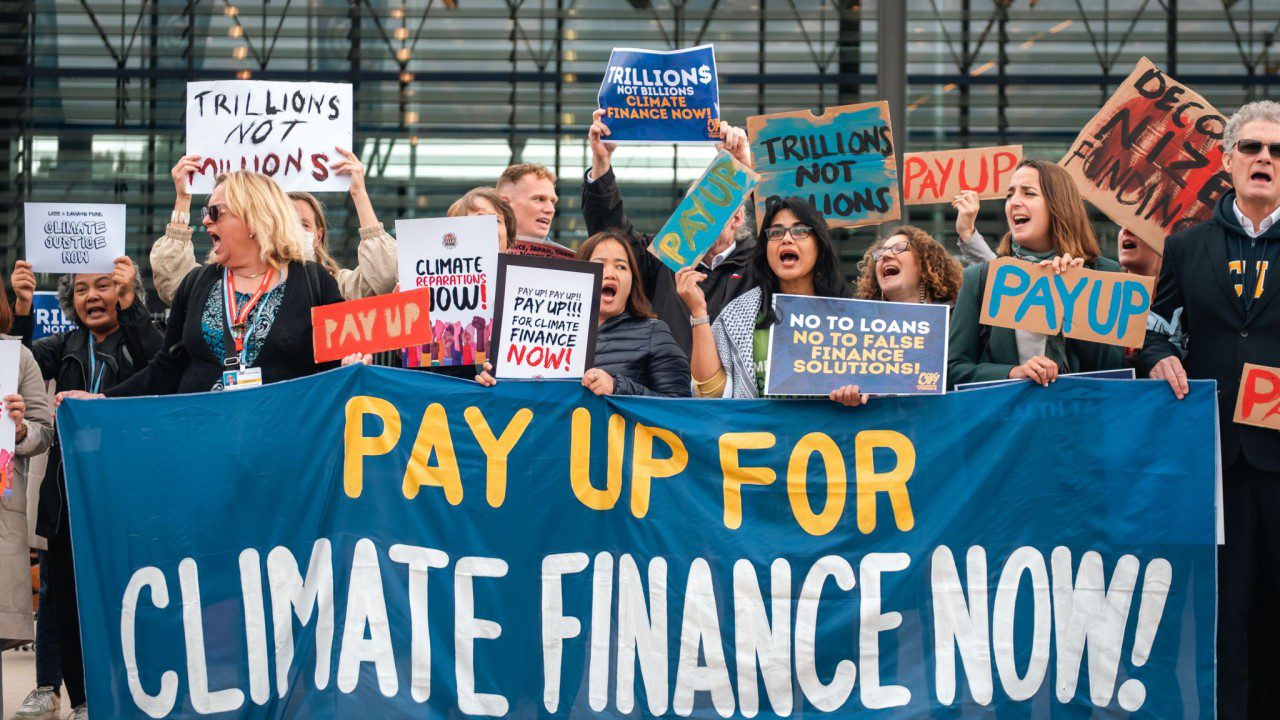
Related Article: Show us the Money: Finance Central at COP29
 Follow SDG News on LinkedIn