The global energy system has entered a new phase of geopolitical fragility, as escalating tensions between the United States and Iran push oil prices to a four-year high while exposing the limits of both military pressure and diplomatic leverage. What is unfolding is not a temporary commodity spike. It is a structural shock to the global economic order, with cascading implications for inflation, trade balances, and sovereign stability.
A War Measured in Barrels
Oil markets are no longer reacting to headlines. They are pricing in sustained disruption. Brent crude surged past $120 per barrel this week, marking its highest level in four years, before settling into a volatile range as traders recalibrate expectations around supply risk.
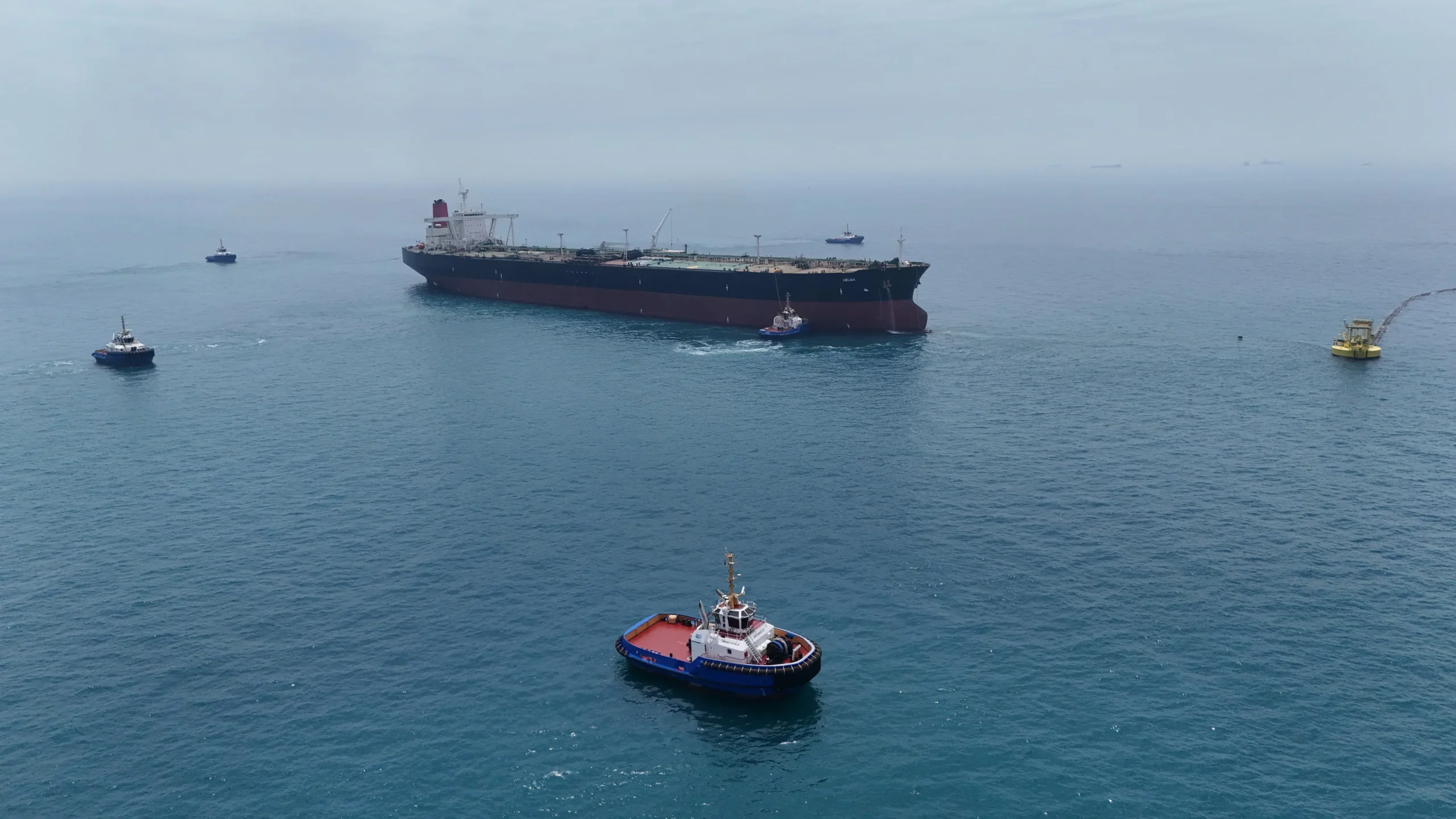
At the center of the crisis lies the Strait of Hormuz, the most consequential artery in the global energy system, through which roughly one-fifth of global oil flows. Any sustained disruption has immediate systemic consequences. What began as a regional confrontation has now translated into a global economic shock, with governments, corporations, and financial institutions increasingly preparing for a prolonged period of constrained supply.
The shift is psychological as much as physical. Markets are no longer assuming a rapid return to normal. Instead, they are adjusting to a new baseline defined by uncertainty and scarcity.
Iran’s Strategic Offer and the Limits of Negotiation
Behind the price surge is a diplomatic stalemate that is proving resistant to traditional resolution mechanisms.
Iran has floated proposals aimed at de-escalation, including temporary constraints on nuclear activity in exchange for sanctions relief and the easing of maritime restrictions. The United States, however, continues to insist on more expansive concessions, including structural limitations on Iran’s nuclear capabilities, while maintaining economic and naval pressure.
This divergence has produced a form of constrained diplomacy. Engagement continues, but the conditions for compromise are structurally misaligned. Iran frames the issue as sovereignty and security. The United States frames it as compliance and deterrence. The result is a negotiation environment that exists without a credible pathway to near-term resolution.
Markets have internalized this reality. Risk is no longer episodic. It is embedded.
The Inflation Transmission Mechanism
The implications extend far beyond crude oil.
Energy is the foundational input across the global economy, embedded in transportation, agriculture, manufacturing, and industrial production. As oil prices climb, the effects cascade outward. Petrochemical costs are rising sharply, increasing the price of fertilizers, plastics, and a wide array of consumer goods. Shipping costs are adjusting upward. Insurance premiums for maritime transit are climbing in parallel.
This is the transmission mechanism driving a new wave of inflationary pressure. It is not demand-driven. It is supply-constrained and geopolitically induced.
Central banks now face a familiar but increasingly difficult dilemma. Tightening monetary policy to combat inflation risks suppressing already fragile growth. Maintaining accommodative conditions risks allowing inflation to become entrenched. The result is a policy environment increasingly defined by trade-offs rather than solutions.
For energy-importing economies, particularly across Europe and Asia, the shock is immediate. Strategic reserves are being drawn down. Fiscal interventions are being deployed. Yet these are temporary buffers against what is becoming a longer-term structural challenge.
Energy as Leverage in the New World Order
The Iran crisis reinforces a deeper shift underway in the global system. Energy is once again a primary instrument of geopolitical power.
Iran’s geographic position allows it to exert outsized influence over global markets. Its ability to threaten or disrupt flows through the Strait of Hormuz provides leverage that extends far beyond its direct export capacity. This is asymmetric power in its most effective form.
The United States, in turn, is leveraging its naval capabilities and financial architecture to constrain Iran’s economic channels while working to secure international shipping routes. This interplay reflects a broader evolution toward economic statecraft, where control over infrastructure, supply chains, and financial systems defines strategic advantage.
The energy market has become the arena where these dynamics are most visibly expressed.
Winners, Losers, and Strategic Realignment
The redistribution effects are already underway.
Energy-producing nations and major oil companies are experiencing a surge in revenues, benefiting from elevated price levels and constrained supply. At the same time, energy-importing countries are absorbing the costs through deteriorating trade balances, rising subsidies, and increased fiscal pressure.
For many developing economies, the situation is particularly acute. Currency stability is being tested as import costs rise, and debt sustainability is becoming more fragile in the face of external shocks.
The crisis is also accelerating structural shifts that were already in motion. Governments are revisiting domestic energy strategies, increasing investment in production capacity, and reassessing the resilience of their supply chains. Strategic reserves are being reconsidered not as temporary tools, but as long-term components of national security. Interest in alternative energy pathways is intensifying, even as short-term dependence on fossil fuels deepens.
The Strategic Outlook
The central question is no longer whether markets will stabilize, but under what conditions and over what timeline.
If disruptions in the Strait of Hormuz persist, oil prices could continue to climb, potentially approaching levels not seen in over a decade. Even in the event of a diplomatic breakthrough, normalization will not be immediate. Supply chains have been disrupted, shipping patterns altered, and geopolitical mistrust deepened.
What is unfolding is not an isolated shock. It is a signal of a broader transformation. The global economy is entering an era where geopolitical fractures are transmitted directly through energy systems, reshaping both the balance of power and the architecture of international finance.
RELATED STORIES:
- How the Iran War Is Accelerating the World’s Shift to Energy Independence
- The Iran War’s Shock to the Global System: Energy, Economics, and Global Governance in Crisis
- The War That Burns Twice: How the Iran Conflict Is Rewriting the Future of Energy
- $100 Oil and Rising: Iran War Triggers Global Energy Shock and Rewrites the Rules of the Energy Transition
- UN Chief Guterres Says U.S., Israel, and Iran May Have Committed War Crimes in Escalating Conflict
 Follow SDG News on LinkedIn