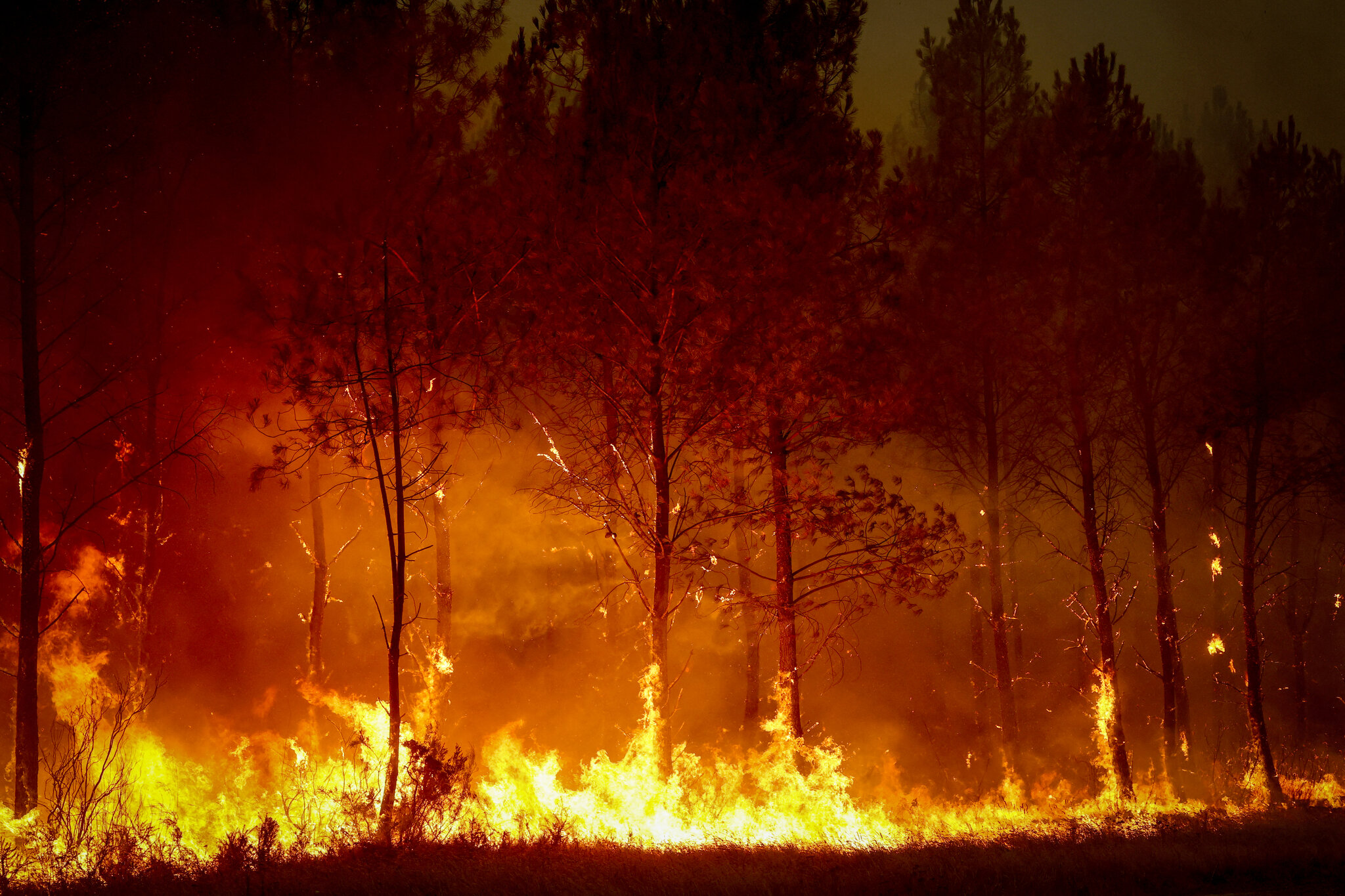
A working lunch at the Belém Climate Summit turned into a decisive financing moment as leaders from more than thirty countries and the UN Secretary-General joined Brazil’s President Luiz Inácio Lula da Silva to launch the Tropical Forest Forever Facility at the COP30 Leaders’ Summit. The agreement sets in motion a mechanism that pays countries to keep forests standing and allocates a guaranteed share to the communities who protect them.
Participants included President Luiz Inácio Lula da Silva, ministers Marina Silva, Fernando Haddad, Mauro Vieira, and Sonia Guajajara, Norway’s Prime Minister Jonas Gahr Støre, UN leadership, and a World Bank representative.
A pay-for-canopy system with global reach
The Tropical Forest Forever Facility (TFFF) arrives with endorsements from 53 countries, 34 of them tropical forest nations representing more than 90 percent of tropical forests in developing countries. Initial pledges exceed USD 5.5 billion. Norway committed USD 3 billion over ten years subject to conditions, Brazil and Indonesia reconfirmed USD 1 billion each, Portugal committed USD 1 million, the Netherlands pledged USD 5 million for the secretariat, France indicated up to €500 million by 2030 under specific conditions, and Germany’s financial decision is pending talks between President Lula and Chancellor Merz. The World Bank will serve as trustee and interim host while the Tropical Forest Investment Fund is established to begin operations.
How the facility works
Payments will be triggered by annual satellite remote sensing that tracks forest canopy cover. The architecture blends sovereign, philanthropic, and private capital at a one-to-four ratio, targeting a medium-term capitalization of USD 125 billion, including USD 25 billion in sponsor capital and USD 100 billion from institutional investors. Governance gives forest and sponsor countries equal footing. At least 20 percent of resources flow directly to Indigenous Peoples and Local Communities, and the facility excludes investments with significant environmental harm, including coal, peat, oil, and gas. Officials say the structure can materially expand environment ministry budgets across participating countries.
Political ownership and diplomatic design
Brazil led the design with partners including the Democratic Republic of Congo, Ghana, Malaysia, Indonesia, Colombia, the UK, Germany, Norway, France, and the UAE, alongside contributions from Indigenous and local leaders. President Lula framed the launch as a turning point in agenda-setting by the Global South, calling the initiative “unprecedented.” Marina Silva described it as a “turning point” that recognizes ecosystem services and offers permanent incentives for preservation. Finance Minister Fernando Haddad called it an “innovation in international financial architecture” built for durability. Foreign Minister Mauro Vieira emphasized equitable governance and the guaranteed share for communities, presenting the facility as a reinvention of practical multilateralism. Minister Sonia Guajajara underscored the “historic achievement” of a 20 percent allocation to guardians of the forest. Norway’s Prime Minister Jonas Gahr Støre urged speed, citing the need for stable, long-term funding.
Why it matters for SDGs and the real economy
UNEP estimates more than USD 66.7 billion is needed annually for forest protection and restoration. By placing a predictable value on forest cover and creating a clear route for institutional capital, the Tropical Forest Forever Facility fills a missing piece in global climate and biodiversity finance. For governments, it promises budget certainty and a measurable conservation dividend tied to verifiable data. For investors, it provides a de-risked platform to engage in ecosystem-service finance at scale.
The next steps are operational: stand up the Tropical Forest Investment Fund in a national jurisdiction, finalize sponsor contributions still under discussion, and continue investor engagement to build toward the USD 125 billion target. If Belém was the launch, the proving ground will be the first disbursements measured against transparent canopy data and the speed with which funds reach Indigenous and local communities.
In a year when credibility in climate finance is measured by delivery, not announcements, the Tropical Forest Forever Facility offers a testable model: pay for living forests, measure the canopy, and let capital follow permanence.
+
SDG NEWS INSIDER
Actionable Intelligence for Senior Government Officials
Tropical Forest Forever Facility
Forest cover becomes a tradable fiscal asset for sovereign balance sheets.
Read the SDG News Insider
Tropical Forest Forever Facility — Turning Canopy into Capital
The Tropical Forest Forever Facility marks a structural innovation in global environmental finance — converting tropical forest cover into a measurable, tradable asset for sovereign balance sheets. By integrating satellite verification with blended capital under World Bank oversight, it offers governments a fiscal model to monetize conservation outcomes rather than bear them as budgetary costs.
Key Insights
Forest Cover Becomes Fiscal Value
Verified canopy data can anchor budgetary inflows tied to measurable ecosystem performance, expanding fiscal space for tropical nations.
Diplomatic Leverage Shifts Southward
The TFFF redefines multilateral influence by positioning forest-rich developing countries as co-architects of climate finance, not aid recipients.
Policy Integration Required
Ministries of finance, environment, and digital governance must align early to operationalize canopy-based payment systems and manage revenue flows transparently.
Strategic Takeaway
For finance ministries and MDBs, the lesson is clear: treat verified forest cover as a sovereign asset class — and build the regulatory infrastructure to bank it.
READ MORE RELATED STORIES:
- Brazil at the UN: Lula Confronts U.S. Pressure in Defiant Speech
- Financial institutions face $216 billion annual forest funding gap ahead of COP30
- Global Sustainable Debt Market Surpasses $5 Trillion, Setting New Records for 2024
- UNEP FI: Private Finance for Nature Surges to $102 Billion, Innovations Accelerate
- Brazil Positions COP30 as Turning Point for a Fairer, More Inclusive Climate System
 Follow SDG News on LinkedIn