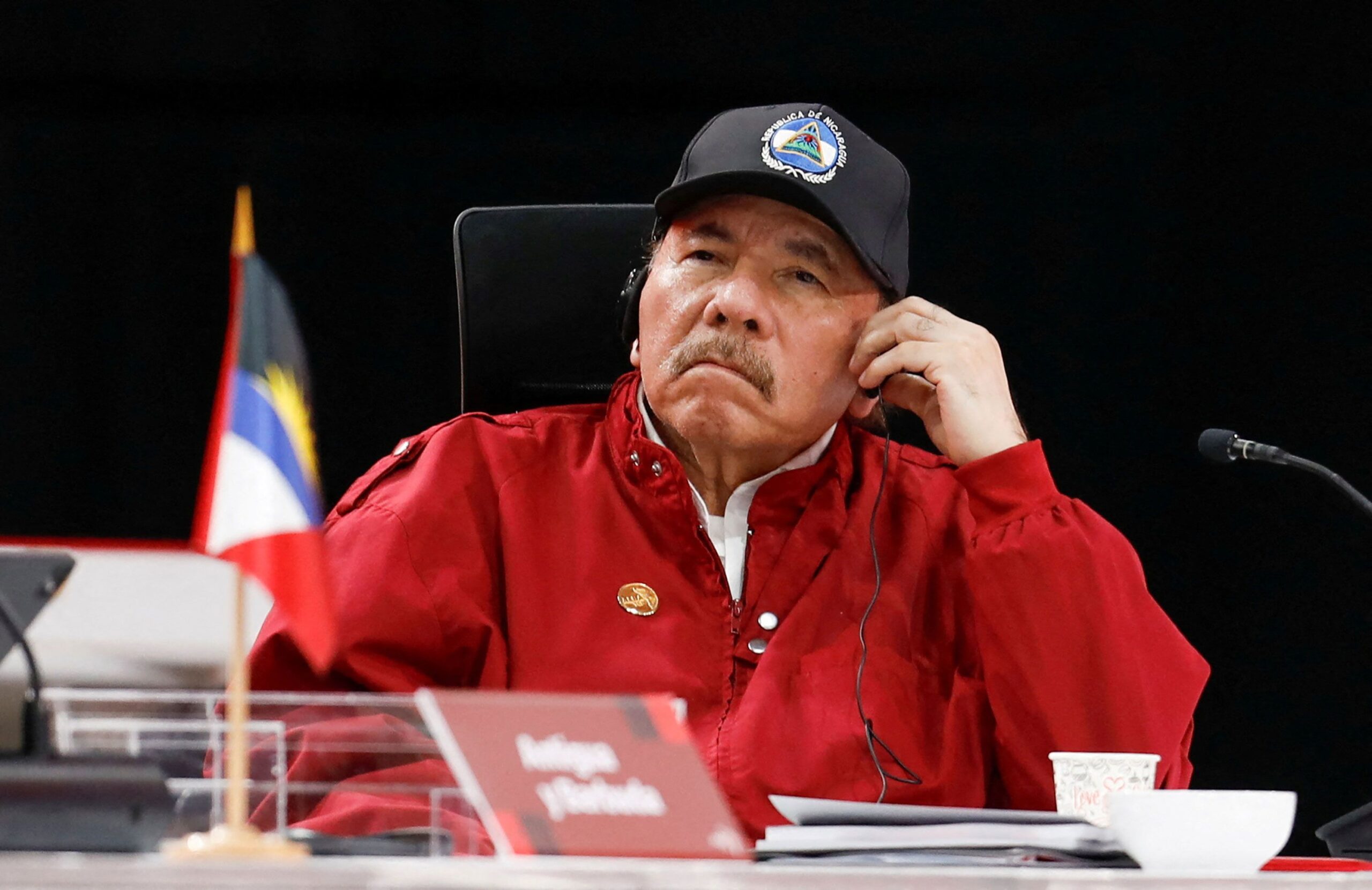
DHAKA — Bangladesh President Mohammed Shahabuddin resigned Friday, citing serious health concerns, ending his tenure during the country’s continuing political transition following the 2024 uprising that removed former Prime Minister Sheikh Hasina from power.
Mohammed Shahabuddin, 76, said he had been diagnosed with autonomic neuropathy, a neurological condition that can cause temporary loss of consciousness. Under Bangladesh’s constitution, the Speaker of Parliament will serve as acting president until lawmakers elect a successor.
Although the presidency is largely ceremonial under Bangladesh’s parliamentary system, the office holds important constitutional responsibilities, including formally appointing the prime minister and exercising certain reserve powers during periods of political transition.
A Political Landscape in Transition
The resignation comes less than six months after Bangladesh’s February 2026 general election, which followed an 18-month interim administration led by Nobel Peace Prize laureate Muhammad Yunus. The election returned Prime Minister Tarique Rahman and the Bangladesh Nationalist Party (BNP) to power after nearly two years of political uncertainty following the 2024 uprising.
Bangladesh continues to undergo political and institutional reforms as the country reshapes its governing institutions. Hasina’s Awami League has been banned, many of its senior leaders remain imprisoned or in exile, and authorities are pursuing broader constitutional and judicial reforms.
Political Context Surrounding the Resignation
While Mohammed Shahabuddin said health concerns prompted his decision to step down, the resignation has drawn political attention because of his longstanding association with Sheikh Hasina.
Reuters reported that government officials had privately urged Mohammed Shahabuddin to resign following Hasina’s announcement that she intends to return to Bangladesh later this year after being convicted in absentia. Reuters also reported that his departure removes the last senior constitutional officeholder closely associated with Hasina’s former administration. Those reports have not been publicly confirmed by the government.
Focus Shifts to Hasina’s Planned Return
The leadership change comes ahead of Hasina’s announced intention to return from exile in India later this year to surrender to Bangladeshi authorities.
Authorities are preparing for her anticipated return as they seek to enforce court rulings while managing the possibility of demonstrations by both supporters and opponents.
The Associated Press notes that Bangladesh’s political landscape has changed substantially since the 2024 uprising. Alongside the BNP’s return to government, new political movements that emerged from the student-led protests have become influential participants in the country’s political system, illustrating how the balance of political power has evolved during the transition.
What Comes Next
Parliament is expected to elect a new president in the coming weeks.
While the office has limited executive authority, the appointment will be one of the first major constitutional decisions following Bangladesh’s recent political transition. The selection will also take place as the country continues implementing institutional reforms and prepares for the next phase of its post-2024 political landscape.
RELATED STORIES:
- Bangladesh Election: BNP Landslide Sets Stage for Landmark Reform Charter
- Bangladesh Launches Biodiversity Finance Initiative to Bridge Nature Funding Gap
- Post-Election Corporate Sustainability Outlook: Resilience Amid Policy Shifts
- Colombia Heads to a Polarizing Runoff After Surprise Election Upset
 Follow SDG News on LinkedIn