Brussels – At a moment when the global economy is already under strain, European leaders convened this week facing a convergence of crises that are redefining the continent’s political and economic trajectory. The summit revealed not just policy disagreements, but a deeper truth. Europe’s ability to act collectively is being tested in real time.
The meeting underscored a growing reality for global leaders. In an era shaped by war, energy volatility, and shifting trade dynamics, unity is no longer assumed. It must be actively negotiated.
A Union Divided Over Ukraine
The most consequential fracture emerged over a €90 billion loan package intended to sustain Ukraine’s government and war effort. Despite prior agreement among most member states, Hungarian Prime Minister Viktor Orbán refused to lift his veto, triggering sharp backlash from fellow leaders.
The blockage is rooted in a broader geopolitical dispute tied to energy flows. Hungary has linked its support for Ukraine funding to the restoration of oil deliveries through the Druzhba pipeline, which it claims has been disrupted. Ukraine maintains that the damage stems from Russian attacks and ongoing security risks.
The standoff has immediate consequences. Ukraine faces mounting fiscal pressure as it continues to defend itself against Russia, while European leaders scramble to find alternative mechanisms to deliver the funds.
For many in Brussels, the episode represents more than a single disagreement. It raises fundamental questions about whether unanimity rules can survive in an era of heightened geopolitical urgency.
The Rise of Transactional Politics Inside the EU
What emerged from the summit is a shift toward more transactional behavior within the European Union itself. Leaders increasingly appear willing to leverage veto power not only for national interests, but as bargaining tools tied to unrelated disputes.
Orbán’s position, widely criticized by other European leaders, reflects a broader trend in global governance. Alliances are becoming conditional.
This mirrors a wider geopolitical pattern in which countries are recalibrating partnerships based on immediate economic or political leverage rather than long term alignment. For the EU, a bloc built on consensus and shared values, this shift carries profound implications.
Economic Pressures Mount Across the Continent
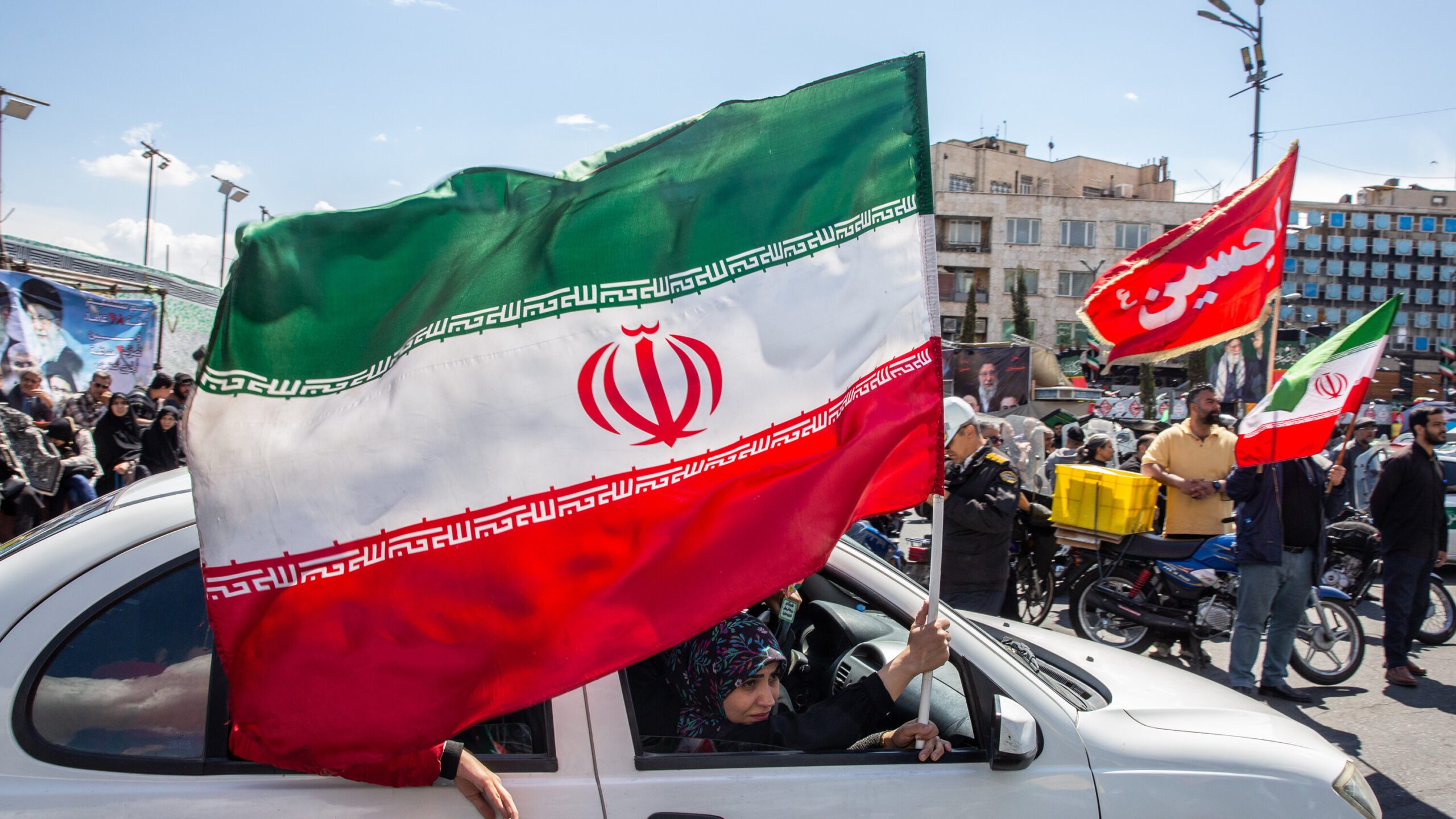
Beyond Ukraine, leaders grappled with intensifying economic headwinds. The war in Iran and its ripple effects on global energy markets have pushed fuel prices higher, raising concerns about inflation and industrial competitiveness.
European economies are already navigating a fragile recovery. The added strain of energy volatility, combined with ongoing trade disruptions, is forcing policymakers to reconsider fiscal priorities and industrial policy.
In parallel, debates over competitiveness and strategic autonomy are accelerating. Europe is increasingly focused on reducing dependencies, whether on external energy sources, critical technologies, or global supply chains.
Energy Security Becomes Central to Strategy
Energy has emerged as the connective thread linking many of the summit’s tensions. The dispute between Hungary and Ukraine highlights how infrastructure vulnerabilities can quickly escalate into geopolitical flashpoints.
Across Europe, governments are doubling down on efforts to secure diversified energy supplies, invest in renewables, and shield their economies from external shocks.
The lesson is clear. Energy is no longer just an economic issue. It is a central pillar of national security and political stability.
A Defining Moment for European Leadership
Taken together, the summit’s outcomes point to a European Union at an inflection point. The bloc remains one of the world’s most powerful economic and political actors, but its internal cohesion is under increasing strain.
Leaders left Brussels with no easy resolutions, only a clearer understanding of the stakes. The ability to act collectively on Ukraine, manage economic turbulence, and maintain unity in the face of external pressures will define Europe’s role in the years ahead.
For global observers, the message is unmistakable. The future of multilateralism may depend not only on external threats, but on whether alliances can withstand the pressures from within.
RELATED STORIES:
- The Cost of Trump’s Transactional Alliance Doctrine Is Now Unfolding in Real Time
- The Red Line Moment: Trump’s 100 Percent Tariff Tests the Limits of Trade Power
- The Art of the Misdeal: What Greenland Revealed About the Price of Transactional Power
- Weimar+ Leaders Strengthen Ukraine Assistance While Weighing Escalated Sanctions on Russia
- From Confrontation to Containment: The West Recalibrates in Munich
 Follow SDG News on LinkedIn