Sustainable Development Goals (SDGs): A Global Blueprint for 2030
Advancing peace, prosperity, and a sustainable future for all
The Sustainable Development Goals (SDGs) form the core of the United Nations 2030 Agenda for Sustainable Development — a universal commitment to end poverty, protect the planet, and ensure peace and prosperity for everyone. Adopted by 193 UN member states in 2015, these 17 Global Goals define how nations measure progress toward a sustainable and inclusive world.
Understanding the Sustainable Development Goals
How the SDGs Shape Global Action for People and Planet
The Sustainable Development Goals (SDGs) represent a shared vision for humanity — seventeen interconnected objectives that balance economic growth, social inclusion, and environmental protection. Together, they form the foundation of the UN 2030 Agenda for Sustainable Development, adopted in 2015 as a blueprint for peace and prosperity for people and planet.
Each goal addresses a critical global challenge — from ending poverty and hunger to promoting quality education, gender equality, and climate action. The SDG framework emphasizes that progress in one area strengthens outcomes in others, creating an integrated path toward sustainability. At its heart lies the pledge to leave no one behind, focusing efforts on the world’s most vulnerable people and communities.
For governments, businesses, and citizens alike, the SDGs provide clear targets for achieving sustainable development by 2030. They guide policy, investment, and innovation across sectors, linking local action to global impact. The UN SDGs are not just a set of goals — they are a call to transform the way the world works for people and the planet.
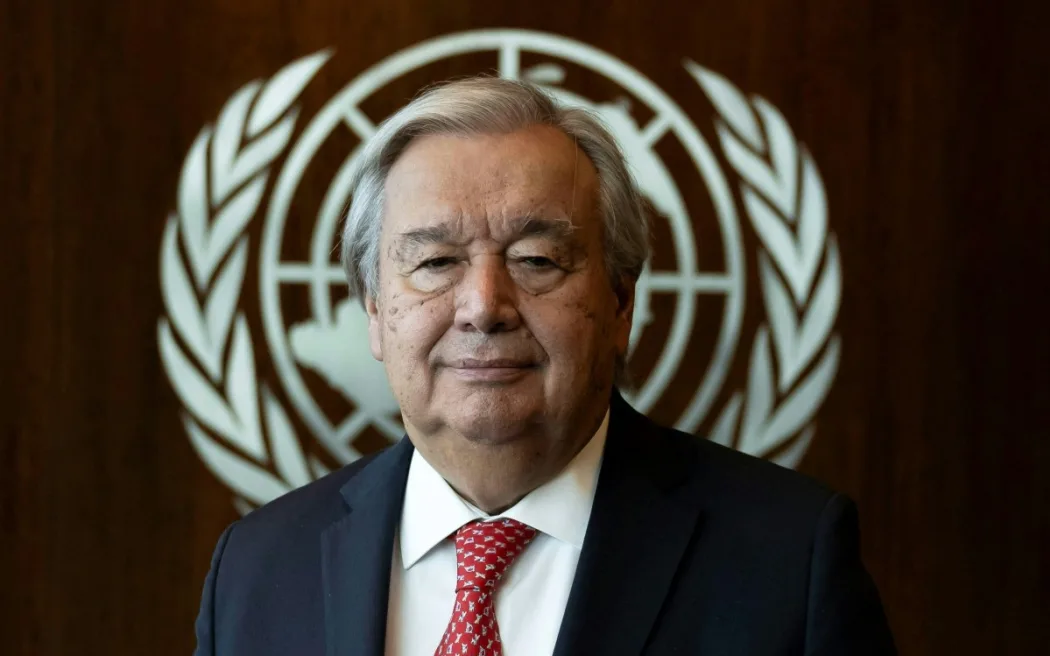
"The Sustainable Development Goals are not a dream. They are a plan to keep our promises to the most vulnerable people and to future generations."
António Guterres
United Nations Secretary-General
The Origins of the Sustainable Development Goals
The Sustainable Development Goals (SDGs) were born from decades of international cooperation aimed at balancing economic growth with environmental and social responsibility.
Following the success and shortfalls of the Millennium Development Goals (MDGs) (2000–2015), the UN 2030 Agenda for Sustainable Development emerged as the next step — a global framework for advancing inclusive prosperity.
At the 2012 Rio+20 Conference, member states agreed to create a new set of universal goals. Two years later, a UN Open Working Group proposed 17 Sustainable Development Goals with 169 measurable targets. In September 2015, all 193 UN member states adopted the framework, marking a historic shift toward an integrated vision of sustainable progress.
Global Progress and Persistent Challenges
At the midpoint to 2030, global assessments show uneven progress. Only about 17 percent of SDG targets are on track, while nearly half advance too slowly. Persistent poverty, food insecurity, and climate shocks continue to widen inequality.
Environmental degradation and biodiversity loss threaten SDGs 14 and 15, while conflict and weak governance slow SDG 16. According to the Sustainable Development Solutions Network, no country is on pace to achieve all 17 goals without a significant acceleration of effort.
These findings highlight the urgency of coordinated action and greater investment in sustainable finance, innovation, and policy reform.
The 17 Goals That Define Global Progress
Each of the 17 Sustainable Development Goals tackles an essential dimension of global well-being:
End poverty in all its forms everywhere
End hunger, achieve food security and improved nutrition and promote sustainable agriculture.
Ensure healthy lives and promote well-being for all at all ages.
Ensure inclusive and equitable quality education and promote lifelong learning opportunities for all.
Achieve gender equality and empower all women and girls.
Ensure availability and sustainable management of water and sanitation for all.
Ensure access to affordable, reliable, sustainable and modern energy for all.
Promote sustained, inclusive and sustainable economic growth, full and productive employment and decent work for all.
Build resilient infrastructure, promote inclusive and sustainable industrialization, and foster innovation.
Reduce inequality within and among countries.
Make cities and human settlements inclusive, safe, resilient, and sustainable.
Ensure sustainable consumption and production patterns.
Take urgent action to combat climate change and its impacts.
Conserve and sustainably use the oceans, seas, and marine resources for sustainable development.
Protect, restore, and promote sustainable use of terrestrial ecosystems, sustainably manage forests, combat desertification, and halt and reverse land degradation and halt biodiversity loss.
Promote peaceful and inclusive societies for sustainable development, provide access to justice for all and build effective, accountable, and inclusive institutions at all levels.
Strengthen the means of implementation and revitalize the global partnership for sustainable development.