The United States is intensifying economic pressure on Iran while keeping military force in reserve, signaling a new phase of the conflict centered on sanctions, maritime enforcement and selective strikes rather than sustained large-scale combat.
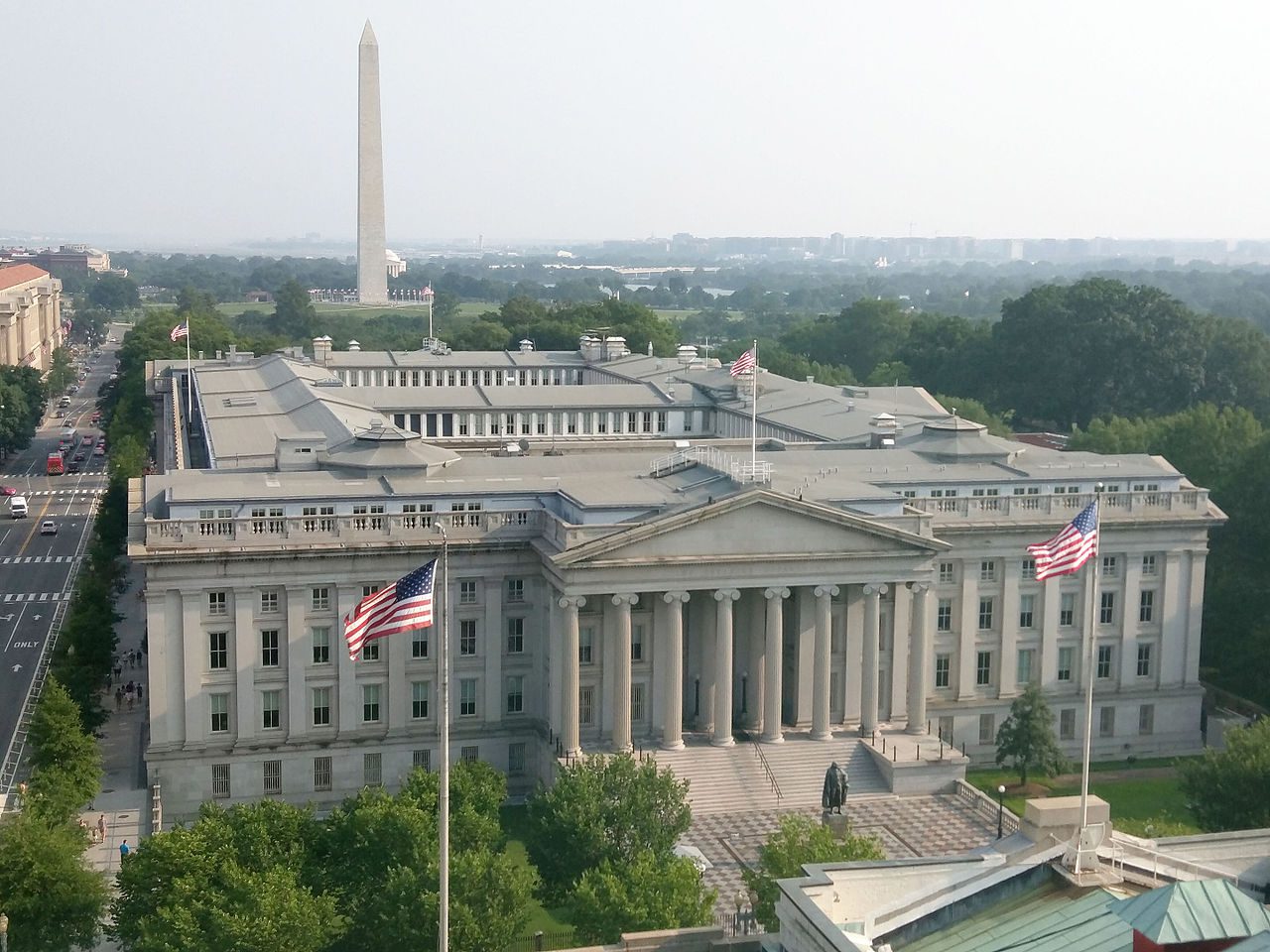
Secretary of State Marco Rubio has said the cost imposed on Iran would now be “primarily economic,” while Treasury Secretary Scott Bessent has signaled additional sanctions. AP described the emerging approach as a dual economic and military strategy intended to increase pressure on Tehran without immediately returning to earlier levels of combat.
For governments across the Gulf, the conflict is settling into an unstable middle ground: neither sustained full-scale war nor a durable settlement, but a contest increasingly shaped by economic endurance, Hormuz and escalation management.
Economic pressure intensifies
Iran is facing severe economic and export pressures, although the impact of new sanctions is difficult to separate from the effects of the blockade and wider conflict.
Reuters reported Iranian crude loadings at roughly 260,000 barrels per day this month, compared with about 1.7 million a year earlier. Inflation has also climbed above 69% as war, sanctions and currency restrictions compound longstanding economic strains.
Those pressures have not yet produced the concessions Washington is seeking.
The central question is whether economic deterioration can change Tehran’s negotiating position before the costs of sustaining the campaign begin creating greater economic and political pressure on Washington and its partners.
Hormuz remains the strategic center
The Strait of Hormuz continues to connect the military, economic and diplomatic dimensions of the conflict.
The Trump administration says U.S. forces have established control over the waterway, but commercial traffic remains far below prewar levels. AP reported 102 vessel transits last week, compared with 130 or more per day before the conflict. Reuters reported just four commodity vessels crossing on September 3.
That gap matters. Military sea control does not necessarily restore confidence among shipowners, insurers and energy companies.
The disruption gives Tehran bargaining power, but also restricts Iran’s own economy. The Financial Times reported that Tehran continues to link concessions over Hormuz to sanctions relief, while Washington is seeking a broader agreement covering maritime security and Iran’s nuclear program.
The dispute has become a sequencing problem: Washington wants reduced threats to shipping before offering significant relief, while Tehran is reluctant to surrender leverage before sanctions are eased.
Escalation risks remain high
The shift toward economic pressure has not removed the military dimension.
Renewed U.S. strikes this week ended a roughly month-long lull in direct exchanges. Iran responded with missile and drone attacks against U.S.-linked and regional targets, including in Kuwait and Bahrain.
Vice President JD Vance said major combat operations have largely ceased, but Washington would continue acting while Iran threatens commercial shipping. Reuters reported that the United States still has more than 50,000 military personnel and nearly 20 warships deployed across the region.
That posture leaves both deterrence and escalation firmly in play.
A battle of endurance
International Crisis Group analyst Hamidreza Azizi described the confrontation as a “battle of endurance,” with Washington combining military pressure, maritime enforcement and sanctions because no single instrument has yet changed Tehran’s position.
Iran’s challenge is increasingly economic. Washington, meanwhile, faces growing domestic political and economic pressure.
Reuters reported that some senior White House officials favor keeping military operations relatively contained before the November 3 midterm elections, though no formal decision has been made to defer broader escalation.
The economic consequences are also widening. The Financial Times reported U.S. diesel prices at a record $5.85 per gallon, while Brent crude remains in the mid-to-high $90s.
What governments should watch
Three indicators matter most.
Hormuz traffic: A sustained rebound would suggest improving commercial confidence. Continued disruption would show that insecurity around the strait remains a major source of Iranian leverage.
The reach of U.S. sanctions: The key question is how aggressively Washington pressures third-country buyers and intermediaries, particularly those linked to China.
The tempo of retaliation: The greatest near-term danger remains a strike that causes sufficient casualties or economic disruption to trigger a substantially larger response.
For now, the conflict is best understood as two competing coercive strategies.
Washington is using sanctions, maritime pressure and selective force to change Iranian behavior. Tehran is using its remaining military capabilities and pressure around Hormuz to preserve bargaining leverage.
Neither approach has yet produced a durable political settlement.
 Follow SDG News on LinkedIn