A Prize for Courage and Conviction
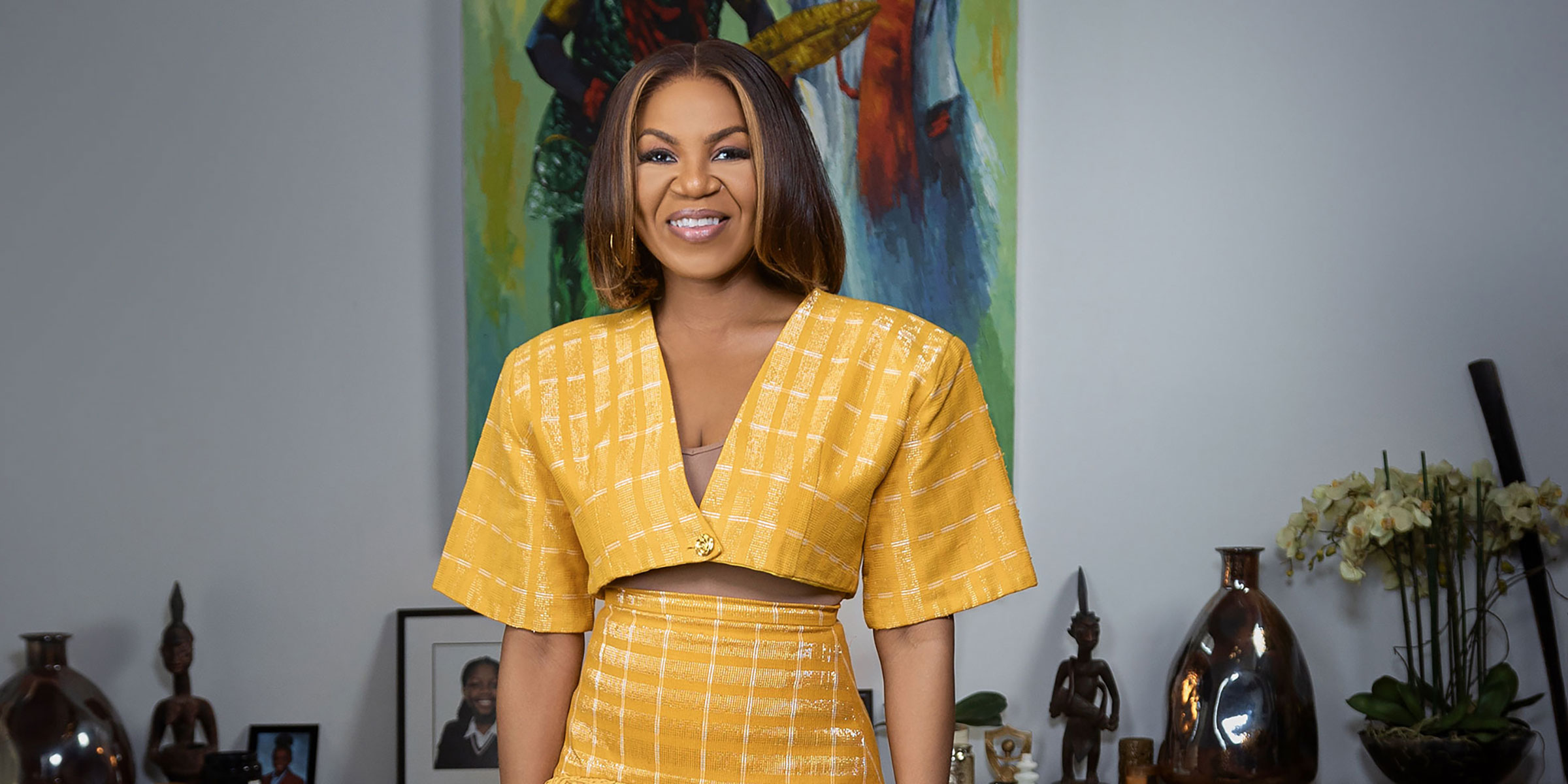
In Oslo, the announcement drew a murmur of both surprise and inevitability. María Corina Machado, the Venezuelan opposition leader who for decades has challenged one of Latin America’s most entrenched regimes, was named the 2025 Nobel Peace Prize laureate. For many, it was the long-delayed recognition of a woman who refused to yield to fear, exile, or silence.
The Nobel Committee praised her “tireless work promoting democratic rights for the people of Venezuela and her struggle to achieve a just and peaceful transition from dictatorship to democracy.” The words carried particular weight in a country where dissent has often come at the cost of liberty, and where political change has felt like a mirage for a generation.
Defiance in the Face of Repression
María Corina Machado’s journey has been one of endurance against overwhelming odds. A former lawmaker, she emerged as one of the most articulate critics of the late Hugo Chávez and his successor, Nicolás Maduro. Her calls for nonviolent resistance and free elections made her a symbol of hope to millions of Venezuelans who have fled poverty and repression. Yet it also made her a target.
She was disqualified from running for president, stripped of her political rights, and forced into hiding. Her image, broadcast from safe houses and clandestine meetings, became an emblem of the quiet bravery sustaining Venezuela’s pro-democracy movement.
A Nation’s Struggle, a Global Stage
Her return to public view earlier this year, following months in hiding, electrified supporters and drew renewed global attention. Within days of reappearing, she was briefly detained and then released, a reminder of the peril that still defines her political life.
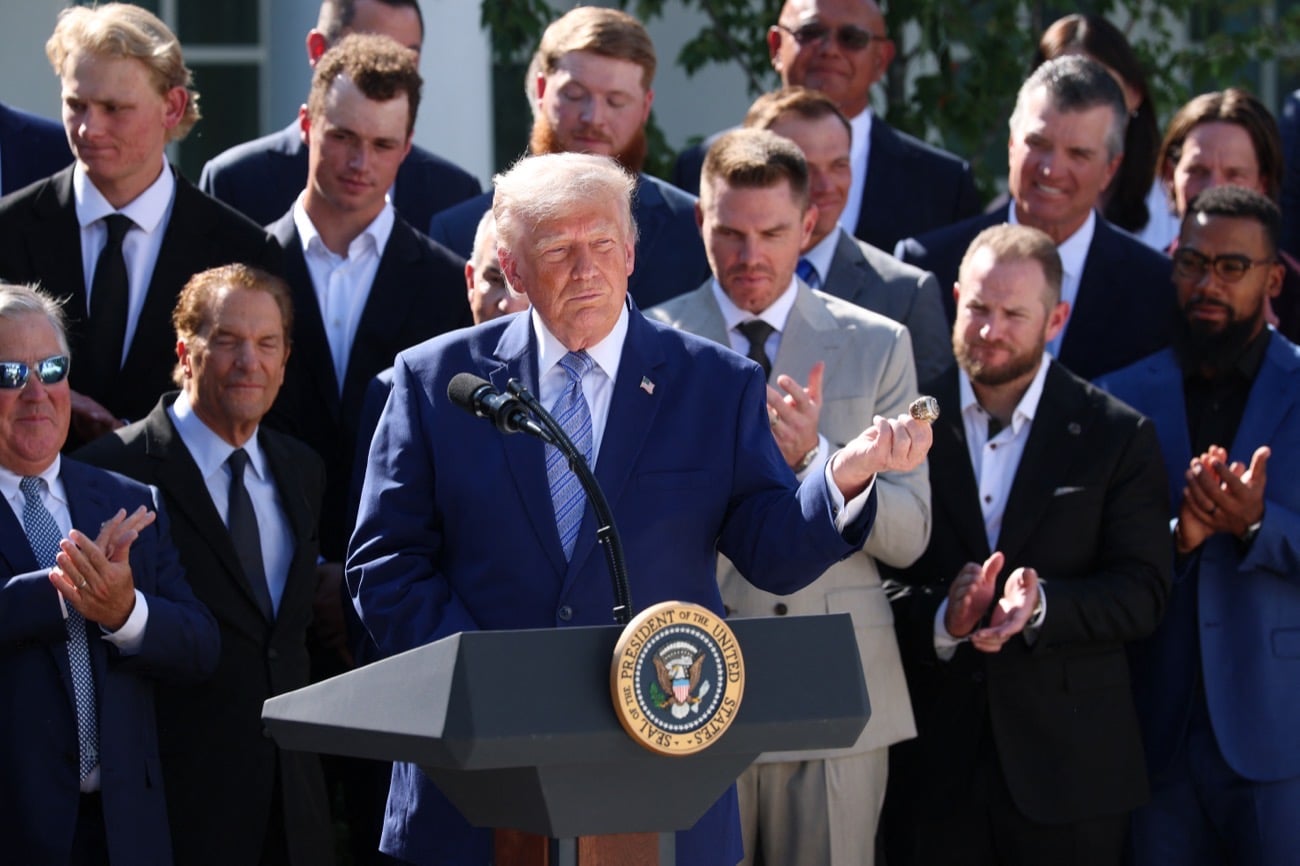
In her Nobel acceptance speech, Machado dedicated the prize to the Venezuelan people, describing them as “a nation that has suffered profoundly yet refuses to surrender its dignity.” She also thanked former U.S. President Donald Trump for what she called his “decisive support,” a gesture that added a sharp political undertone to an already delicate moment.
The reaction to her win was as polarized as her country’s politics. Admirers hailed her as a champion of democracy and an embodiment of peaceful defiance. Critics accused the Nobel Committee of politicizing the prize and rewarding confrontation over consensus. The White House offered a measured statement, recognizing her courage while cautioning that the award should not be interpreted as a partisan endorsement. Across Latin America, however, many leaders saw it as a vindication of those who continue to resist autocracy at great personal risk.
Venezuela’s Fragile Hope
For Venezuela, the honor arrives at a fragile juncture. The economy remains shattered, public institutions are hollowed out, and more than seven million citizens have fled in one of the largest migrations in modern history. While the Nobel Prize cannot mend these wounds, it has shifted international attention back toward a nation too often regarded as beyond saving. It has also emboldened Venezuelans who, after years of despair, now speak again of the possibility of renewal.
The global significance of María Corina Machados recognition extends beyond her country’s borders. It is a reminder that the fight for democracy is inseparable from the pursuit of peace. Her leadership speaks to the Sustainable Development Goals’ core premise that lasting stability depends on just institutions, equal rights, and accountable governance. By awarding her the Peace Prize, the Nobel Committee implicitly affirmed that peace without freedom is a fragile illusion.
The Road Ahead
What comes next remains uncertain. María Corina Machado’s challenge will be to translate moral victory into political progress, to turn a moment of international acclaim into a pathway for national reconciliation. Yet in the eyes of her supporters, the message is already clear. Even when silenced, imprisoned, or forced underground, the idea she represents has endured. And now, the world has heard her name.
Related Content: Lord Fatafehi Fakafānua: A Tongan Statesman Shaping the Future of Global Leadership
 Follow SDG News on LinkedIn