The thick Amazon air hung heavy over Belém as delegates filed back into COP30’s cavernous halls for the summit’s final—and most consequential—stretch. Before negotiations resumed, a video appearance by Pope Leo set a sharper tone than any procedural gavel could. His message was direct: governments are not moving fast enough, and the climate crisis is outpacing politics.
“The creation is crying out in floods, droughts, storms and relentless heat,” he warned, adding that “it is not the Agreement that is failing, we are failing in our response.”
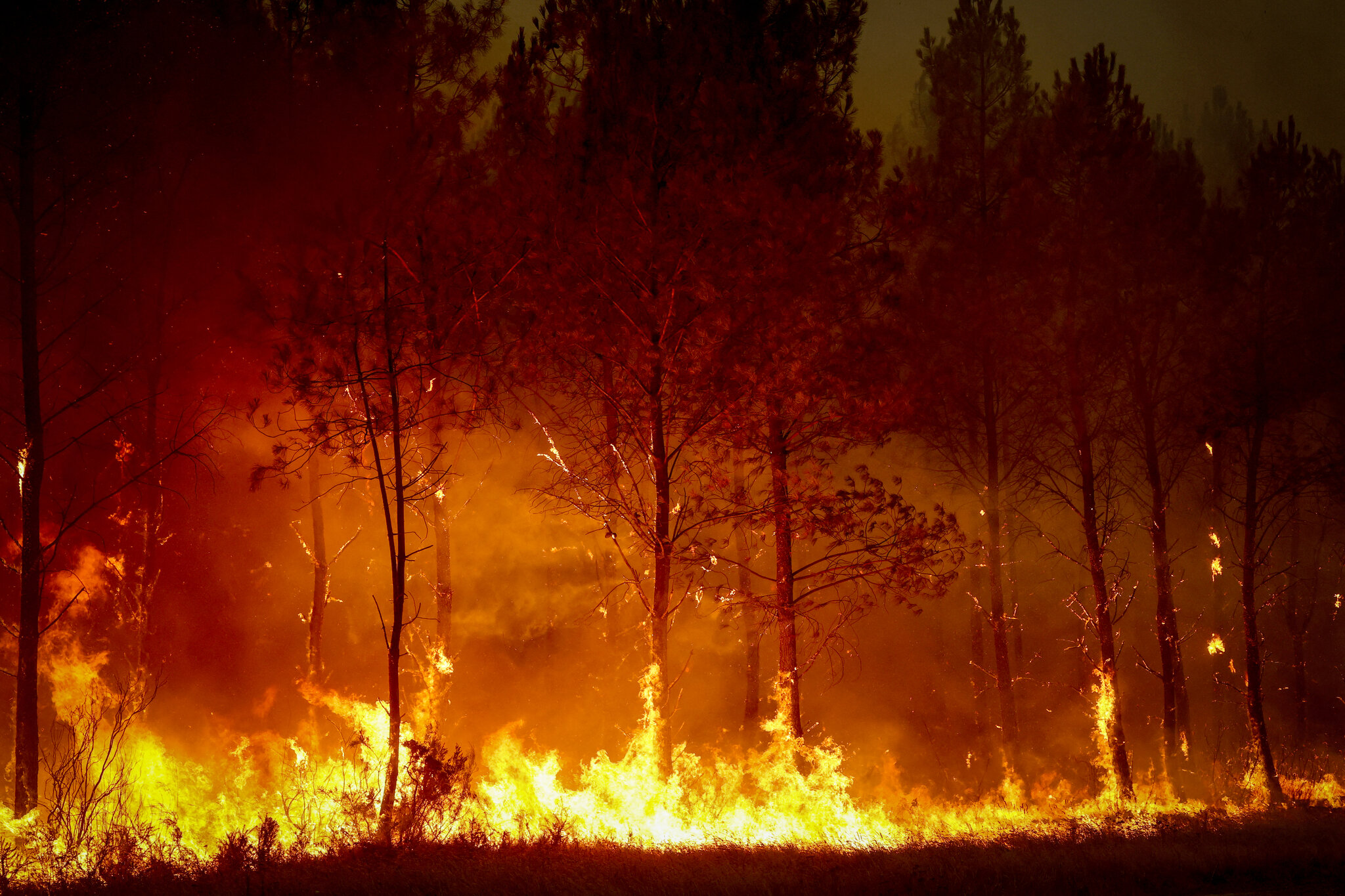
With the fate of this year’s negotiations now in the balance, the Pope’s intervention reframed the final week as a test not of technical skill but of political resolve. The world is on course to overshoot the Paris temperature threshold, scientists say, and the gap between ambition and action is widening.
COP30 President André Corrêa do Lago urged countries to attempt early resolution of the thorniest files by Wednesday—a rare ambition for a COP, where overtime has become a norm.
“It’s super difficult,” he conceded, “but it’s worth the try.”
A critical week for the Paris Agreement
The stakes in Belém reflect a decade of mounting pressure. The 2015 Paris Agreement committed countries to limit warming to well below 2°C, yet greenhouse gas emissions continue to rise. For many delegates, the question this week is whether the multilateral system can still deliver credible action at the speed required.
UN climate chief Simon Stiell pushed that point forcefully: “The time for performative diplomacy has now passed. Now is the time to roll up our sleeves, come together and get the job done.”
His message was echoed by President Luiz Inácio Lula da Silva, who called COP30 “the COP of truth” and urged countries to fight climate denialism and “take the scientific warnings seriously.”
The central tension is clear: countries are expected to demonstrate that Paris is still viable, even as its implementation gaps grow increasingly difficult to ignore.
A shifting geopolitical landscape shapes the talks
One of the defining dynamics of COP30’s final week is a reshuffled balance of influence. With the United States absent, and the European Union constrained by weakening domestic support, China, India and other major developing nations have stepped into more assertive roles. This shift is visible in negotiating rooms and informal huddles alike, where developing countries are pushing for stronger finance assurances and more equitable global action.
Danish climate minister Lars Aagaard insisted the EU remains committed to leadership, but acknowledged that “it is still early in the negotiations.” The bloc faces pressure to strengthen its financing plans while keeping coalition politics intact.
Meanwhile, several issues—including fossil fuel transition, climate finance, and unilateral trade measures—were deliberately kept off the formal agenda to avoid derailment. Negotiators must resolve them anyway, through parallel tracks and political guidance.
The finance fault line
Finance is expected to dominate the hardest debates of the week. A coalition of developing countries is pressing for a clear, accountable schedule to deliver the 300 billion dollars per year by 2035 agreed at COP29. With the United States’ past shortfalls looming large, reliability is now as central as scale.
“It is a must-have to be able to talk about how we close the gap going forward,” said Norway’s climate minister Andreas Bjelland Eriksen, underscoring the importance of finance predictability.
The reliability concerns have practical consequences. Indonesia’s plan to retire 6.7 GW of coal by 2030 under its Just Energy Transition Partnership is now at risk due to stalled funding from developed countries.
“If there is no one really willing to jump in to finance the coal phase-out,” warned Paul Butarbutar, “then we will have to think about whether phase-out is actually the best option.”
Mixed signals on ambition
Some countries have moved to elevate ambition. Denmark announced a binding target to cut emissions by at least 82 percent by 2035—a benchmark Aagaard called “the highest, most ambitious number of any country in the developed world.” South Korea, which operates one of the world’s largest coal fleets, said it will stop building new coal plants and retire nearly two-thirds of existing ones by 2040.
Yet these moves are overshadowed by the overall trajectory: global emissions reductions remain insufficient, and the Paris temperature guardrail is slipping further away.
Week one delivered momentum—but not clarity
Despite political tensions, the first week of COP30 produced substantive outcomes. Ten countries endorsed the Declaration on Information Integrity on Climate Change, committing to address misinformation and strengthen evidence-based climate communication. Digital governance received a boost with the launch of the Green Digital Action Hub and the AI Climate Institute, aimed at giving developing nations better tools to design and evaluate climate solutions.
Forests took center stage through the Tropical Forest Forever Facility, bringing new commitments for tropical forest protection and Indigenous rights. And health emerged as a prominent agenda item: the Belém Health Action Plan secured 80 endorsements from countries and partners, alongside 300 million dollars in pledged support for climate-resilient health systems.
As COP30 moves into its final days, Pope Leo’s call for moral clarity has fused with growing diplomatic pressure. With Lula set to arrive in Belém midweek to help broker consensus, countries now face a decisive choice: deliver credible pathways on finance, fossil transitions and resilience—or risk defining this summit by what the world failed to do.
RELATED STORIES:
- A New Papal Voice for the Planet
- The Power Players of COP30 and the Future They’re Negotiating
- From Panama to the Papacy: TIME100 Climate 2025 Honors Global Climate Leadership
- Philippines Secures $500M for Coal Transition to Renewable Energy
- Statement on Climate Information Integrity in Digital Advertising Launched at COP30
 Follow SDG News on LinkedIn