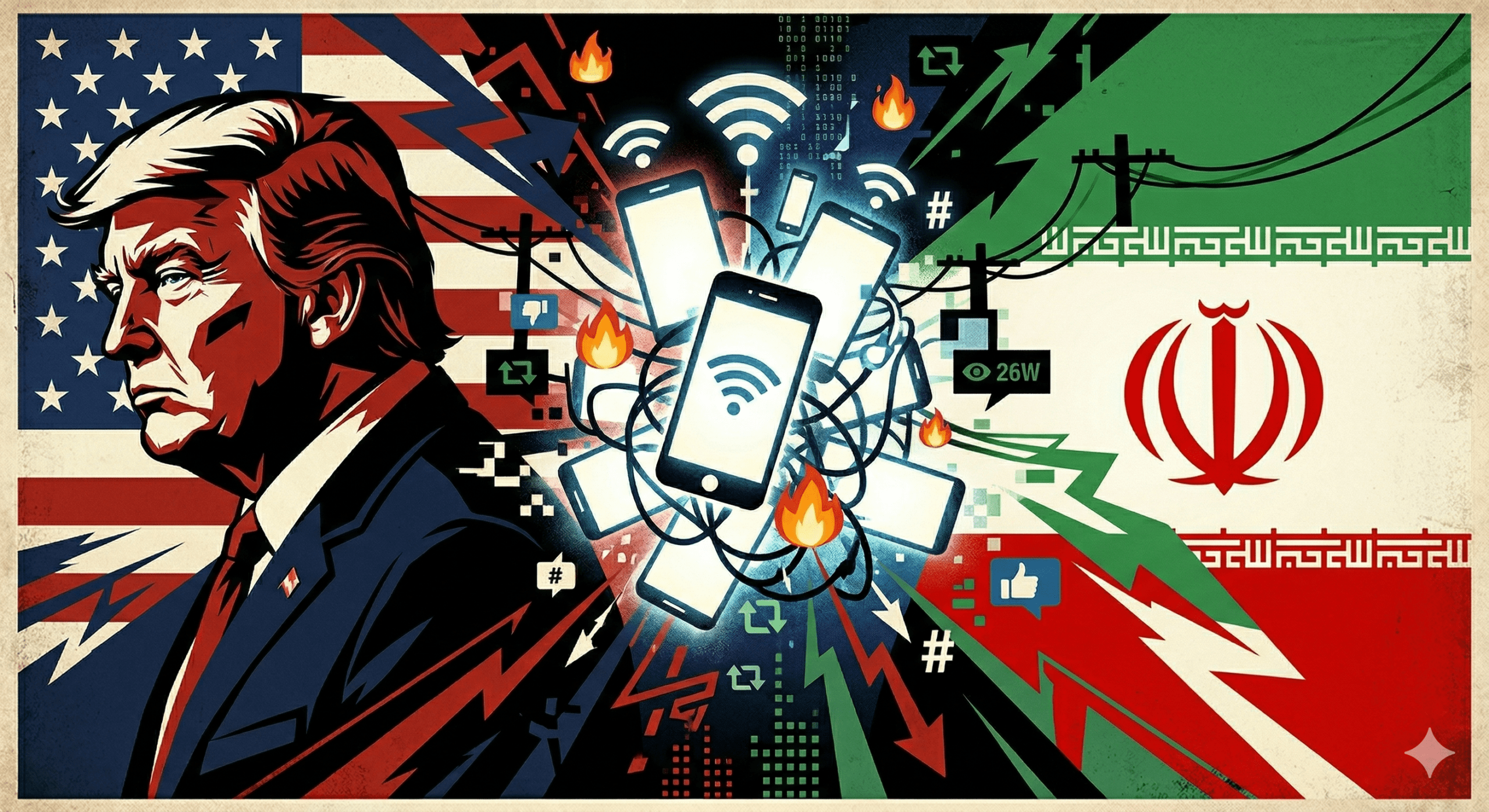
LONDON — The war in Iran is beginning to redraw the global financial map. Not with a market crash or a banking crisis, but with something quieter and potentially more transformative: the retreat of Gulf sovereign wealth capital from the world.
For decades, the sovereign wealth funds of the Gulf have been among the most influential forces in global finance. From London and New York to emerging markets across Africa and Asia, their capital has fueled infrastructure, stabilized markets, and underwritten some of the world’s most ambitious investments.
Now, that capital is being called home.
The Strategic Pullback
The pressures driving this shift are immediate and unavoidable. The disruption of energy exports through the Strait of Hormuz, combined with rising defense expenditures and domestic economic demands, is forcing Gulf governments to reprioritize.
Sovereign wealth funds—long designed to deploy capital globally—are increasingly being used as instruments of national resilience.
This is not a marginal adjustment. It is a structural shift.
When Gulf capital retrenches, it does not simply leave a gap in one market. It removes a stabilizing force from the global system.
The Hidden Backbone of Global Investment
Gulf sovereign wealth funds have played a unique role in the global economy. Unlike private capital, they are patient, countercyclical, and politically aligned with long-term national strategies. In times of uncertainty, they have often stepped in when others stepped back.
They have anchored major IPOs. Backstopped real estate markets. Financed infrastructure in developing economies. Provided liquidity during periods of volatility.
Their withdrawal—or even partial reallocation—reverberates globally.
Emerging markets, in particular, could feel the strain. Many have relied on Gulf investment to fund energy transitions, climate resilience, and large-scale development projects aligned with the Sustainable Development Goals.
If that capital slows, so too could progress.
A Shift Toward Financial Nationalism
What is unfolding is part of a broader realignment already taking shape across the global economy. Governments and institutional investors are increasingly prioritizing domestic investment over international exposure.
The Iran war is accelerating that trend.
Capital is no longer behaving as a purely global commodity. It is becoming strategic—tied to national security, economic sovereignty, and geopolitical positioning.
In this emerging landscape, sovereign wealth funds are not just investors. They are instruments of statecraft.
The Global Consequences
The implications are far-reaching.
A sustained pullback of Gulf capital could tighten liquidity in global markets, particularly in sectors that depend on long-term investment such as infrastructure, real estate, and energy. It could increase competition for capital among nations, driving up costs and reshaping investment flows.
It could also deepen divides between countries with access to domestic capital and those reliant on foreign investment.
For advanced economies, the challenge will be to remain attractive in a more selective and politically sensitive investment environment.
For developing nations, the stakes are higher. The retreat of patient, large-scale capital risks slowing critical investments in resilience, sustainability, and economic growth.
A New Logic of Capital
For decades, globalization operated on a simple premise: capital flows to opportunity.
That premise is now being rewritten.
In a world shaped by conflict, climate pressures, and geopolitical fragmentation, capital is flowing toward security, stability, and strategic alignment.
The Gulf’s sovereign wealth funds are among the first to visibly adjust. They will not be the last.
What began as a regional war is becoming a global financial inflection point—one that is reshaping not just where capital goes, but why it moves at all.
And in that shift lies the outline of a new economic order.
RELATED STORIES:
- Iran War Shakes Gulf Economic Giants as UAE, Saudi Arabia, and Qatar Confront a New Reality
- Texas Anti ESG Law Is Struck Down after Wall Street Reframes Its Strategic Pullback
- War’s Silent Casualty: Iran Oil Strikes Trigger Toxic Fallout for Cities, Seas, and the Climate
- Europe’s Hidden Hand in the Iran War
- Norway’s Sovereign Wealth Fund Expands Global Energy Strategy With Major North American Renewables Investment
 Follow SDG News on LinkedIn